1, November 2018
Southern Cameroonians: ‘You Are Either With Biya, Or With the IG and the Federal Republic of Ambazonia’ 0
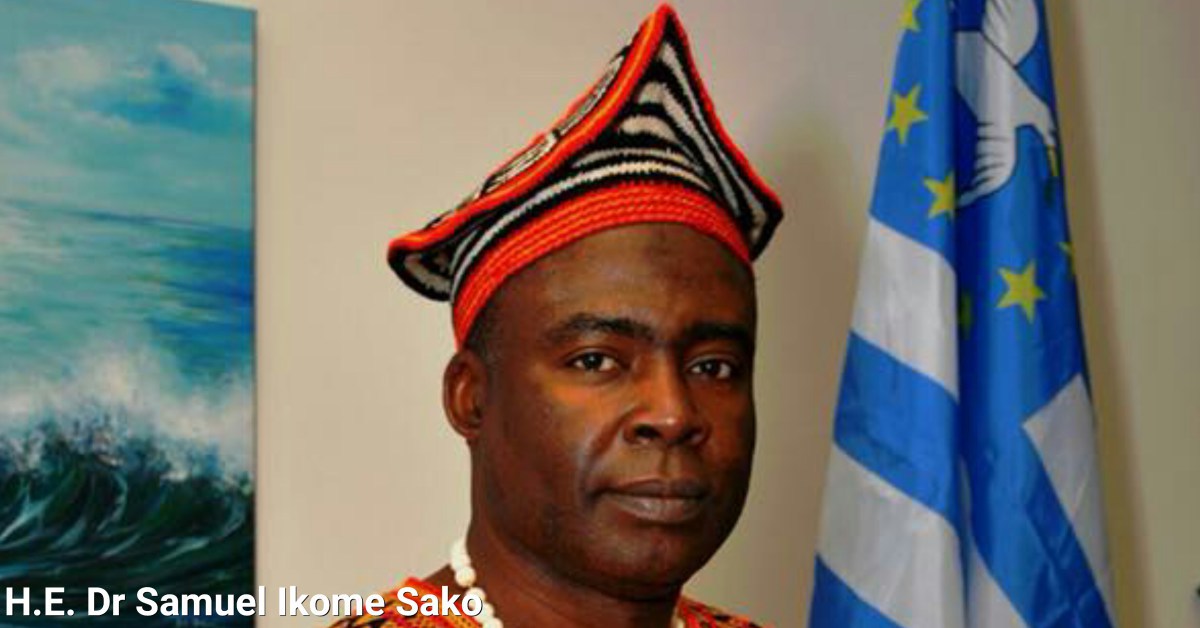
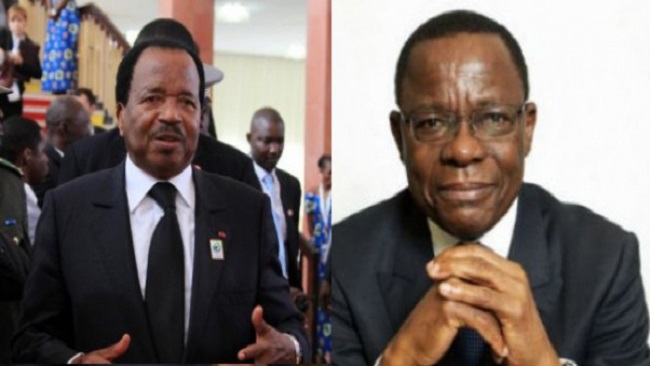
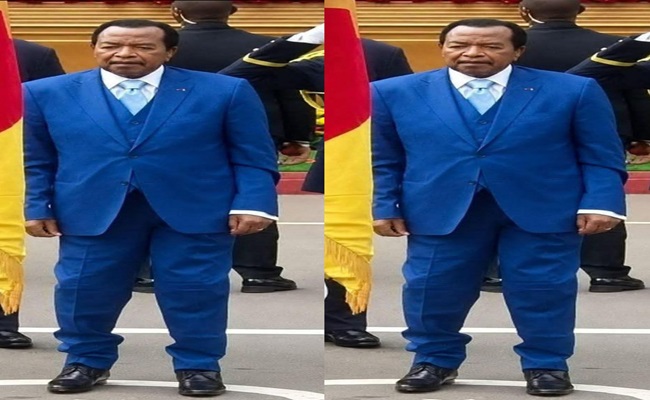
Southern Cameroons Acting President Dr Samuel Ikome Sako is expected to address the Ambazonian nation on the happenings in neighboring French Cameroun and the first appearance of the Ambazonian leader Sisiku Ayuk Julius Tabe in a military tribunal in Yaoundé. People in the know have hinted Cameroon Intelligence Report that Dr Sako will vow to use every resource available to defeat French Cameroun terrorism. The Ambazonian Acting President will also issue an ultimatum to French Cameroun ailing leader Paul Biya to release Sisiku Ayuk Tabe and his aides or face severe consequences.
Reliable information from the Ambazonian Interim Government that filtered to the Cameroon Concord News Group indicated that Dr. Sako’s words will be very blunt and the leader will make public an evaluation of the county-by-county self defense efforts of the Southern Cameroons restoration forces and he will urge Southern Cameroonians to be patient and strong.
“Acting President Sako will be speaking to two audiences: one domestic and the other foreign” noted our senior political man Soter Tarh Agbaw-Ebai. In a firm voice, Dr Sako will address French Cameroun political leaders and Southern Cameroonians including West Cameroonians still serving in the Yaoundé regime.
The leader of the Ambazonian Interim Government will also call on the US government to deliver justice to French Cameroun political and military leaders over the killing of an American missionary in Southern Cameroons. Millions of Southern Cameroonians have offered support to the struggle both at home and abroad but Acting President Sako was quoted as saying recently that “Ambazonians face a choice either you are with Biya and French Cameroun, or you are with the IG and the Federal Republic of Ambazonia.”
The Ambazonian Acting President has been talking to international opinion leaders recently including Prof PLO Lumumba.
By Asu Vera Eyere
Now that you are here
The Cameroon Concord News Group Board wishes to inform its faithful readers that for more than a decade, it has been providing world-class reports of the situation in Southern Cameroons. The Board has been priding itself on its reports which have helped the world to gain a greater understanding of the crisis playing out in Southern Cameroons. It hails its reporters who have also helped the readers to have a broader perspective of the political situation in Cameroon.
The Board wishes to thank its readers who have continued to trust Southern Cameroon’s leading news platform. It is therefore using this opportunity to state that its reporters are willing to provide more quality information to the readers. However, due to the changing global financial context, the Board is urging its readers to play a significant role in the financing of the news organization. It is therefore calling on its faithful readers to make whatever financial contribution they can to ensure they get the latest developments in their native Southern Cameroons, in particular, and Cameroon in general.
Bank transaction: Soter Tarh Agbaw-Ebai
Banking IBAN: GB51 BARC 2049 1103 9130 15
Swift BIC BARC GB22XX
SORT CODE 20-49-11, ACCOUNT NUMBER – 03913015 Barclay PLC, UK
The Board looks forward to hearing from the readers.
Signed by the Group Chairman on behalf of the Board of Directors
Soter Tarh Agbaw-Ebai
Email: soteragbawebai@gmail.com










2, November 2018
Charles Wesco Affair: Governor of Indiana says missionary shot and killed in front of wife and son 0
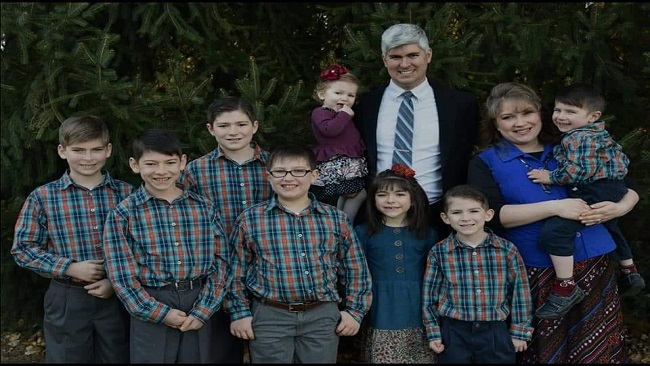
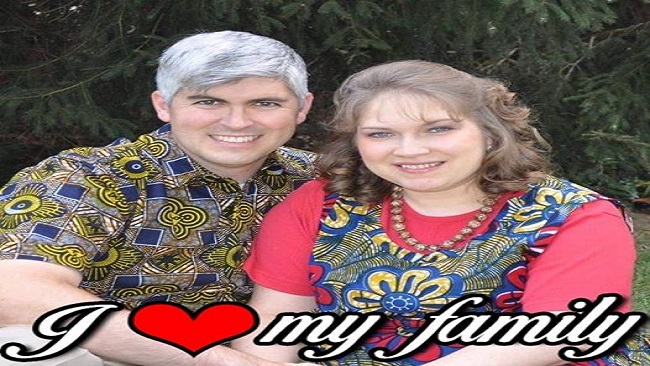
An American citizen was shot and killed in Cameroon on Tuesday, said Indiana Gov. Eric Holcomb and a church in the state. In a statement, the governor’s office said the victim, Charles Wesco, was working as a missionary in Cameroon. His brother, Timothy Wesco, serves in Indiana’s House of Representatives.
Dave Halyaman, assistant pastor at Believers Baptist Church in Warsaw, Ind., which sent Wesco and his family on its mission to Cameroon, told The Washington Post that the church “is grieving greatly the murder of Charles Wesco, but we are also trusting God that he has a purpose in all of this.” The congregation’s senior pastor is Wesco’s father-in-law, he said.
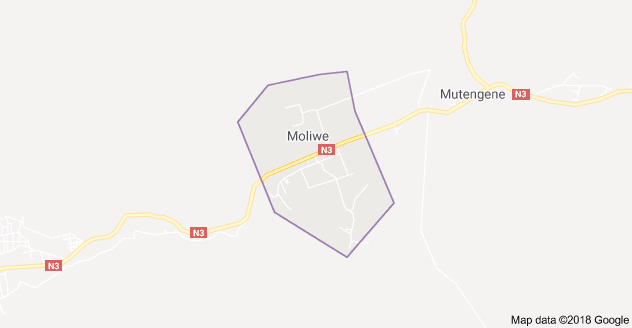
The family was living in a suburb of Bamenda, a major town in Cameroon’s northwest Anglophone region, Halyaman said.
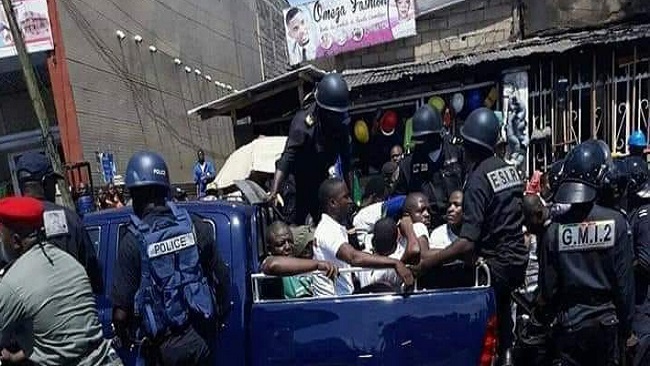
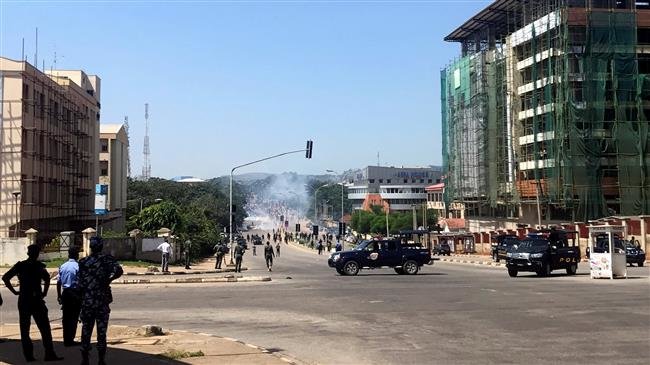
Unrest broke out in that region in late 2016 over complaints that the Anglophone community was being marginalized by Cameroon’s central government, which is largely controlled by French speakers. The country is bilingual, but Francophones have historically held more governmental power than English speakers. Security forces stifled peaceful protests in the Anglophone regions, and an armed separatist movement emerged. Around 400 civilians have been killed in violence in the country’s two Anglophone regions. Tens of thousands have fled the country as refugees and others are now internally displaced.
Halyaman said that Wesco, his wife and one of their sons were traveling with another missionary to go shopping on Tuesday morning when at least two shots were fired, striking the windshield and hitting Wesco twice. “He was unconscious,” Halyaman said, adding that Wesco was taken to a nearby clinic for treatment, then transferred to a hospital in Bamenda where “doctors attempted to resuscitate him but were unsuccessful.”
Halyaman described the area they were in as having “a lot of high weeds.” On social media, some placed the blame on government troops and others on armed separatists, but Halyaman said it was not immediately clear who shot at the vehicle.
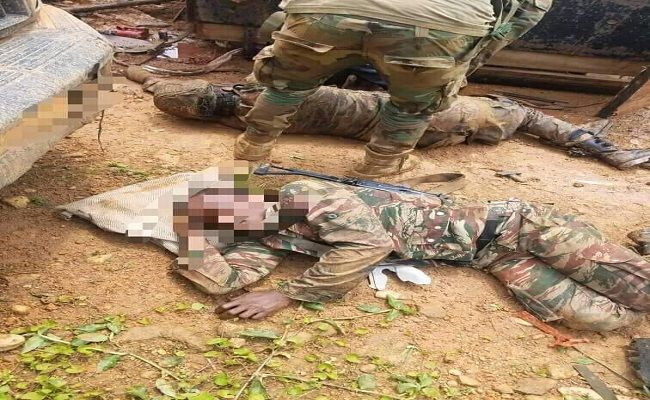
Cameroonian Defense Minister Joseph Beti Assomo released a statement saying that “a group of terrorists” shot at Wesco’s vehicle around nine miles from Bamenda, striking him in the temple. Security forces tracked the group, the statement said, then engaged in crossfire with them, killing four. A U.S. State Department official confirmed to The Post that an American citizen died in Bamenda on Tuesday but did not offer further details.
Doctors Without Borders, the international aid group that goes by the initials MSF, told The Post in an email that “an MSF ambulance transported the man” who died in Bamenda, and that he died at a hospital supported by the group.
The Wesco family’s website described a deep calling for mission work, which Charles and his wife, Stephanie, wrote intensified in 2014. They had arrived in Cameroon this month. “While this is a terrible tragedy and we want the perpetrators to face justice, we are trusting God that He is going to do something good through all of this, though we just really don’t know what it would be,” Halyaman told The Post. “There’s no telling why he was singled out and shot. There’s just no way to tell at this point.”
Culled from The Washington Post
Now that you are here
The Cameroon Concord News Group Board wishes to inform its faithful readers that for more than a decade, it has been providing world-class reports of the situation in Southern Cameroons. The Board has been priding itself on its reports which have helped the world to gain a greater understanding of the crisis playing out in Southern Cameroons. It hails its reporters who have also helped the readers to have a broader perspective of the political situation in Cameroon.
The Board wishes to thank its readers who have continued to trust Southern Cameroon’s leading news platform. It is therefore using this opportunity to state that its reporters are willing to provide more quality information to the readers. However, due to the changing global financial context, the Board is urging its readers to play a significant role in the financing of the news organization. It is therefore calling on its faithful readers to make whatever financial contribution they can to ensure they get the latest developments in their native Southern Cameroons, in particular, and Cameroon in general.
Bank transaction: Soter Tarh Agbaw-Ebai
Banking IBAN: GB51 BARC 2049 1103 9130 15
Swift BIC BARC GB22XX
SORT CODE 20-49-11, ACCOUNT NUMBER – 03913015 Barclay PLC, UK
The Board looks forward to hearing from the readers.
Signed by the Group Chairman on behalf of the Board of Directors
Soter Tarh Agbaw-Ebai
Email: soteragbawebai@gmail.com