Featured
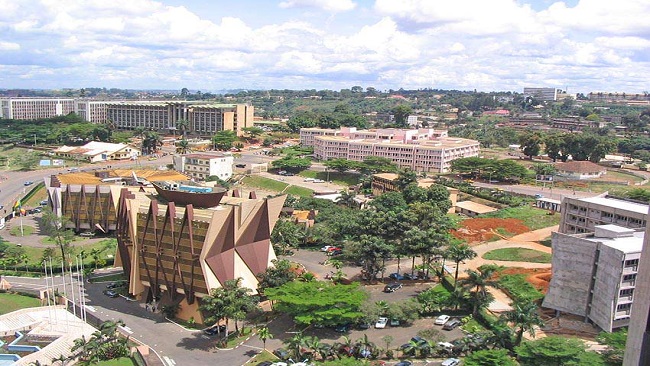 Concerns about public administration in Cameroon
  Hope Sona Ebai: iconic South West figure goes home to rest
  Ngarbuh massacre trial short on justice
  John Ashu Agboreyong: a man of God counting years and counting impact @60
 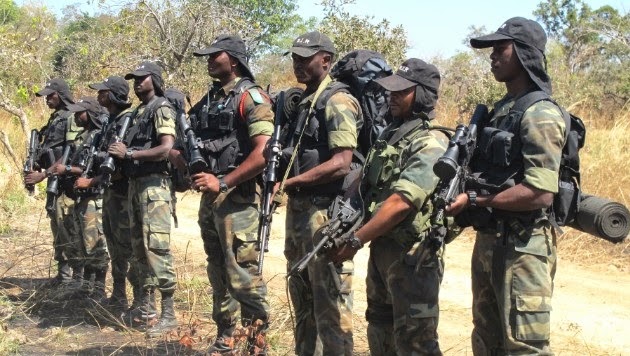 Ethnic armies and the democratization process in Cameroon: an impediment to democratic consolidation
Most Commented Posts
 4 Anglophone detainees killed in Yaounde
18 comments Chantal Biya says she will return to Cameroon if General Ivo Yenwo, Martin Belinga Eboutou and Ferdinand Ngoh Ngoh are sacked
13 comments The Anglophone Problem – When Facts don’t Lie
12 comments Anglophone Nationalism: Barrister Eyambe says “hidden plans are at work”
12 comments Largest wave of arrest by BIR in Bamenda
10 comments
Featured
-
North Korea unveils image of leader’s daughter firing pistol
-
Iranian minister says country will not play in World Cup
-

100 American soldiers wounded in Iran’s attack on Kuwait’s al-Udairi base
-

Football: triumphant return of the 2025 Ballon d’Or to Garoua
-

Francis Ngannou returns to MMA against Philipe Lins on Netflix
-
Manyu Solidarity Group: understanding its modus operandi
-
Biya regime secures $195 million loan to expand national fiber backbone
30, April 2021
Southern Cameroons Crisis: Catholic Bishops criticize violent campaign to quell independence movement 0
Several Catholic bishops in Cameroon’s English-speaking regions are sharply criticizing President Paul Biya’s violent, years long campaign to quell an independence movement in those regions. In recent NCR interviews, three prelates suggested that Biya’s government had initially underestimated the growing influence of those calling for the creation of a new, separate state and then responded with disproportionate force. Retired Archbishop Cornelius Fontem Esua, who led Cameroon’s Bamenda Archdiocese from 2006 to 2019, said Biya had erred drastically in late 2017 when he pledged to “eliminate” independence fighters. “Violence only begets violence,” Esua told NCR. “The moment the government started using live bullets on peaceful protesters, it was evident that things would simply go out of hand.”
Africa-Cameroon.jpg
Tobin_View_of_the_Cathedral CROP.jpg
Esua said none of these recommendations responds to the demands of Cameroon’s English speakers.
“The whole problem of Cameroon and the sociopolitical situation in the Northwest and Southwest regions is about the form of government. It’s about the two systems of education, it’s about the two systems of law, the two systems of administration. That was not part of the discussion,” the cleric told NCR.
He said he was frustrated that a “special status” for Anglophone regions should even come up as a recommendation, since it’s something already enshrined in the country’s 1996 Constitution.
“It’s not a question of a special status, because it’s not a gift they are giving to the Anglophones. The Anglophones have a right to organize themselves according to their customs and cultures as inherited from the British,” said Esua.
He also blasted the recommendation about hastening the decentralization process, noting that it was paradoxical that the government keeps the centralized structures in place and continues talking about decentralization.
“I’m afraid they are not giving the right solutions to the problem,” said the retired archbishop.
Culled from ncronline.org