12, May 2026
Yaoundé: EU envoy accuses Russia of using Cameroon- flagged vessels to evade oil sanctions 0
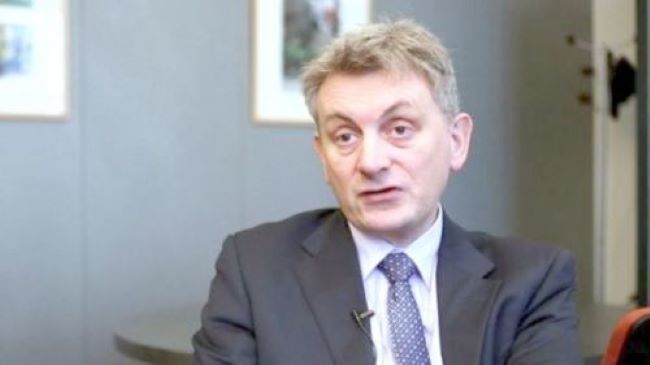
The European Union’s ambassador to Cameroon and Equatorial Guinea accused Russia on May 7 of using ships registered under Cameroon’s flag to help bypass Western sanctions tied to the war in Ukraine.
Speaking during Europe Day events in Yaoundé, Ambassador Jean-Marc Chataigner sharply criticized what he described as the misuse of Cameroon’s maritime registry by aging oil tankers operating outside international standards.
“Cameroon’s flag is being used illegally by too many uninsured, poorly maintained and aging tankers,” Chataigner said. “These ghost ships travel across the oceans without ever docking in Cameroon while helping finance attacks on Ukraine’s sovereignty.”
Although he did not mention Russia directly in that part of his speech, the comments clearly referred to Moscow, which he had discussed earlier.
Western governments have repeatedly accused Russia of relying on a so-called shadow fleet of oil tankers to bypass sanctions imposed on its energy exports since the start of the war in Ukraine.
Russian crude shipments remain under close scrutiny by Western countries, including when the vessels involved operate under foreign flags.
According to several observers, ships linked to Russian oil exports have registered under Cameroon’s flag in recent years. Cameroon is frequently cited internationally as a so-called flag-of-convenience country, where foreign-owned ships can register under less restrictive conditions.
The issue has reportedly led the European Union to increase pressure on Yaoundé to stop granting its flag to vessels suspected of helping Russia avoid Western sanctions.
Beyond maritime issues, Chataigner also addressed migration concerns and again accused Russia of exploiting vulnerable populations and weaknesses in international control systems.
“Those who wage war today do not hesitate to exploit the vulnerability of populations and weaknesses in oversight systems,” the ambassador said.
He then referred to Cameroonians who, according to him, leave for Russia after promises of better opportunities before later being recruited to fight in Ukraine.
“Some Cameroonians, tempted by risky adventures, leave for Russia with promises of a better future and later find themselves recruited and turned into cannon fodder in a conflict that is not theirs,” Chataigner said.
He referenced remarks previously made by President Paul Biya in February 2026 warning young people against pursuing dangerous opportunities abroad.
Chataigner concluded by contrasting those practices with what he described as a different vision of international cooperation.
He called for partnerships “that respect international law, national sovereignty and the aspirations of our peoples,” and said cooperation should rest on “trust, transparency and reciprocity.”
Source: Sbbc
























12, May 2026
Cameroonian filmmaker Bassek Ba Kobhio dies! 0
The Cameroonian film industry is in mourning following the death of Bassek Ba Kobhio, a respected director and cultural promoter who played a key role in shaping modern African cinema.
A filmmaker, producer and cultural advocate, he was widely regarded as one of the architects of modern cinema in Central Africa. Over the years, he built a reputation not only through his films but also through his commitment to creating platforms for African voices.
His works, including Sango Malo and Le Grand Blanc de Lambaréné, tackled themes such as education, colonial legacy and African identity, earning him recognition beyond Cameroon.
Beyond directing, he played a major role in structuring the industry, notably through the creation of the Écrans Noirs festival, which became a key meeting point for filmmakers across Africa and beyond.
His passing has triggered tributes from across the continent, with many describing him as a pioneer who helped shape how African stories are told and distributed.
Bassek Ba Kobhio was born in Cameroon and developed an early passion for cinema and storytelling at a time when African film industries were still emerging.
He pursued formal training in filmmaking abroad, notably in Europe, where he studied cinema and audiovisual production. This exposure helped shape his narrative style, which blends African realities with strong cinematic structure.
He began his career in the 1980s, working first in television and audiovisual production before moving into feature filmmaking. His breakthrough came with Sango Malo (1991), an adaptation of a literary work that explored tensions within the education system and society. The film remains one of the most referenced works in Cameroonian cinema.
In 1995, he founded the Écrans Noirs festival in Yaoundé, at a time when African films had very limited visibility. The initiative grew into one of the most important film festivals in Central Africa, helping to launch and promote numerous African filmmakers.
His film Le Grand Blanc de Lambaréné (1995) revisited the life of Albert Schweitzer from an African perspective, sparking debate and international attention for its critical take on colonial narratives.
Throughout his career, he held several cultural and institutional roles, contributing to policy discussions around cinema and culture in Cameroon and Africa. He was also involved in training and mentoring young filmmakers, pushing for a stronger, more structured film industry.
Bassek Ba Kobhio is remembered not only for his films, but for his vision one that insisted Africa must tell its own stories, on its own terms.
His death leaves a significant void, but his influence continues through the institutions he built and the generations he inspired.
Source: Lebledparle.com