Featured
 The Cameroonian army must put its conscience to the test
  Who really pushed for the return of the Vice President of the Republic?
  When politics fails a nation, football and the Church become the battleground
  Biya has had his era; Cameroon must now be allowed to enter its next one
 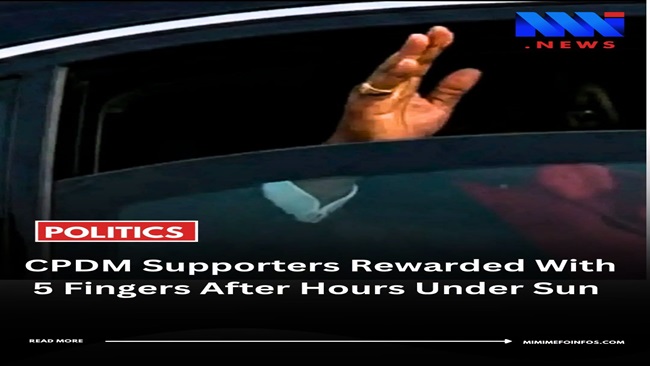 Biya’s hand: a source of glory and shame
Most Commented Posts
 4 Anglophone detainees killed in Yaounde
18 comments Chantal Biya says she will return to Cameroon if General Ivo Yenwo, Martin Belinga Eboutou and Ferdinand Ngoh Ngoh are sacked
13 comments The Anglophone Problem – When Facts don’t Lie
12 comments Anglophone Nationalism: Barrister Eyambe says “hidden plans are at work”
12 comments Largest wave of arrest by BIR in Bamenda
10 comments
Featured
-
Martinez Zogo Trial: questions over missing phone linked to Amougou Belinga
-

Revealed: Colonel Danwe admits ordering Martinez Zogo operation
-
Archbishop Nkea to battle decade of war with new peace Catechism
-

Southern Cameroons Crisis: 7 kidnapped by suspected Amba fighters in Bangourain
-
Southern Cameroons Crisis: 3 killed, 2 injured in bar shooting in Bamenda
-
US military nearing ‘breakdown’ amid sustained Iranian attacks
-
The Cameroonian army must put its conscience to the test
25, October 2018
Biya regime invites bids to build a new house for the president of the Constitutional Court 0
Cameroon has invited bids to build a new house for the president of the Constitutional Council, two days after the council announced the re-election of long-time president, Paul Biya.
The $475,000 (£370,000) mansion is in an upmarket neighbourhood of Yaoundé.
Last week, the body dismissed 18 opposition petitions against the running of the elections.
During the hearing, an opposition lawyer accused Judge Clement Atangana of supporting the president.
His wife is an MP for the ruling party but Justice Atangana denied any bias and said all his judgements were based on the law.
While the tender indicates that the building will be a public structure, given the timing, many Cameroonians view this as being specifically for Justice Atangana, reports the BBC’s Ngala Killian Chimtom in Yaoundé.
The BBC has approached both Justice Atangana and the government for comment, but neither have responded.
What happened in the election?
Mr Biya won a seventh term with 71.3% of the vote in the 7 October election.
He has been in power since 1982.
Opposition candidate Maurice Kamto, who came second with just 14% of the votes, continues to dispute the official results, alleging widespread fraud.
The election was also marred by violence especially in the two English-speaking provinces which have been hit by more than a year of violent protests and attacks by separatist rebels which have left hundreds dead.
Voter turnout in the country’s two Anglophone regions – North West and South West – was as low as 5%, according to the International Crisis Group.
Official figures recorded an almost 16% turnout in the South-West region.
The formation of the Constitutional Council was enshrined in the 1996 constitution, but its 11 members were only appointed, for a six-year renewable term, by Mr Biya in February.
The team’s first public function was adjudicating the results of the October presidential election.
Culled from the BBC