Featured
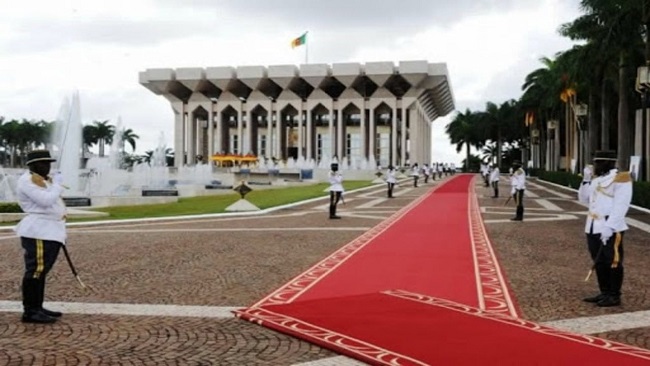 Unity Palace needs a new idea and a new head of state
  Martinez Zogo Affair: Biya must clean house and make way for a new generation
  Ambazonia People’s Liberation Authority explains motives for the new transition
  A year after Biya’s disputed re-election, CPDM remains without a timetable for next year’s polls.
 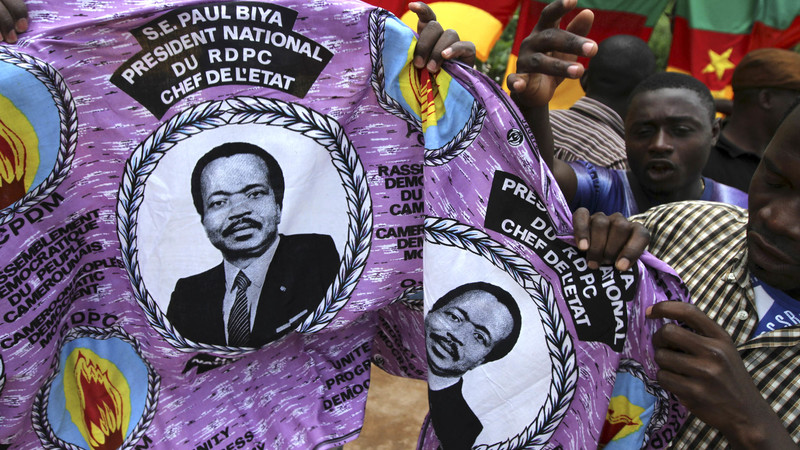 Ruling CPDM Party: When a political message runs out of the road
Most Commented Posts
 4 Anglophone detainees killed in Yaounde
18 comments Chantal Biya says she will return to Cameroon if General Ivo Yenwo, Martin Belinga Eboutou and Ferdinand Ngoh Ngoh are sacked
13 comments The Anglophone Problem – When Facts don’t Lie
12 comments Anglophone Nationalism: Barrister Eyambe says “hidden plans are at work”
12 comments Largest wave of arrest by BIR in Bamenda
10 comments
Featured
-

Cameroon’s sports betting tax revenue remains unclear
-

Revealed: 2 Franklin Templeton Funds hold CFAF 2 billion in Cameroon bonds
-

Brazil’s Lula beats odds and seals re-election, rival Bolsonaro demands annulment
-
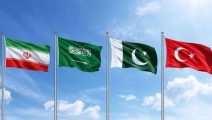
Top officials from Saudi Arabia, Pakistan, Turkey due in Iran for security talks
-

Unity Palace needs a new idea and a new head of state
-

Trump says US may launch ‘another little Epic Fury’ attack on Iran
-

Formula 1: Hamilton sets sights on racing in African grand prix
29, March 2026
Yaoundé eyes wind energy partnership with Canada to diversify power mix 0
Cameroon’s Minister of Water and Energy, Gaston Eloundou Essomba, met Canada’s High Commissioner to Cameroon, Marie-Claude Harvey, on March 17, 2026, to discuss strengthening bilateral cooperation, with a focus on investment in the energy sector.
A key issue in the talks was Cameroon’s need to diversify its energy mix, which remains heavily reliant on hydropower and exposed to climate variability. Wind energy was among the options discussed. The ministry said potential had been identified in the western region, notably in the Bamboutos Mountains, as well as along coastal areas, supported by recent technological advances.
A Long-Delayed Project
The focus on wind energy is not new. In 2015, following a cabinet meeting, the government announced plans for a 42 MW pilot wind farm in the same area, with capacity expandable to 80 MW. The project aimed to support a more diversified energy mix. It has since made little visible progress, but several indications suggest it has not been abandoned. According to sources, it remains in the study and land acquisition phase, pointing to a possible revival in the medium term.
At the same time, the government is working to improve the investment climate for renewable energy. In a circular signed on Feb. 12, 2026, Finance Minister Louis Paul Motaze listed equipment used for solar, wind and biomass energy production that would benefit from a 12-month exemption from customs duties and taxes. The measure aims to lower costs and accelerate deployment, particularly in rural areas where electricity access remains limited.
Limited Use of Renewables
Alternative renewable energy sources, excluding hydropower, currently account for less than 5% of Cameroon’s energy mix, despite significant potential. At the 2024 Forum on the Promotion of Renewable Energy, Eloundou Essomba set a target of raising their share to 25% by 2035, equivalent to around 1,500 MW of installed capacity.
In this context, Canada stands out as a strategic partner, with recognized expertise in wind energy, which accounts for a growing share of its electricity mix. Wind farms operate across several provinces, including Ontario, Quebec and Alberta, where conditions are particularly favorable.
These projects rely on turbines that convert wind into electricity and are typically located in high-wind areas close to grid infrastructure to facilitate transmission. Canada’s experience shows that wind power can diversify energy sources, reduce dependence on hydropower and fossil fuels, and strengthen electricity supply security—expertise Cameroon could leverage to advance its energy ambitions.
Source: Sbbc