Featured
 The role of the diaspora in Cameroon’s development efforts
 44 years of Biya: a nation held hostage by unanswered questions
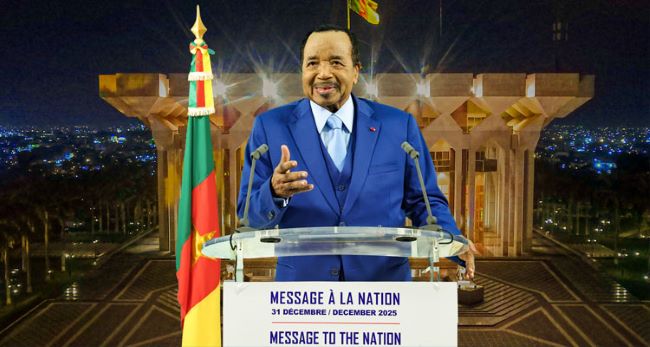 Parliamentary and Municipal Elections: Cameroon needs a new president not another election cycle
 Federal Republic of Ambazonia: APLA demands release of Sisiku Ayuk Tabe
 Biya, how long must Cameroon wait for a new director-general at SNH?
Most Commented Posts
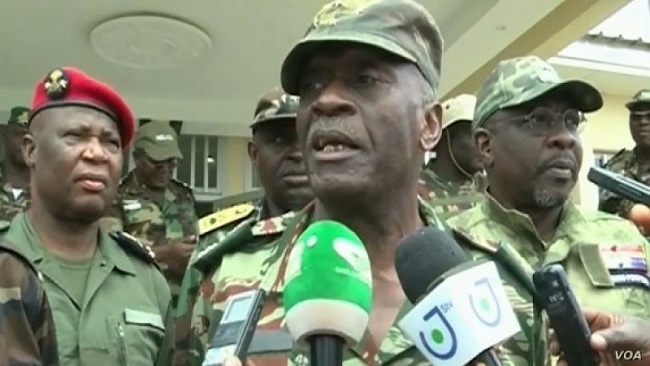 4 Anglophone detainees killed in Yaounde
18 comments Chantal Biya says she will return to Cameroon if General Ivo Yenwo, Martin Belinga Eboutou and Ferdinand Ngoh Ngoh are sacked
13 comments The Anglophone Problem – When Facts don’t Lie
12 comments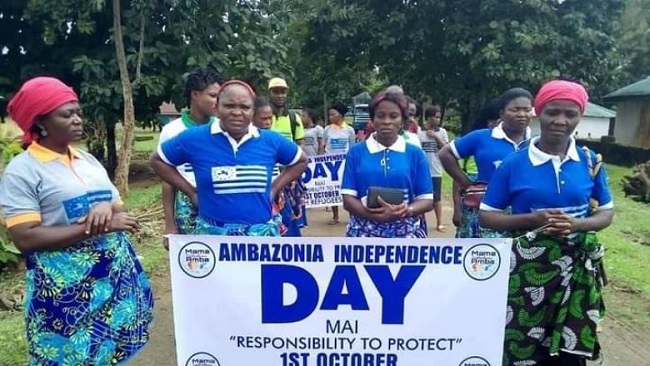 Anglophone Nationalism: Barrister Eyambe says “hidden plans are at work”
12 comments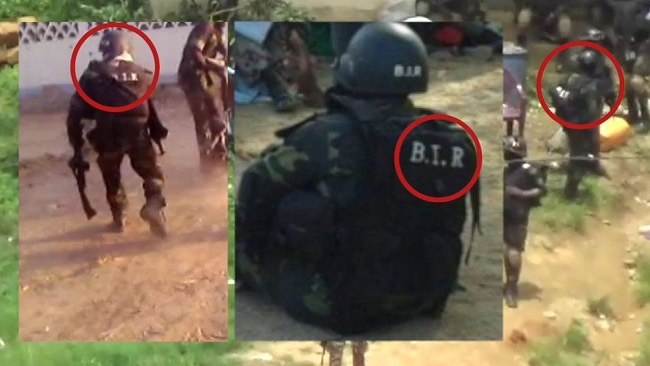 Largest wave of arrest by BIR in Bamenda
10 comments
Featured
-

French billionaire Pierre Castel nears sale of 82% stake in Cameroon sugar firm
-

Tehran will strike US bases in Europe if used to attack Iran
-

Yaoundé: Minister Hamadou Moustapha dies, aged 81
-
Cameroon faces worse power outages in 2027
-

US: Democrat Scott Colom is Mississippi first Black senator
-

CPDM Crime Syndicate: Supreme Court transfers MTN–Danpullo cases from Douala to South Region
-

Southern Cameroons Crisis: APLA announces one-day national lockdown
16, September 2018
African Development Bank releases new tool to assess resilience and fragility in countries 0
The African Development Bank (www.AfDB.org) has created and refined a new tool to diagnose fragility in countries, taking into account their capacities and pressures they may be under.
Called the Country Resilience and Fragility Assessment (CRFA), the tool offers a completely new method of assessing resilience and fragility using seven key criteria: political inclusiveness, safety and security, justice, the economy, social cohesion, the regional contagion effect, and climate change.
“The creation of the CRFA represents a significant advance in the assessment of fragility, which is a reality that it is not always easy to pin down or discern. By introducing, for the first time, the concepts of ‘capacities’ and ‘pressures’, this new tool brings much more rigour and effectiveness to the assessment of resilience and fragility, especially since it takes greater account of the national context,” explained Sibry Tapsoba, Director of the Transition States Coordination Office (RDTS) .
Simple, reliable and effective
Before its approval by the Bank Board on 11 September, the CRFA, was subjected to a range of checks for reliability and effectiveness, conducted under the supervision of the Transition States Coordination Office, with support from the Bank’s statistics and resource mobilization departments.
In addition to assessing resilience and fragility, the new tool should also be useful for advocacy and communication and improving and strengthening dialogue between the Bank and its regional members. It should also help to anticipate crises, thanks to an early warning system.
“What we have here is an assessment tool of unquestionable rigour. It is easy to use, it is reliable and it is accessible to all. It brings an undeniable added value to existing techniques for the assessment of resilience and fragility,” said Riadh Ben Messaoud, from the Bank’s Resource Mobilization department.
The creation of a new fragility and resilience assessment tool is an important contribution to research efforts for greater effectiveness in the Bank’s work.
The CRFA provides better insight into every dimension of fragility, including the less obvious, making it possible to offer the most appropriate responses in terms of building a country’s capacity and resilience.