

16, December 2020
Europe introduces tighter Covid-19 restrictions amid fears of Christmas surge 0
Several European countries on Wednesday imposed tighter coronavirus restrictions ahead of Christmas, as the United States reported another record number of new infections.
Hopes for an end to the pandemic were boosted by positive assessments of the Moderna Covid-19 vaccine, but a study warned that at least a fifth of the world’s population in poorer nations may not have access to vaccines until 2022.
With the virus resurgent in Europe, Germany closed non-essential shops and schools, swathes of England came under tighter curbs, and the Netherlands extended its restrictions.
“It’s very good that we’re closing the shops, it’s for our health. We can’t wait for things to fall apart,” said shopper Jurgen in Berlin, where people were rushing to finish their Christmas purchases before the shutdown.
Germany had coped relatively well with the first wave in the spring, but it has struggled to contain a resurgence in recent months and its health minister said it wanted the European Union to approve the Pfizer-BioNTech vaccine “before Christmas”.
Calls have been growing for the EU health regulator to speed up its vaccines decision process, with the bloc lagging behind a growing number of nations that have authorised the drug.
Britain has already started using it, but high infection numbers forced London on Wednesday to join large parts of central and northern England under tough, economically painful restrictions.
Pubs, bars, restaurants and other hospitality sites will close, apart from takeaways, as will theatres and other entertainment venues.
“The hospitality business needs this week, and it’s devastating. It is devastatingly awful,” said Lesley Lewis, owner of The French House, a London pub.
“But if this is what it takes to save lives, that’s what we have to do.”
The Netherlands, France and Turkey have also announced restrictions to be in force over the holiday season.
Upbeat Moderna assessment
Known worldwide infections are nearing 73 million, with more than 1.6 million deaths.
The United States remains the hardest-hit nation, setting a record for new daily infections on Tuesday with more than 248,000 cases.
The Washington National Cathedral rang its bells 300 times Tuesday in memory of the 300,000 people who have lost their lives to coronavirus in the United States.
The situation has become severe in California, where officials ordered thousands of extra body bags as Los Angeles was left with fewer than 100 available intensive care beds for a county of 10 million people.
The US has started using the Pfizer-BioNTech vaccine, and the Food and Drug Administration on Tuesday issued an upbeat briefing about the Moderna candidate too, ahead of a meeting of experts on whether to grant it emergency approval.
The regulator also approved the country’s first rapid at-home coronavirus test for Covid-19, which is available over-the-counter and produces a result in around 20 minutes.
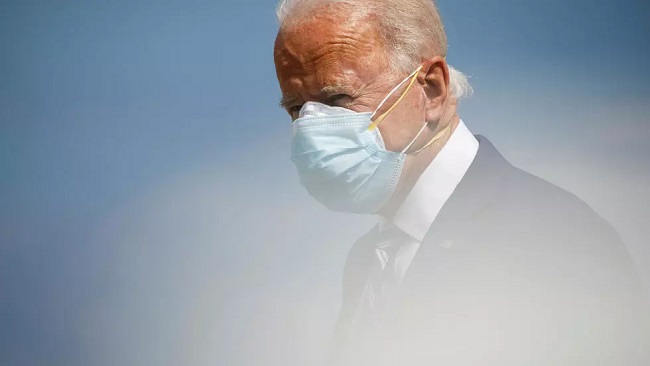
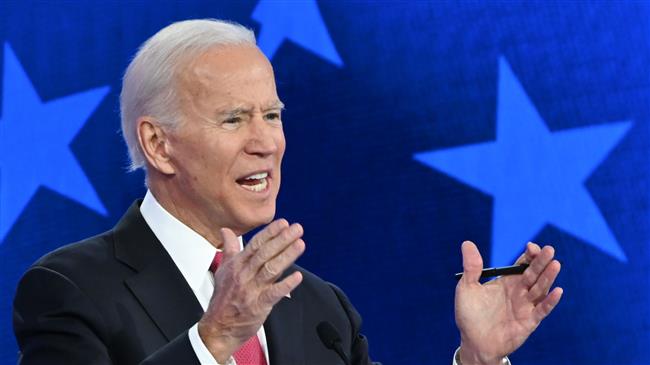
President-elect Joe Biden said Tuesday that he would be vaccinated in public.
Poorer nations left behind?
With wealthy nations reserving more than half of next year’s potential doses, there are fears the poorer parts of the world will be left behind.
Even if the drug makers all produce effective, safe vaccines and meet their maximum global manufacturing targets, a study published Wednesday by researchers from Johns Hopkins University warned that “at least a fifth of the world’s population would not have access” until 2022.
The World Health Organization has said it is in talks with Pfizer and Moderna about including their vaccines at affordable prices for poor countries.
The widespread deployment of vaccines is seen as crucial to reviving the global economy.
“I’ve been at home for the past eight months, there’s been no income coming in,” said Ashwin Pal, a dive operator in Fiji, where the lack of visitors has devastated the key tourism sector. “Life’s been pretty tough.”
Source: AFP





 Chief Ewule supported by his lawyer














16, December 2020
Southern Cameroons Crisis: Yaoundé condemns Amba Fighters for abducting village chiefs 0
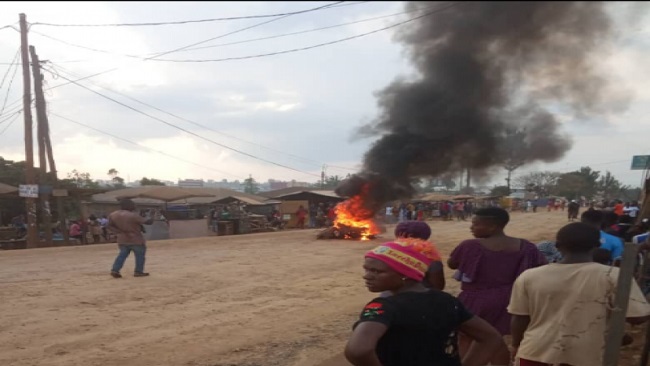
There has been widespread condemnation of separatists in Cameroon for a string of attacks and abductions of traditional village chiefs. Anglophone rebels released two chiefs on Monday but killed another for defying their demand not to participate in Cameroon’s December 6 regional elections.
Scores of Dibanda villagers, near southwestern Cameroon’s Buea town, are mourning their chief, whose body was found Sunday after he was abducted by rebels.
Cameroon authorities say Chief Emmanuel Ngalle Ikome was abducted on December 13 with two other village chiefs – they were freed on Monday unharmed.
His daughter, 37-year-old Libonge Epossi, says the anglophone separatists also abducted four family members when they attacked the palace.
She says a few dozen people who were in the palace escaped to neighboring houses and bushes when the rebels were shooting indiscriminately in the air. Epossi says Chief Ikome was abducted along with two other village chiefs who had come for the inauguration of the newly constructed Dibanda palace building.
Cameroon’s government says rebels abducted four other village chiefs in the northwest region last week. Two were immediately released but the whereabouts of the other two is unknown.
Buea lawmaker Donald Malomba Esembe, who visited the bereaved family on Monday, says the rebels killed her father because he took part in Cameroon’s first regional elections on December 6.
He called for villagers to arm themselves against the rebels.
“It is very preoccupying that the chiefs are specifically being targeted,” Esembe said. “I am calling on the people of Buea, people of goodwill, each of us has to become a vigilante{militia group member} in our villages and communities.”
Cameroon’s rights groups and political parties condemned the attacks on village chiefs as a desecration of African traditions.
The separatists accuse the chiefs of collaborating against them with the central government in Yaoundé.
Buea administrative official Abba Abdouraman also visited the palace of the slain chief.
He says the military will collaborate with militias to stop separatists from attacking village chiefs.
“We have come to condole with the bereaved family, but to a larger extent to condole with the entire community,” Abdouraman said. “We have also come here to assure the bereaved family of the unflinching resolve of the state of Cameroon to stand by them, to fight those who are against peace.”
Cameroon authorities in 2018 said a majority of village chiefs in the troubled western regions were fleeing the area to escape rebel attacks.
Cameroon’s government in September pleaded with the chiefs to return to their palaces to take part in the December regional elections.
Cameroon organized the elections in part to help resolve the four-year separatist conflict, which the United Nations says has claimed more than 3,000 lives and displaced over 430,000.
But separatist leaders in social media threatened to kill anyone who supported the polls.
The separatists are fighting for an independent state for English-speaking Cameroonians, who they say have been marginalized by the country’s French-speaking majority.
Source: VOA