Featured
 Pope Leo XIV in Cameroon-The “Ambazonia crisis” in Southern Cameroons
 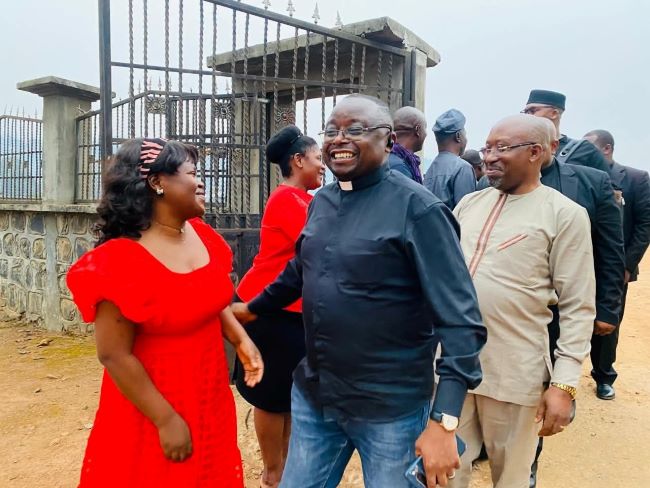 New Testament pastors in the Presbyterian Church in Cameroon
  World Bank Group statement on the conflict in the Middle East
  Anglophone Vice President: a deeply counterproductive idea
  Ambazonia Crisis: latest on Sisiku Ayuk Tabe’s arrest, trial and conviction
Most Commented Posts
 4 Anglophone detainees killed in Yaounde
18 comments Chantal Biya says she will return to Cameroon if General Ivo Yenwo, Martin Belinga Eboutou and Ferdinand Ngoh Ngoh are sacked
13 comments The Anglophone Problem – When Facts don’t Lie
12 comments Anglophone Nationalism: Barrister Eyambe says “hidden plans are at work”
12 comments Largest wave of arrest by BIR in Bamenda
10 comments
Featured
-

Etoudi plans constitutional reform to create vice president role
-
Russia conducts massive rolling aerial attacks on Ukraine
-
Cameroon, Switzerland sign MoU positioning Obala Institute as Central Africa Agri-Research Hub
-
Iran’s military vows to continue war until US, Israel ‘regret’ aggression
-

Cameroon Football: Ebwelle Bertin takes charge to revive Panthère du Ndé
-

Pope Leo XIV in Cameroon-The “Ambazonia crisis” in Southern Cameroons
-
New Testament pastors in the Presbyterian Church in Cameroon
16, September 2018
Biya regime intercepts families from fleeing war-torn Southern Cameroons 0
Local authorities in Southwest, one of the two crisis-hit English-speaking regions of Cameroon, on Saturday stopped families from relocating to French-speaking side of the country.
“We are not stopping them from travelling but those who are about leaving their homes you can see luggage here including furniture, beds. Where are they going? We want them to stay at home. The security and defence forces will guarantee their security,” the region’s governor, Bernard Okalia Bilia, told reporters after intercepting luggage-bearing buses from travelling.
The governor’s decision was taken after people began departing from the troubled region in large numbers following threats from armed separatist forces that circulation of vehicles will be stopped ahead of the Oct. 7 presidential poll.
The separatists have threatened to disrupt the election but Bilia said adequate measures have been taken to ensure a hitch-free vote.
Since November last year, government forces have been clashing with armed separatists in the Northwest and Southwest, the two Anglophone regions of the country where about 80 percent of population are native in French.
The armed separatist forces have declared an independent state in the two regions called “Ambazonia.”
According to the United Nations, over 180,000 people have been displaced internally and at least 30,000 have escaped to Nigeria where they now live in refugee camps.
Source:Xinhua