
2, October 2019
Talks convened by Biya begins in Yaounde without President Sisiku Ayuk Tabe 0
Talks convened by President Paul Biya to solve the Anglophone crisis have begun in Yaounde without separatist leader Sisiku Julius Ayuk Tabe. DW’s Fred Muvunyi says the peace dialogue is likely to fail.
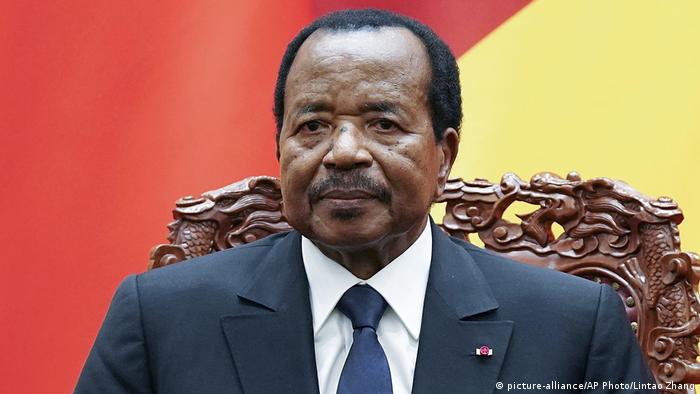
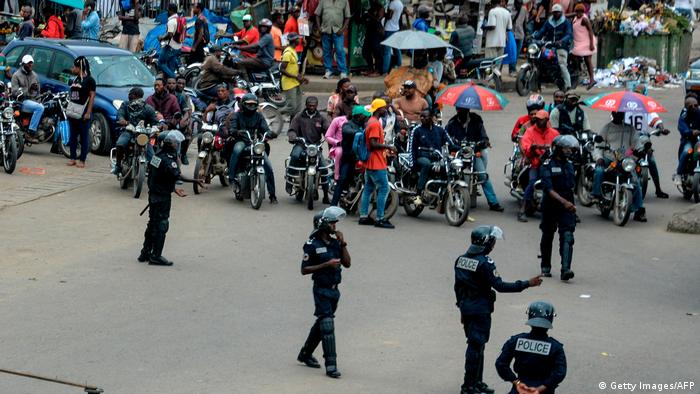
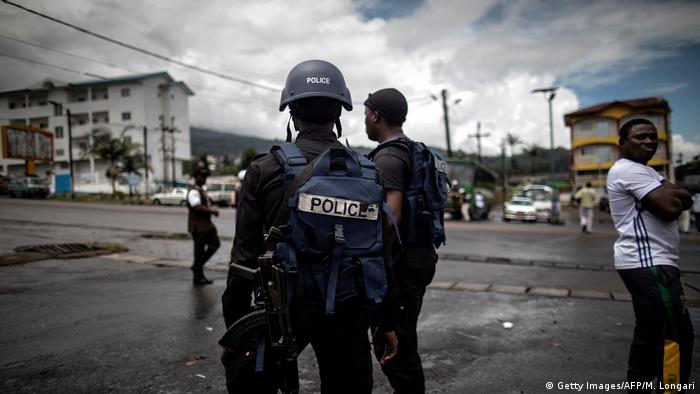
Cameroon has kicked off a national dialogue to discuss how to put an end to a crisis that started three years ago in the English-speaking Northwest and Southwest regions. A fifth of the country’s population of 24 million has had no peace for that period of time.
The International Crisis Group estimates that at least 3,000 people have been killed and 530,000 were displaced or forced by the conflict to flee to neighboring Nigeria and Equatorial Guinea. Many villages are completely deserted and countless houses have been set ablaze.
Reacting to international pressure, President Paul Biya — in power since 1982 — finally accepted to call for a dialogue. The president, seen by many Anglophones as the real catalyst of the crisis, charged his Prime Minister Dion Ngute with overseeing the talks.
Yaounde doesn’t seem to be serious about this dialogue. Otherwise, why would it arrogate to itself the right to set the terms of the mediation and lead the process, after inflicting so much pain on the Anglophone population?
This dialogue looks like a farce and is likely to do more harm than good. The entire nation was mobilized to suggest solutions to problems that a majority is not even aware of.
Paul Biya, 86, refused the international mediation offered by the Swiss government. He went for a format that many Anglophone Cameroonians are calling a monologue, because they do not feel represented. The Anglophones’ delegations are led by Northwest and Southwest governors – officials appointed by the Yaounde government.
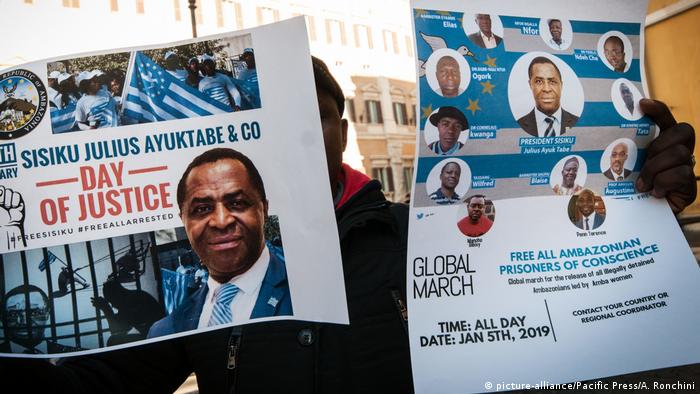
Biya’s failure to release the separatists’ leaders shows clearly how little he cares for the lives of the minority Cameroonians, who are fighting for their right to be and to self-govern. Let’s not forget that hundreds of pro-independence Cameroonians are languishing in jails and children in the region have not gone to school for three years.
Women run the risk of being sexually abused by armed men when they venture out into the forests where the guerilla is hiding. Those who survive the gun are dying of diseases.
Anglophone Cameroonians are being exterminated in slow motion. Any selfless leader should not allow this to happen, and the world should not look away.
In conversations I often have with English-speaking Cameroonians and after time spent in the region, I can see that these people are serious about their demands.
They are determined to fight for their freedom. No matter the cost. Otherwise they would have given up in spring of 2018 when armed separatists mounted attacks against the military, and Cameroonian troops retaliated, leaving civilians caught in the crossfire. But they kept up their demands nonetheless.
The Yaoundé forces have not been able to regain full control over rural areas nor prevent repeated separatist attacks in towns. Independence fighters show their muscle by imposing a general strike on Anglophone regions every Monday.
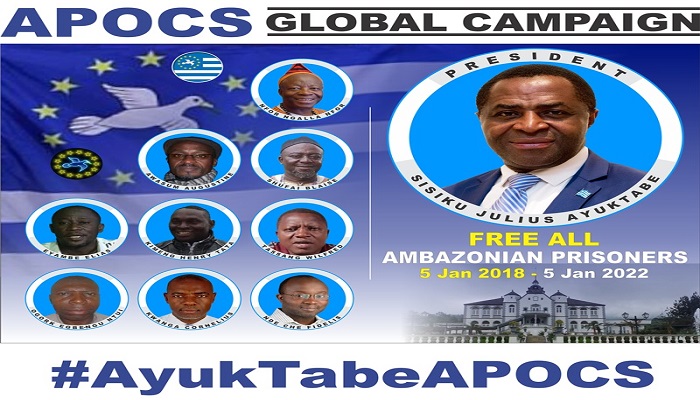
As a first step to end the crisis, Biya should release all Anglophone activists, including their leader Ayuk Sisiku Tabe.
Then he should call for an end to hostilities before starting deliberations. All government forces must leave the conflict-torn regions.
It’s time for both sides to make concessions, lose their egos and start an honest dialogue. Once trust and confidence have been built, Cameroonians will discuss a form of state that suits over five million people.
The resolve and determination of the people of Northwest and Southwest regions to choose a leadership that understands and feels their pain will not fade away.
Biya does not have much time left in office. It is high time he started to think about whether he wants to go down in history as a man who brutally murdered the people of his own country, or go to his grave as a man who committed horrible crimes – but redeemed himself by returning to peaceful ways.
Culled from Deutschewelle















3, October 2019
Grand National Dialogue in Yaounde goes on without Southern Cameroonians 0
Cameroon President Paul Biya announced the National Dialogue earlier in September when he also called on all the Separatists in the South West and North West English-speaking regions to surrender and be forgiven. Nearly 3 000 people have died since 2017 in regions. This number includes 300 defence and security personnel. The violence has forced more than 500 000 people to flee their homes.
Separatists want international mediation
The National Dialogue being led by Cameroon’s Prime Minister Joseph Dion Ngute extends through Friday in the capital, Yaounde. Prime Minister Ngute asked the more than 1 000 delgates at the Yaounde conference centre Monday if they would want to make history by bringing peace or war.
The Separatists have refused to attend the talks, demanding that the government release their leader Julius Ayuk Tabe, who was sentenced to life imprisonment in August by a military tribunal that found him guilty of crimes including secession and hostilities against the state.
The rebel groups also say they would only agree to such negotiations if they take place in a foreign country with UN mediators and in the presence of world powers such as the United States, Britain, France and Germany.
In his national address at the beginning of September, President Biya denied any marginalisation of English-speaking regions, saying he has always appointed Cabinet ministers from the troubled areas.
English-speaking regions feel marginalised
On Monday, the prime minister said by solving issues of marginalisation, even without the presence of the separatists, many fighters would give up their struggle.
The violence first erupted in 2016 when teachers and lawyers protested against alleged discrimination at the hands of Cameroon’s French-speaking majority. English speakers make up 20 per cent of the country’s 24 million people and have long complained of being marginalised by the French-speaking majority.
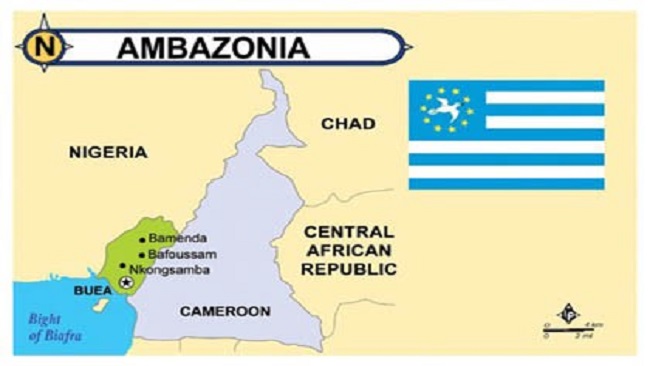
The government responded with a crackdown that sparked an armed movement for an independent, English-speaking state called Ambazonia.
Source: Vatican News