
30, September 2017
Cameroon bans pro-independence rallies in Anglophone area 0
Cameroon has banned public meetings and travel in a mainly English-speaking region ahead of a protest to demand independence for the area. The South-West region’s border with Nigeria has also been shut to block “infiltration” by people threatening Cameroon’s unity, officials said.
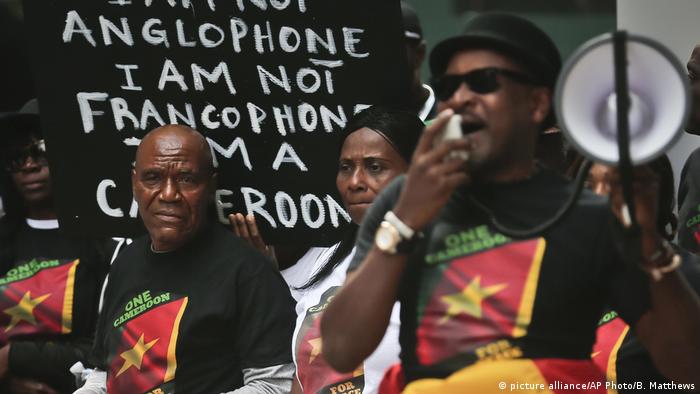
Pro-independence marches have been planned for Sunday, the 56th anniversary of Cameroon’s unification. English speakers accuse the Francophone majority of discrimination. They say they are often excluded from top civil service jobs, and that the French language and legal system have been imposed on them.
The government denies the allegations and insists that it treats all citizens equally. The divisions in the central African state date back to the post-colonial settlement. Cameroon was colonised by Germany and then split into British and French areas after World War One. Following a referendum, British-run Southern Cameroons joined the French-speaking Republic of Cameroon in 1961.
It is now divided into the South-West and North-West regions. Demands for independence have grown in the two regions in recent years and tension has been escalating ahead of Sunday’s planned protests, reports the BBC’s Randy Joe Sa’ah from the capital, Yaoundé.
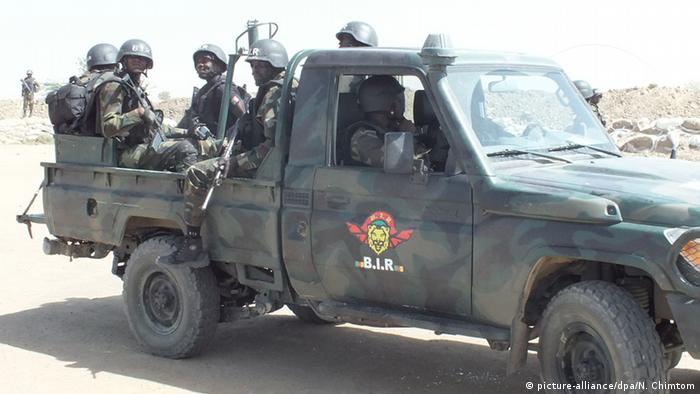
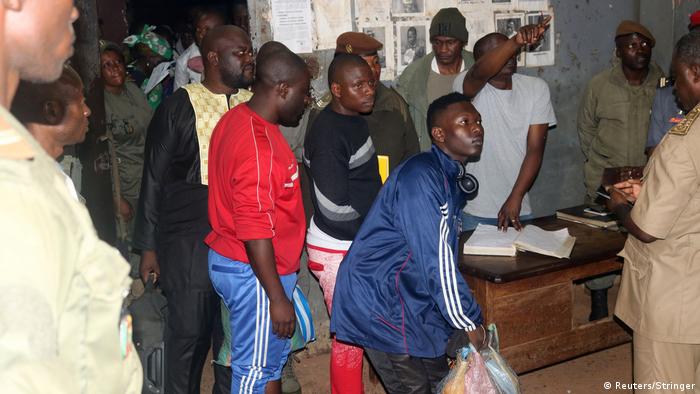
The South-West region’s governor, Bernard Okalia Bilai, has called protest organisers “dogs”, and has warned them that they will be met by troops if they take to the streets on Sunday, our correspondent adds. At least six protesters were killed and dozens arrested during protests earlier this year. Access to the internet in the Anglophone regions was also blocked from January to April.
Announcing the new security measures, Mr Bilai said there would be a ban on gatherings of more than four people, and travel between towns, from 20:00 GMT on Friday until 08:00 GMT on Monday. The region’s border with Nigeria would also be closed during this time “following persistent threats of destabilisation” by individuals based outside Cameroon, he added.
In a statement on Thursday, the UN said Secretary-General António Guterres was concerned about tensions ahead of Sunday’s protests. He urged Cameroon’s government to address the grievances of its Anglophone population, and to take steps to promote national reconciliation, it said.
“The Secretary-General supports upholding the unity and territorial integrity of Cameroon and urges all parties to refrain from acts that could lead to an escalation of tension and violence,” the statement added.
Culled from the BBC










30, September 2017
UN Human Rights Council extends Burundi abuses probe 0
The UN Human Rights Council voted Friday to extend the mission of an international probe into atrocities in Burundi, overriding strong pushback from the government accused of crimes against humanity.
The adoption of the European Union resolution to prolong the mandate by a year came a day after the council’s African bloc approved a separate measure to send a team of experts to Burundi that would report their findings to the government.
The controversial African proposal, strongly supported by Burundi’s UN delegation, angered Western delegations and rights groups.
They blasted it as an underhanded attempt to suppress the impact of the UN-backed probe, which has collected evidence of egregious crimes orchestrated by Burundi’s government and security forces.
The EU proposal, which was backed by the United States, passed Friday with 22 votes in favor, 11 against with 14 abstentions.
The African group was split on the EU measure: South Africa and Ghana voted against, while Kenya, Nigeria and Ivory Coast abstained.
With both Burundi resolutions having been approved by the council, the crisis-riddled country is now in the rare circumstance of being subject to two investigations.
In accordance with the African-backed plan, three experts will be “urgently” dispatched to Burundi to study the situation and then “forward” their findings to the judicial authorities, who will assess their validity.
The EU resolution extends the work of the independent Commission of Inquiry, which earlier this month accused the government of crimes against humanity, including executions and torture.
“The Commission can now continue its crucial work to end the abuses and hold perpetrators accountable,” the Geneva director for Human Rights Watch, John Fisher, said in a statement.
“Burundi’s victims deserve no less”, he added.
Burundi plunged into crisis in 2015 after the country’s President Pierre Nkurunziza sought a fiercely contested third term in office.
The violence claimed between 500 and 2,000 lives, according to differing tolls from the UN and civil society groups, while more than 400,000 Burundians have fled abroad.
(Source: AFP)