6, January 2022
WHO official downplays new IHU COVID variant “probably” originated in Cameroon 0
The seriousness of a stagnant COVID-19 variant identified in France in November was downplayed by global health officials, who said they were still watching it closely on Tuesday.
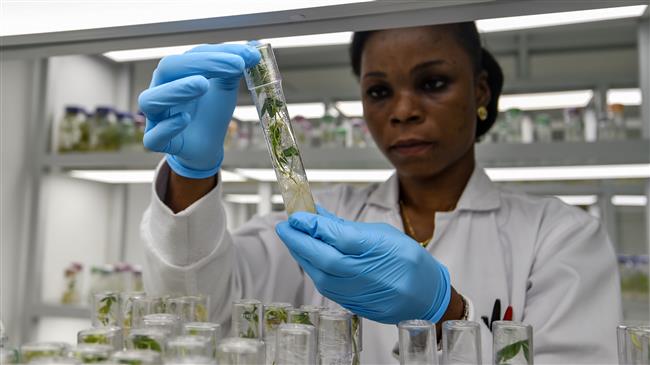
The variant, nicknamed IHU after the research hospital it was discovered in, “probably” originated in Cameroon, scientists said last week. It was identified in 12 patients in the Southern Alps around the same time the highly transmissible Omicron variant was surging in South Africa, officials said.
The variant “has been on our radar,” Abdi Mahamud, a WHO incident manager on COVID, said at a press briefing in Geneva on Tuesday, according to Bloomberg. “That virus had a lot of chances to pick up.”
The news came as France saw its average daily caseload more than double in a week, with a record 271,686 COVID-19 cases recorded there Tuesday.
IHU’s patient zero had just returned from Africa when scientists at IHU Méditerranée Infection in Marseilles discovered he was infected with an atypical mutation of the virus. The vaccinated man “developed mild respiratory symptoms the day before diagnosis,” researchers wrote in their non-peer-reviewed article published in medRxiv.
Source: New York Post














6, January 2022
Africa Cup of Nations: Super Eagles of Nigeria arrive Garoua 0
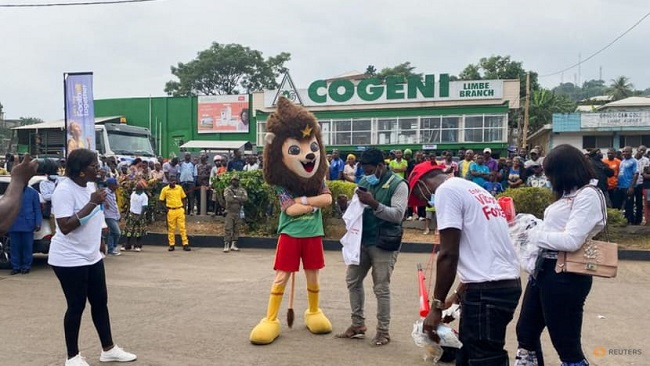
Nigerian National men football team, the Super Eagles have arrived in Cameroon ahead of the upcoming Africa Cup of Nations, AFCON, tournament.
Naija News understands that the 2021 AFCON tournament will kick off on Sunday evening, January 9 with Cameroon playing the opening match against Burkina Faso.
The Nigerian squad and officials are said to have arrived in Garoua, Cameroon, on a chartered flight in the early hours of Thursday.
Super Eagles would be playing their first match against Egypt on Tuesday, January 11 at the Roumde Adjia stadium, Garoua.
The match is scheduled to kick off at 5:00 pm.
Meanwhile, Super Eagles captain, Ahmed Musa could not travel with the Eagles to Cameroon, Naija News understands.
It was confirmed that the 29-year-old player missed the Super Eagles’ last training session on Wednesday, December 5, after receiving the sad news that his relative died.
The National Team management sympathized with the Fatih Karagumruk of Turkey striker and subsequently granted him permission to leave the team’s camp to be with family members.
Musa is, however, expected to join his teammates in Cameroon ahead of Nigeria’s first game of the competition against Egypt on January 11.
Naija News had reported earlier that the shirt number for the players were made public on Wednesday by the Confederation of African Football (CAF).
According to the disclosure, in the goalkeeping department, Maduka Okoye will wear the number one jersey, while Francis Uzoho will put on the 23, Daniel Akpeyi gets the number 16 jersey, while John Noble will wear 27.
Others are: Semi Ajayi – 6, Frank Onyeka – 8, Kelechi Nwakali – 25, Joe Aribo – 10, Odion Ighalo – 9
Chidera Ejuke – 13
Culled from Naija News