17, March 2026
The Lamido of Rey Bouba is new Senate President 0
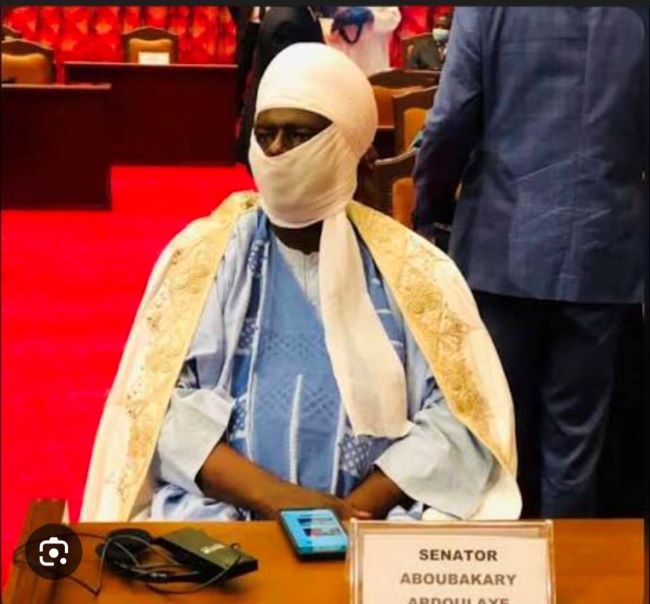
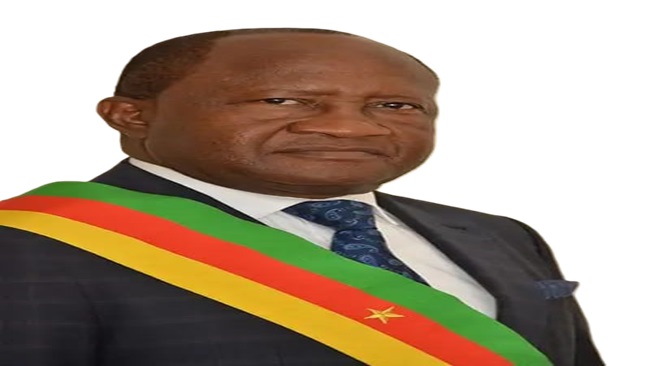
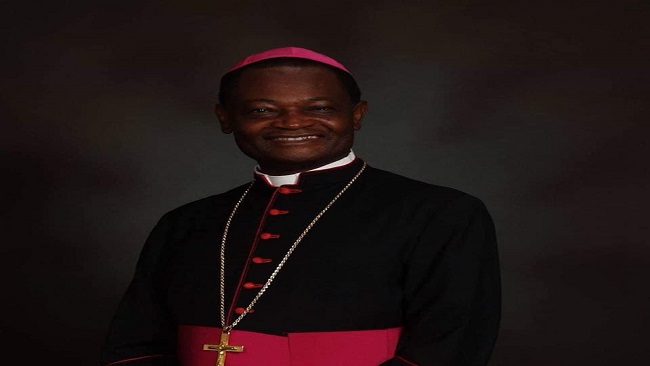
Senator Aboubakary Abdoulaye who also moonlights as the Lamido of Rey Bouba has been elected President of the Cameroonian Senate signaling the end of Niat Njifengi. Today’s electoral victory of Senator Abdoulaye marks a moment of both continuity and cautious anticipation in Cameroon’s political story. At a time when all administrative and political establishments in Cameroon are being tested by shifting public expectations, generational change, and demands for accountability, this change of leadership in the Cameroonian Senate carries significance well beyond ceremonial protocol in Yaoundé.
Senator Aboubakary Abdoulaye is stepping into the role with the weight of institutional responsibility on his shoulders. The Senate, often perceived as the nation’s House of Lords within Cameroon’s legislative framework, plays an important role in safeguarding constitutional order, reviewing legislation, and ensuring regional representation. This traditional leader from the Far North region will be judged not only by how effectively the Senate performs these duties, but also by how it responds to the broader concerns of Cameroonian citizens, Francophone and Anglophone.
Seas of political commentators have opined today that Senator Aboubakary Abdoulaye is a reflection of the enduring influence of established political structures in Cameroon. But his electoral victory also raises an important question: can continuity coexist with renewal? For many in Yaoundé, the hope is that Senator Abdoulaye’s tenure will not simply reinforce the status quo, but rather inject a measure of responsiveness into governance—particularly in addressing economic pressures, social cohesion, and the ongoing challenges in various regions of the country including the war in Southern Cameroons.
There is also political weight in leadership transitions such as this. They offer an opportunity to reaffirm public trust in institutions that, for some, may feel distant from everyday realities. The Senate president, though not always at the forefront of executive decision-making, occupies a position that can either reinforce institutional credibility or deepen public skepticism. Abdoulaye’s approach to transparency, dialogue, and legislative independence will therefore be closely scrutinized.
Cameroon stands at a delicate juncture. Its political future will depend not only on leadership at the highest executive levels but also on the strength and integrity of its legislative bodies. In this regard, the Senate presidency is more than a title—it is a test of stewardship.
As Senator Aboubakary Abdoulaye assumes office, the expectations are clear. Stability must be matched with vision. Tradition must be balanced with reform. And above all, leadership must remain attuned to the voices of the people it is meant to serve.
Whether this moment becomes a footnote in a long continuum of continuity or a subtle turning point toward renewal will depend on the choices made in the days ahead.
By Queen Besumbu Agbaw in UK with files from Rita Akana in Yaoundé












18, March 2026
‘100 Israeli targets struck’ as Iran avenges Dr. Larijani’s martyrdom 0
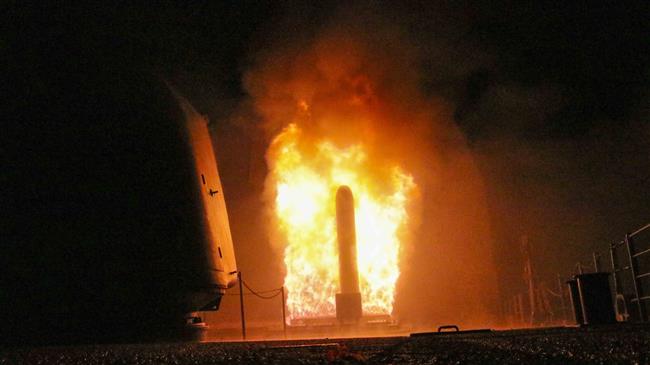
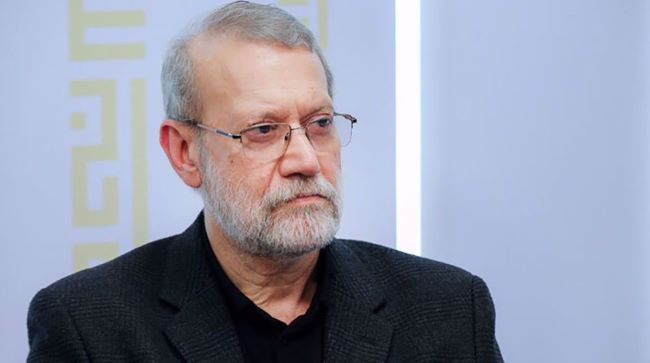
The Islamic Revolution Guards Corps (IRGC) has struck more than 100 targets in the city of Tel Aviv in retaliation for the martyrdom of Dr. Ali Larijani, Iran’s former top security official, during unprovoked American-Israeli aggression against the country.
In a statement on Wednesday, the IRGC announced hitting the targets during the 61st wave of its ongoing retaliatory Operation True Promise 4 in the face of the aggression.
The hostile objects, it added, were targeted using multi-warhead Khorramshahr-4 and Qadr missiles as well as Emad and Kheibar Shekan projectiles as a means of avenging the martyrdom of Dr. Larijani, the former secretary of Iran’s Supreme National Security Council (SNSC), the statement read.
“During these intense lightning strikes, the Khorramshahr-4 and Qadr missiles hit more than 100 military and security targets in the heart of the occupied territories without facing any obstruction,” it added.
The IRGC put the facility characterizing this stage of the reprisal down to “the disintegration of the Zionist regime’s multilayered and highly advanced air defense systems.”
It cited field information as pointing to taking place of a “partial blackout” in Tel Aviv as a result of the reprisal that also resulted in the regime’s forces’ having a harder time controlling the situation at hand and rescuing those affected.
The Corps, meanwhile, said Operation True Promise 4 had so far either killed or injured more than 230 Zionists.
The retaliation began following the launch of Washington’s and Tel Aviv’s most recent bout of unlawful aggression towards the Islamic Republic.
In addition to Tel Aviv, it has targeted sensitive and strategic enemy objects in the holy occupied city of al-Quds, the occupied port of Haifa, Be’er Sheva, which serves as the regime’s technological epicenter, and the Negev Desert.
American outposts across the region, including those lying in Qatar, Bahrain, the United Arab Emirates, Kuwait, and Saudi Arabia, have also faced intense reprisal.
Source: Press TV