22, September 2020
East Cameroon Crisis: Citizens threatened with life imprisonment if they take part in anti Biya protest 0
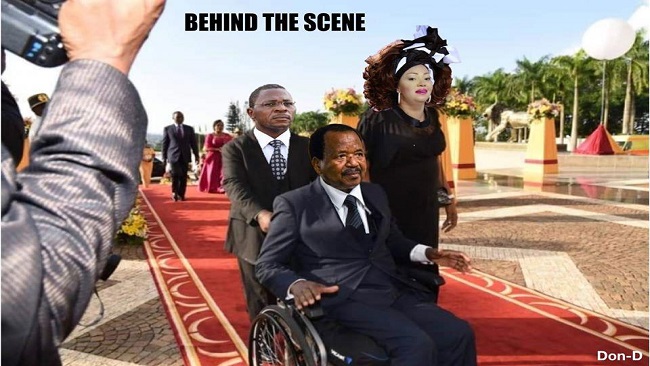
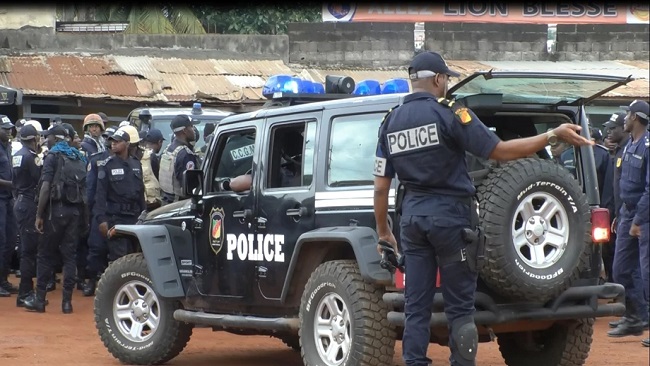
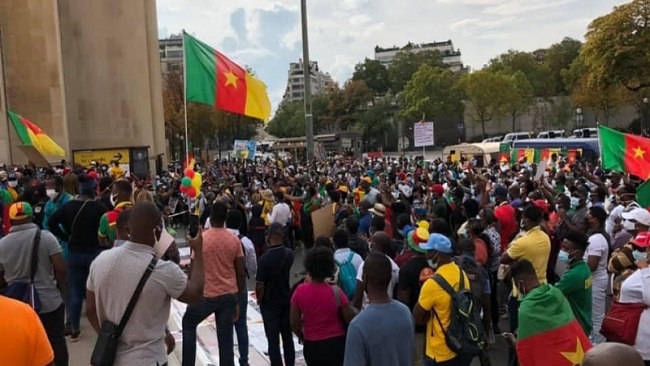
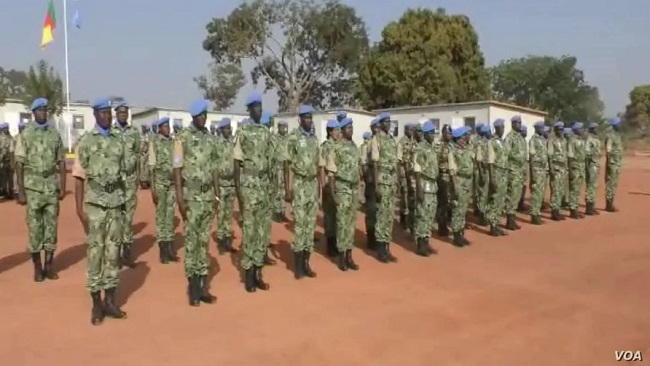
Soldiers have been deployed onto the streets of Cameroon ahead of protests planned for Tuesday which call for President Paul Biya to resign amid escalating ethnic tensions.
Those planning to take part in the demonstrations, called by opposition leader Maurice Kamto, have been threatened with “life imprisonment” after government figures accused him of insurrection.
His Cameroon Resistance Movement has called for peaceful protests to demand Mr Biya’s resignation and that regional elections in the English-speaking regions of Cameroon be reformed to include marginalised communities.
Some 17 per cent of Cameroon’s population of 17 million live in the two Anglophone regions.
The military mobilisation comes as the government fears that demonstrations could spark severe public disorder as tensions continue to rise.
At least 3,000 have been killed and 730,000 people internally displaced in clashes with the security services over the past four years.
In June, the Norwegian Refugee Council said for a second year running that Cameroon topped the list as the most neglected crisis on the planet.
Opposition figures claim that scores have been arrested ahead of Tuesday’s protests.
According to eyewitnesses, men in military fatigues detained at least eight motorcycle-taxi drivers who were reading opposition newspapers.
Government minister Paul Atanga Nji said: “I want to sound a stern warning to unscrupulous politicians looking for cheap popularity with a hidden agenda that they will face the law in case of any public disorder.”
But Mr Kamto, who claims that the 2018 presidential election won by Mr Biya was rigged, insisted the protests would go ahead despite state oppression.
“Our fight against the dictatorship is heading towards its critical phase. Despite the essentially peaceful nature of our struggle for the freedom and development of our country, the regime once again resorts to terror and judicial barbarism,” he said.
“As I have said repeatedly, we want to get out of the dictatorship.”
Source: Morning Star Online















22, September 2020
Cameroon is a ship without a captain 0
Cameroon is bleeding. The people are exasperated and exhausted. The dictatorial, increasingly repressive regime of Paul Biya — one of the longest-ruling leaders in all of Africa — seems not to care about this predicament. Daily, the situation in our beleaguered country grows worse. Cameroon is adrift and crumbling, like a ship without a captain, sailing listlessly amid the ever-cascading waves that collectively batter us.
It is for these reasons that this week — the third anniversary of the outbreak of mass violence in our Anglophone regions — Cameroonians will take to the streets to once again chase our destiny by means of peaceful demonstrations. As a collective voice for change and reform, Cameroonians will again demand that Biya and his corrupt ruling cabal step down from the offices they no longer respect or deserve.
The people believe that demanding political change in Cameroon is the ultimate act of sacrifice and patriotism. They are prioritising the future of our country, something that the ruling regime has failed to do for several decades.
For Cameroon to meet the long-subdued aspirations of its people, a bold reform agenda must be advanced; a viable path for change, regardless of the present dangers. The situation demands leadership and it is evident that the regime is unwilling or unable to exercise the necessary courage.
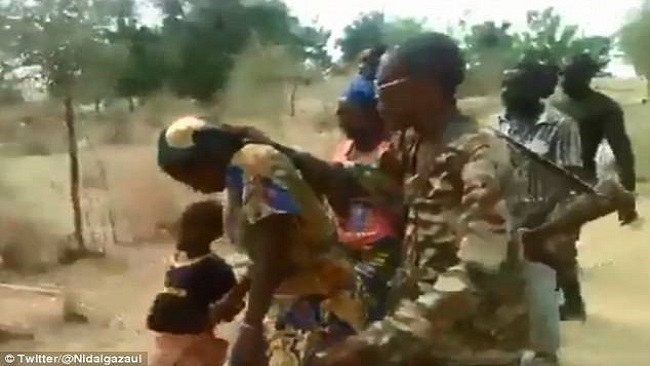
As Cameroonians prepare for peaceful protests, they are concerned about the potential for state violence. In the past, our placards and chants have been met with gunfire, beatings, burnt villages, torture and extrajudicial executions, as well as rape as a weapon of war against our female colleagues.
The freedom to demonstrate and free speech are protected by Cameroon’s Constitution — and duly recognised in regional and international conventions to which our country is part of — yet these basic rights are not respected in practice. My patriotic colleagues and like-minded Cameroonian citizens are law-abiding people who reject all forms of violence. Cameroonians will maintain this stance regardless of the atrocities committed against us. But our plight and demands need to be heard by the international community. Too often, and for too long, our cries for freedom have been met with silence.
The awakening of the Cameroonian spirit, and our peoples’ reclamation of its freedom, are not very different from similar battles that were fought elsewhere such as the apartheid regime in South Africa and in segregationist America. Nor is it dissimilar from the pro-democracy struggles against dictatorships that once stood and still stand in parts of Latin America, Eastern Europe and across the African continent.
No banning or outlawing of any movement has ever prevented a committed people from demanding or attaining their freedom. This is especially so in a context, like Cameroon, where avenues for political change have been systematically nullified through shambolic elections and equally sham persecutions of regime critics.
Today in Cameroon, the nexus between the unending civil war in our Anglophone regions and the imperative of new leadership in our capital city is clear. The Anglophone crisis is part of a deeper cancer in metastasis. The humanitarian disaster is a symptom, a horrific one, of a deeper problem of governance. And until that deeper problem is addressed by Cameroonians and international allies, then the longer the Anglophone crisis will linger. It will simmer and it will continue to kill.
Because I have encouraged people to exercise their democratic rights, I know I may be targeted and arrested by authorities, *as has become the norm. Now, more than ever, the people must speak up against injustice.
But the people of Cameroon need international support. Their struggle needs the attention that a humanitarian crisis of this magnitude deserves. As of this writing, for example, the United Nations conservatively estimates that the ongoing conflicts in our country have killed more than 3 000 people and displaced nearly 700 000 more in the Anglophone regions — this represents about 20% of Cameroon’s total population.
The situation facing our country is dire, but it is not beyond repair. Our people understand that the time to act is now. It is incumbent upon them to both exercise their rights peacefully and to demand change, fearlessly and with bold conviction. Only with change at the top can they, as concerned citizens, begin to heal our country’s deep scars and once again place faith in their future as a united people. Inspired by the words of the great Nelson Mandela, our people are saying: “Never again shall it be that our beautiful land of Cameroon will again experience the oppression of one by another. Let freedom reign. And God bless Cameroon.”
Source: Mail/Guardian