10, August 2019
Southern Cameroons leaders end hunger strike 0
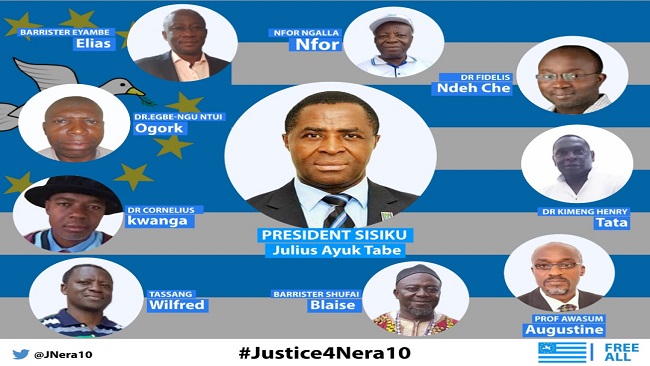
Jailed Southern Cameroons leaders have ended a hunger strike that started ten days ago to denounce French Cameroun’s malicious treatment and killing of several Ambazonia detainees. President Sisiku Ayuk Tabe of the Federal Republic of Ambazonia and his senior aides reportedly announced an indefinite hunger strike last week immediately after the Kondengui and Buea prison riots.
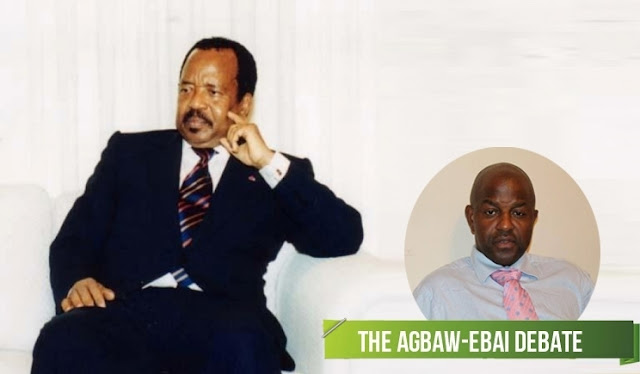
With the trial against pro-independence leaders due to continue on August the 19th in the Yaoundé Military Court, a statement by Barrister Eyambe Elias Ebai said that the leaders have suspended the strike and urged other Southern Cameroonians all over the globe who had joined the hunger strikers to stop the protest in order to save their strength for the proceedings on August the 19th.
Ambazonia Vice President Dabney Yerima who had earlier urged the jailed leaders to put an end to the hunger strike observed that the “NERA 10 are amazingly brave and the world is feeling anxious about them.” Dabney Yerima further pointed out that Ambazonian goals have been accomplished explaining the reasons for ending the protest to Cameroon Concord News Group.
The hunger strike by the Ambazonian jailed leaders was widely reported by international media including SCBC, the Southern Cameroons Broadcasting Cooperation. On day 8 of the hunger strike, Dr Nde Che Fidelis was attended to by penitentiary infirmary nurses in court, although a French Cameroun military doctor deemed his condition “stable.”
By Soter Tarh Agbaw-Ebai



















12, August 2019
Amba War Casualty: 2 Soldiers, 3 S. Cameroons civilians killed in Bamendakwe 0
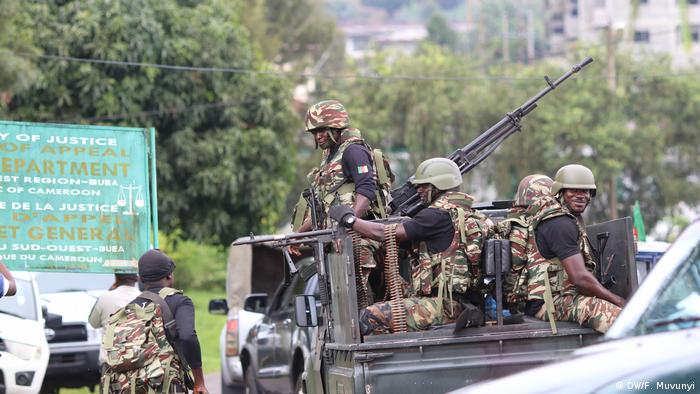
French Cameroun military officers raided the village of Bamendakwe in Up Station Bamenda, the chief city in the Northern Zone of Southern Cameroons over the weekend killing three Ambazonian civilians. The troops loyal to the regime in Yaoundé were ordered by the Francophone governor Lele L’Afrique to destroy an Ambazonian security check point located in Bamendakwe.
Cameroon Concord News sources hinted that the French Cameroun soldiers entered Bamendakwe on board a taxi owned by a relative of Minister Paul Atanga Nji and opened fire on innocent civilians.
Yaoundé announced late on Sunday that 2 separatist fighters were killed during the operation. However, we gathered that Ambazonia Self Defense Forces retaliated immediately after the Francophone soldiers stormed the village killing two of them.
It should be noted that the French Cameroun military has carried out numerous raids on Bamendakwe killing women and children. Our chief correspondent in Bamenda reported that some 18 young men and women have so far been in Bamendakwe among them two persons with mental disorder.
By Sama Ernest with files