26, July 2022
Burkina ex-leader Compaoré apologises to family of slain revolutionary icon Thomas Sankara 0
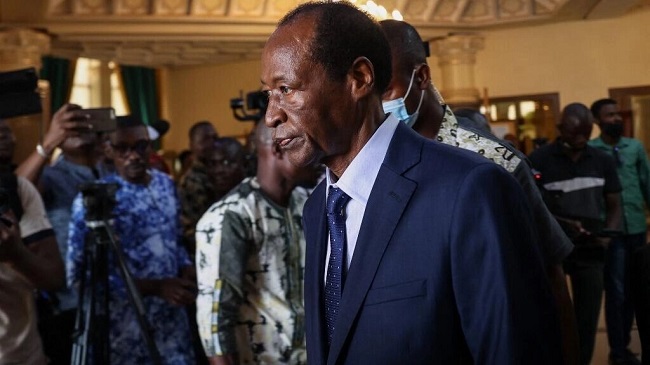
Burkina Faso’s former president Blaise Compaoré, sentenced in absentia to life in jail for the 1987 assassination of revolutionary icon Thomas Sankara, apologised to the ex-leader’s family on Tuesday.
“I ask the Burkinabe people for forgiveness for all the acts I may have committed during my tenure, and especially the family of my brother and friend Thomas Sankara,” he said in a message read out by government spokesman Lionel Bilgo.
Compaoré seized power in the West African nation in a 1987 coup that toppled and killed serving leader Sankara.
A Burkina court handed him a life term in absentia in April for his role in the assassination.
“I take responsibility for, and regret from the bottom of my heart, all the suffering and tragedies experienced by all victims during my terms as leader of the country and ask their families to grant me their forgiveness,” he added.
Compaoré, 71, has been living in exile in neighbouring Ivory Coast since being ousted from power by mass protests in 2014.
He returned to Burkina Faso for several days this month, without facing arrest, after the country’s military leader Lieutenant-Colonel Paul-Henri Sandaogo Damiba invited him in the name of “national reconciliation”.
The visit sparked an outcry among civil society groups and political parties, who said uniting the nation should not come with immunity from punishment.
Compaoré expressed his “deep gratitude” to Burkina Faso’s military-dominated transitional government.
He called on his compatriots to join “a sacred union, tolerance, moderation, but above all forgiveness so that the national interest prevails”.
A fiery Marxist-Leninist who blasted the West for neocolonialism and hypocrisy, Sankara was gunned down by a hit squad on October 15, 1987, little more than four years after coming to power as an army captain aged just 33.
Damiba took power in a January coup that ousted former president Roch Marc Christian Kaboré, amid widespread anger at the government’s failure to deal with a bloody jihadist insurgency that spread from neighbouring Mali in 2015.
Source: AFP














27, July 2022
Federal Republic of Ambazonia: Serving the Biya Francophone regime is treason 0
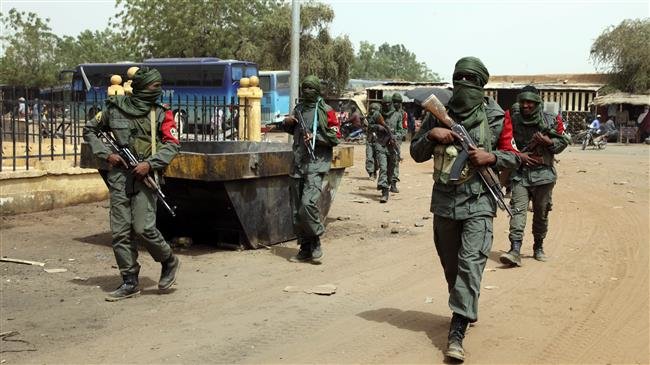
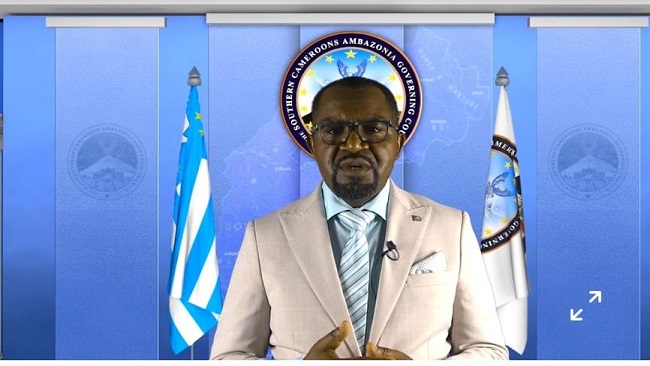
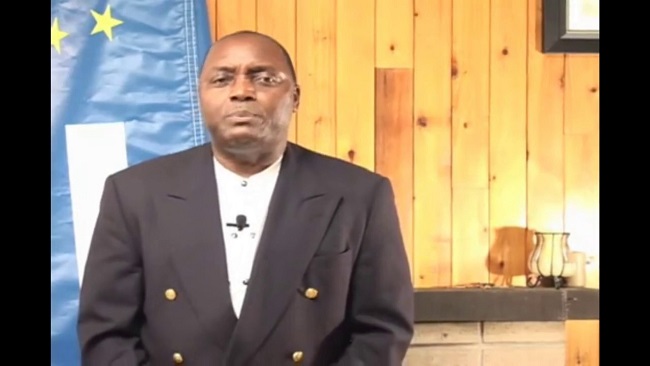
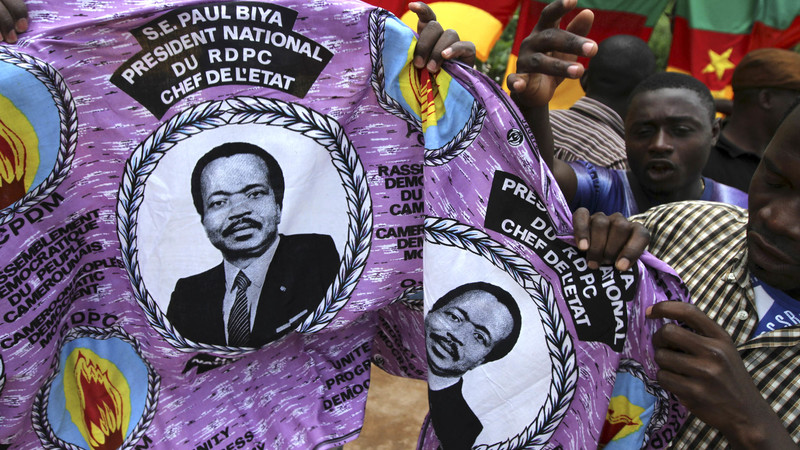
A senior Southern Cameroons official with the Ambazonia Interim Government has slammed as treasonous all West Cameroonians serving with the Biya Francophone regime in Yaoundé.
“Serving the interest of the French Cameroun regime is treason, and resistance and the use of weapons and the Big Rubbergun will continue until the liberation of the Ambazonian homeland,” Tabenyang Brado, Secretary of the Economy, said in a conversation with our US Bureau Chief Enowtaku Ebanghatabi Christelle
“The Federal Republic of Ambazonia will not fall in the face of French backed French Cameroun foreign threats and will remain a home for resistance,” Tabenyang Brado opined, adding that, “The Southern Cameroons struggle will not be torn apart and that the Federal Republic of Ambazonia will no longer be a French Cameroun colony.”
The Ambazonia front line official also stressed that five years into its formation, the Ambazonia Interim Government now led by Vice President Dabney Yerima has become much stronger and still challenges the Biya Francophone regime and its military apparatus deployed to Southern Cameroons.
Five years into a deadly separatist conflict in Cameroon’s English-speaking regions, hopes of finding a negotiated settlement seem more distant than ever as both the government and secessionist rebels dig in, according to civil society activists.
It’s a conflict marked by spikes of extreme violence that invariably target civilians. The latest high-profile incident was last month, when government soldiers killed nine people in Missong village, in the anglophone Northwest region.
Rights groups accuse both the security forces and secessionist fighters of serious abuses that include extrajudicial killings, rape, kidnapping, and torture.
The root of the conflict is the central government’s historical marginalisation of the two English-speaking regions, the Northwest and Southwest, home to about 20 percent of the population.
But the dynamics of the violence have changed with the growth of a lucrative “war economy”, typically involving kidnapping and the broader extortion of the civilian population. The political and economic spoils of the war have reduced the incentive to find a negotiated settlement.
By Isong Asu with files from Enowtaku Ebanghatabi Christelle and The New Humanitarian