12, July 2022
War in Ukraine: Latest developments 0
Here are the latest developments in the war in Ukraine:
Ukraine claims arms depot hit
Kyiv says it has destroyed an arms depot as part of a barrage of rockets and missiles on Russian military targets in southern Ukraine.
Ukrainian military officials say the strikes in the Kherson region destroyed artillery, armoured vehicles “and a warehouse with ammunition in Nova Kakhovka”.
Russian authorities in the city say Ukrainian strikes damaged civilian infrastructure and left at least seven people dead, a toll that could not be independently verified.
EU approves one billion euros in aid
European Union finance ministers approve one billion euros ($1 billion) in financial aid to Ukraine, a first instalment of a promised nine-billion-euro package for Kyiv agreed in May.
“This will give Ukraine the necessary funds to cover urgent needs and ensure the operation of critical infrastructure,” says Czech Finance Minister Zbynek Stanjura, whose country holds the EU’s rotating presidency.
‘Massive’ strikes on southern city
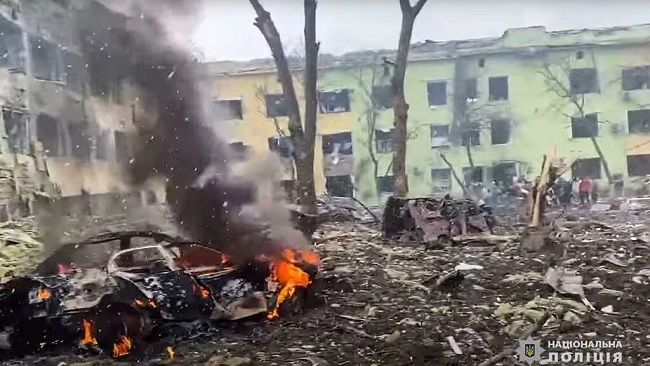
Russian forces launch “massive” strikes on the southern Ukrainian city of Mykolaiv, with missiles hitting two medical facilities and residential buildings, the city’s mayor Oleksandr Sienkevych says.
The regional head, Vitaliy Kim, says 12 people have been wounded in the attacks.
Netherlands pledges weapons
During a visit to Kyiv, Dutch Prime Minister Mark Rutte says the Netherlands will join other Western allies and send more advanced artillery to the front lines.
But a top US official cautions that Moscow is also receiving a weapons boost, with Iran planning to supply hundreds of drones with combat weapon capabilities to Russia for use in Ukraine.
Fast-tracking passports
After Russian President Vladimir Putin passed a decree fast-tracking Russian passports for all Ukrainians, Foreign Minister Sergei Lavrov is expected to open a representative office for separatist authorities in Moscow.
Source: AFP

















13, July 2022
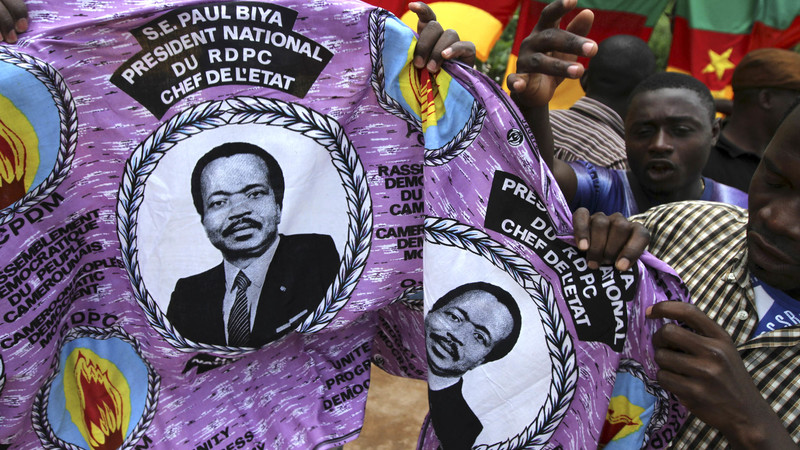
Biya regime says 2.4 million need emergency food support 0
Cameroon’s government has called for emergency food support for more than two million people facing hunger along its northern borders with Chad and Nigeria. At a crisis meeting Monday in Yaoundé, authorities blamed natural disasters, insecurity, and intercommunal clashes in part for causing the food shortage in the nation of 26.5 million people.
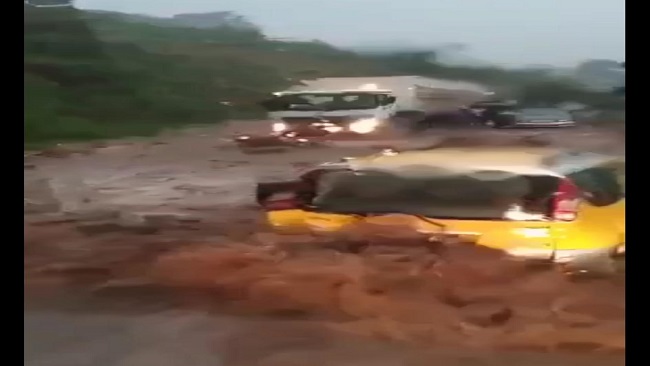
Agriculture Minister Gabriel Mbairobe said floods and elephants have devastated several hundred hectares of farmland, poultry farms and crops, and killed an unknown number of cattle, sheep and goats within the past six months.
Mbairobe also said devastating migratory caterpillars, crickets and weaver birds have decimated thousands of hectares of farmland in Cameroon, especially on the border with Chad and Nigeria. He said close to 300,000 people find themselves in extreme or emergency food insufficiency situations and 2.6 million people are not certain they will have a meal each day.
Food insecurity is threatening the lives of 6 million Cameroonians, Mbairobe said.
Speaking in Yaounde on Monday during the crisis meeting, Mbairobe said most poor civilians threatened by food insecurity find it difficult to cope with rising prices caused by Russia’s war in Ukraine.
The Cameroonian government blames the war for a 15 to 30 percent increase in the price of staple food items, especially wheat, maize, sorghum and rice widely consumed in areas along the northern border with Nigeria and Chad.
Cameroon relies on Ukraine for 60 percent of its wheat imports. The war has caused the price of a 50-kilogram bag of wheat to climb from $35 to $60, an amount the government says a majority of the hungry people cannot afford.
Ephraim Chi, who owns a maize plantation in Pousse, a town on the border with Chad, said unpredictable weather conditions and changing climate patterns make it difficult for farmers to know when to plant.
“At times we will go for a long time without rain and at times the rains will become intense, so farmers are now confused when to actually plant their crops and that is why we have a lot of poor yields now,” he said. “People are cutting a lot of trees and these trees regulate the climate. When the soil is so dry because we have cut down a lot of trees, the catchments (water collections) dry up.”
Chi blamed civilians for cutting down trees for firewood and logging companies for what he said is their attitude to destroy the environment.
Cameroonian officials say more than 40,000 people, a majority of them cattle ranchers, farmers and fishers, plan to return to the border region despite fleeing December 2021 bloody clashes over water resources.
The government has not said how much it needs to reduce the food crisis, but that it is in negotiations with funding agencies and friendly countries.
Last week, Japan’s government donated $1.2 million to the World Food Program to assist vulnerable persons, including those threatened by hunger in Cameroon, Chad and the Central African Republic.
In a food analysis in April, the World Food Program said staple food prices, early depletion of household food stocks, and declining incomes from reduced crop sales limit food access for poor Cameroonian households amid low levels of humanitarian assistance.
The report says the ongoing Boko Haram insurgency in northern Cameroon and clashes between government forces and separatist fighters in the Northwest and Southwest regions continue to negatively affect the livelihoods of populations and drive high numbers of acutely food insecure persons. The separatists are seeking to carve out an independent English-speaking region from the rest of the French-speaking country.
Source: VOA