5, June 2020
Under pressure, Cameroon army issues “empty statement” says Wazizi died from severe sepsis 0
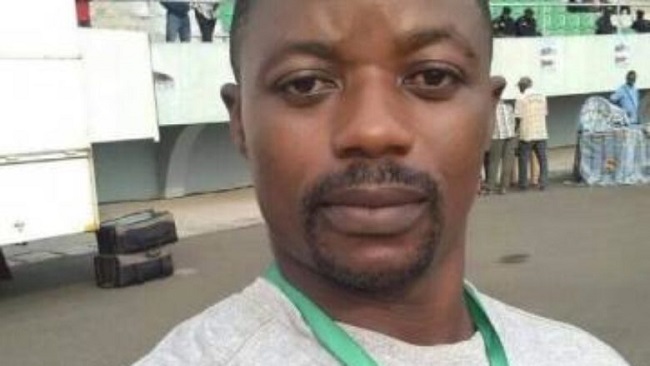
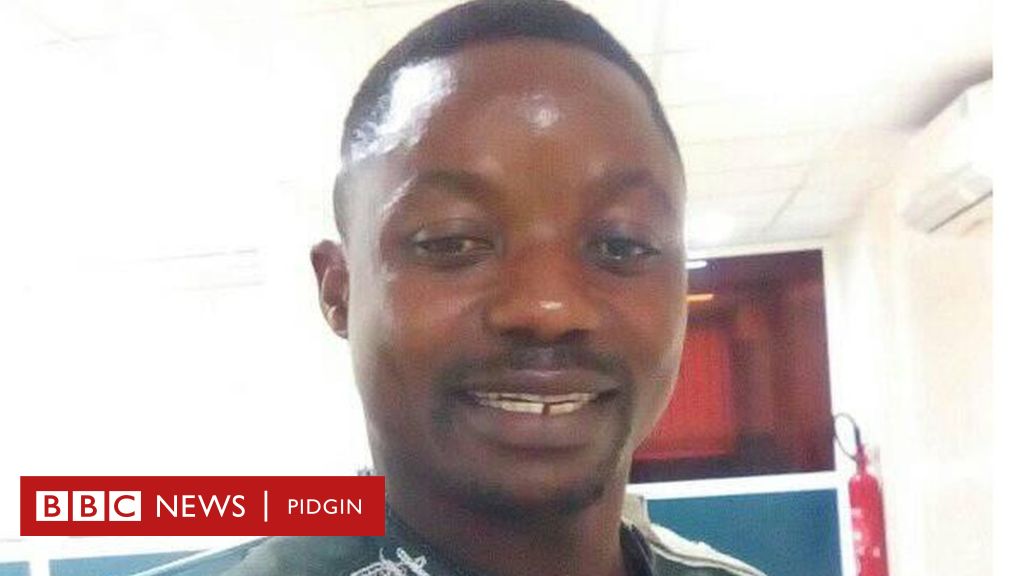
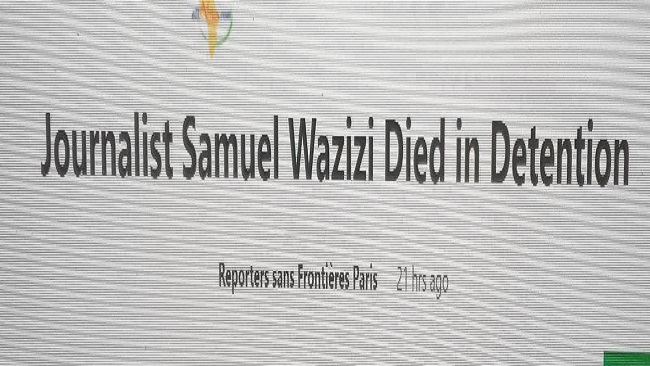
In the face of mounting evidence, Colonel Cyril Serge Atonfack of the Cameroon Ministry of Defense on Friday June 5 acknowledged that journalist Samuel Wazizi died 16 days after his arrest in Buea from severe sepsis. The late admission by the Cameroon army undermined the credibility of earlier information provided by top army officers, who ever since had adamantly dismissed allegations of maltreatment and torture.
The Colonel Cyril Serge Atonfack statement also raised a host of new questions, such as whose body was recently transported from Buea to a Yaoundé morgue by the army under heavy escort?
Yaounde’s acknowledgment alters the narrative around its confrontation with Southern Cameroonians in a way that could anger the French Cameroun public and the French Cameroun media. The Biya regime had arrested the journalist and the Buea police told his lawyer that Wazizi was accused of “collaborating with separatists” and “spreading separatist information.”
A fair trial was promised that never held but instead of accepting that the army killed the journalist, Yaoundé is now saying that Wazizi died of severe sepsis and not torture as reported by local and international media houses.
Several news reporters have gathered in Buea and Yaounde to protest the Cameroon government’s late empty statement on the circumstances surrounding Wazizi’s death.
International media organizations such as Reporters Without Borders and Pen International have not commented on the Cameroon army press release. However, the Southern Cameroons Interim government has blamed the killing of journalist Wazizi on the French Cameroun government.
Vice President Dabney Yerima expressed his deep sympathy to the Wazizi family and called on the Ambazonia Self Defense Forces to increase their efforts at protecting Southern Cameroons news men and women covering the French Cameroun genocidal campaign going on in Ambazonia.
Newscaster Samuel Ajiekah Abuwe aka Wazizi was arrested in August 2019 in Buea and handed over to the Cameroon government army.
By Chi Prudence Asong

















6, June 2020
Combating COVID-19: Cameroon is becoming the laughing stock of the world 0
Cameroon’s government faces mounting accusations that foot-dragging and incompetence have helped coronavirus gain a deadly grip.
In less than three months, the official case tally has risen to nearly 6,600, including 200 deaths — the third-highest number of infections of any country south of the Sahara.
Compared with Europe and America, this total is low, but experts warn of COVID-19’s ability to spread like wildfire in countries where health systems are weak and testing is poor.
Despite forecasts that cases would peak in June, schools and universities were suddenly told to reopen this week, prompting teachers and parents to warn that safety preparedness was nowhere near ready.
Cameroon on March 5 became the first central African country to register a case of the virus — a 58-year-old French national who had arrived in the capital Yaounde in February.
But it was not until two weeks later that the authorities set down restrictions for the country’s 25 million people.
The opposition has repeatedly criticised what it says is the government’s failure to take the threat of COVID-19 seriously, as many other African countries imposed radical containment measures early on.
Albert Ze, an economist specialising in health issues, told AFP that management of the epidemic had been “disastrous.”
“We missed the opportunity to contain the virus at the very beginning,” he said.
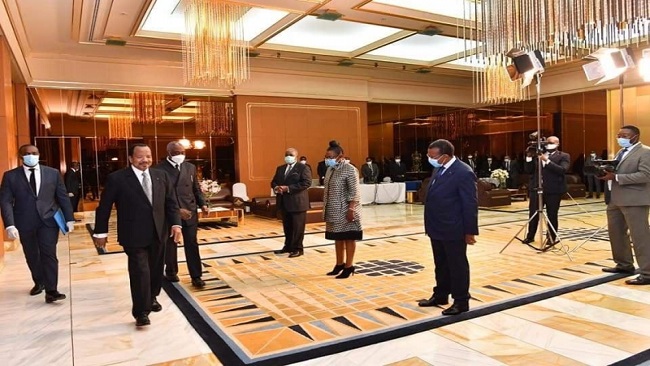
President Paul Biya, who has been in power for nearly four decades, only appeared publicly on television on May 19, pressured by the opposition and the World Health Organization (WHO) after more than two months of silence.
– No lockdown –
“We are seeing a particularly significant progression of the epidemic — it’s extremely serious,” Eugene Sobngwi, vice chairman of the health ministry’s scientific council, told state television on May 24.
Cameroon could become “the laughing stock of the world,” he said.
Rebutting such worries, Health Minister Manaouda Malachie on Monday said the case figures “should not be a cause for alarm… so far the government has been in control of the situation”.
Ze accused the government of a lax response in key areas as the epidemic began to brew.
“Cameroon did not close its land, air and sea borders until March 18 — 12 days after the first ‘imported’ case, and weeks after many other African countries,” he said.
The government was also laid back in social distancing, limiting gatherings to 50 people while other countries on the continent set a maximum of 10.
No lockdown has ever been imposed in Cameroon, and restaurants, bars and nightclubs were only forced to close after 6pm.
And those restrictions, as well as rules for distancing on public transport, were not implemented until mid-March.
Despite the late response, the impact of those measures was “immediate — Cameroonians understood there was a major problem,” said Professor Yap Boum II, an epidemiologist and head of a Doctors Without Borders (MSF) research centre in Yaounde.
A month after the start of the epidemic, the authorities required wearing of facemasks, and this too helped strengthen awareness and tighten control over the virus, he said.
But on April 30 the government abruptly eased public transport restrictions and allowed bars, restaurants and nightclubs to reopen in the evenings.
In the public’s mind, the brakes were now off, said Boum.
The move “led to an almost total relaxation of the population, as if this announcement sounded the end of the epidemic,” Boum said.
“We saw fewer and fewer people wearing masks, and more and more people in bars — and a month later we more than tripled” the number of cases and fatalities, he said.
– Back to school –
The reopening of schools and universities, another unexpected move, has been attacked as premature by teachers’ unions and parents, who have taken to social media to voice their fears.
The amount of equipment made available is “ridiculously small,” said Roger Kaffo, general secretary of the National Union of Secondary School Teachers, pointing out that the supply of 3,000 masks was not even one mask per teacher at secondary-school level.
Daniel Claude Abate, president of an association of small and medium-sized businesses and member of the ruling RDPC party, defended the government’s decision not to impose the toughest restrictions.
“We cannot afford to shut down our countries, with fragile economies, as others do,” he said.
Even so, “there should have been surveillance policy measures” to track the virus, he said, conceding the government had made “some mistakes.”
Source: AFP