
16, May 2020
Biya suffers ‘minor stroke’ 0
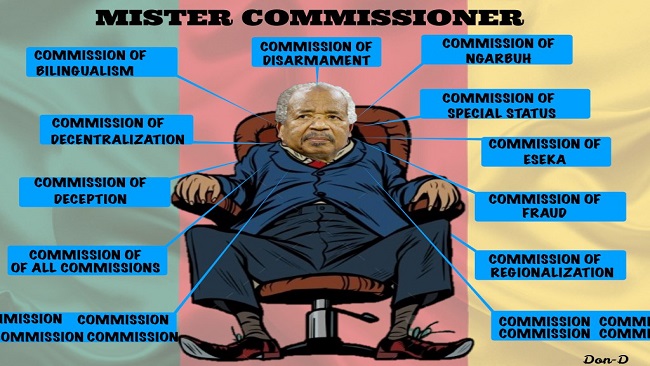
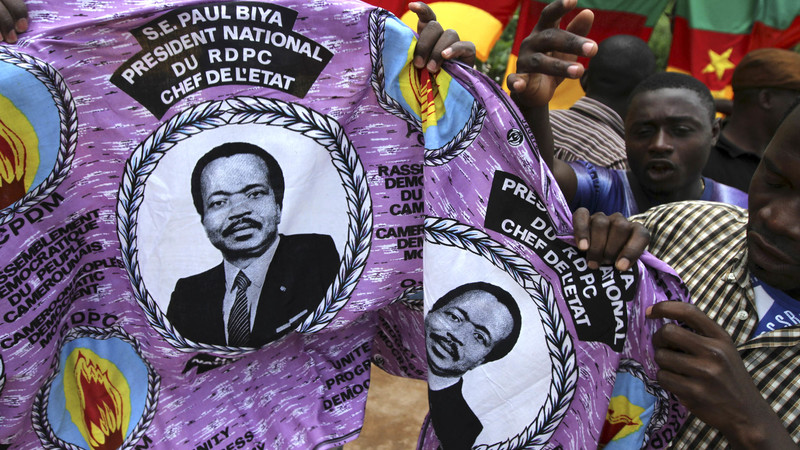
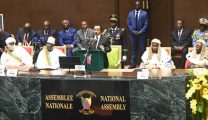
Top medics from the CNPS hospital in Yaoundé were helicoptered last night to Mvomeka’a for a medical evaluation and treatment of French Cameroun’s longtime head of state Paul Biya after what was described by Cameroon Intelligence Report sources as a minor stroke.
CIR contacts also revealed that President Biya may be flown abroad anytime soon to undergo supplementary medical examination but the Francophone dominated government is withholding news of Mr Biya’s condition.
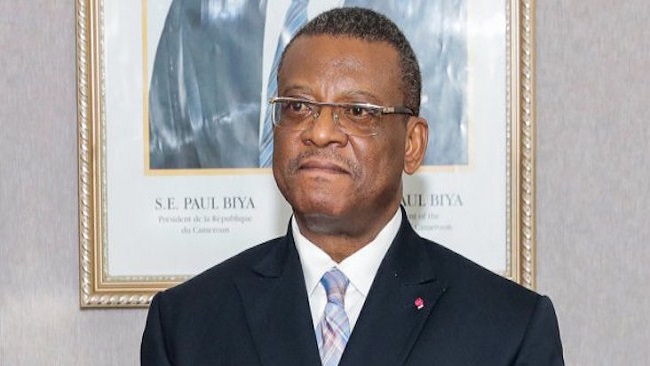
Despite numerous assurances about President Biya’s bill of health, his prime minister and head of government Dion Ngute was ordered by the presidency to announce emergency COVID-19 rules which includes terms and conditions for the reopening of schools and Coronavirus control measures for 15 days (renewable).
At the time of filing this report, an aide to the president confirmed to our Yaoundé city reporter that the president felt unwell but his condition is not serious at all. He added that initial examinations were done late yesterday and the French Cameroun Monarch will return to Yaoundé this coming week adding that his health does not cause any concern.
French and Southern Cameroonians including experts of the CEMAC region worry about the country’s stability should the 87-year-old Paul Biya depart from the political scene. He has served as head of state since 1982 despite persistent youth unemployment and corruption allegations.
By Soter Tarh Agbaw-Ebai















17, May 2020
Combating coronavirus in Ambazonia: Restoration Forces issuing resident permits to locals in Manyu 0
As the Coronavirus spreads across the world and threatens the global economy, many are concerned about their future and this fear has caused many communities to take urgent actions to keep the virus at bay.
In Cameroon, most confirmed cases of the virus are concentrated in the country’s two major cities – Douala and Yaoundé – and this is concerning to the government which fears that it might be hard to check the spread of the insidious virus in such densely populated cities.
But other cities are not waiting for the virus to come to them before they can start to take necessary precautions and actions.
In Manyu County, Amba boys are now issuing resident permits to locals and anybody who comes into the Division without their authorisation will face the wrath of the law.
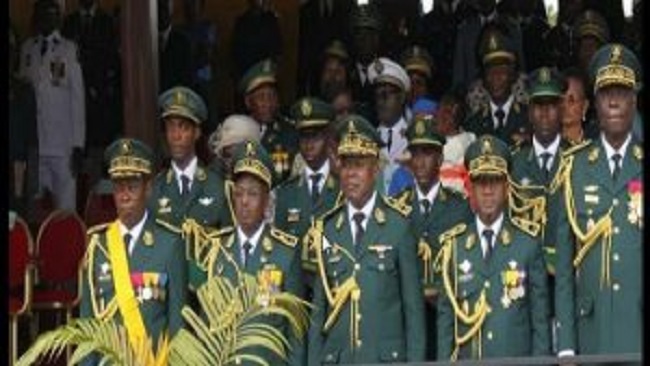
They have stepped up their checks and many check-points have been erected between Mamfe and Kumba as well as between Mamfe and Bamenda.
Any driver who carries a passenger without a resident permit to Mamfe will be flogged at the check-point and the passenger will be pulled out of the car and sent back to wherever he or she came from. The undocumented passenger is advised not to return to the Division until the world finds a cure against the Coronavirus.
According to a source close to the fighters, these measures are designed to protect the population and the fighters themselves who understand that if a single super spreader makes his way to the Division, thousands will perish, including the fighters themselves.
As usual, there is panic in towns and villages in the Division, as movement is highly restricted. The fighters, like government officials, are concerned about the arrival of the virus and health authorities are doing a great job to sensitize the population.
Besides initiatives by the government to check the spread of the virus, individual communities and villages have organized their own initiatives to raise awareness of the virus.
In Ossing, a town some 7 km from Mamfe town, residents received hand sanitizers and masks sent by some goodwill citizens of the town who are resident in other cities of the country.
Each quarter head collected the COVID-19 related materials and they are expected to help sensitize the population on how to avoid the virus.
Other towns in the division will soon witness sensitization campaigns as their elites and the Diaspora are working hard to ensure that preventive measures are taken to keep the virus far from the towns and villages of Manyu Division.
COVID-19 might be bad news to many people around the world, but the fear of this virus has resulted in greater cooperation and collaboration among many communities and towns around Manyu Division.
If these communities continue to conduct sensitization campaigns and comply with WHO protocols on how to check the spread of the virus, Manyu Division will remain COVID-19-free.
Though from time to time there are clashes between the soldiers and Amba fighters, there appears to be an understanding that the various factions have an interest in keeping the deadly virus far from Manyu Division.
The soldiers and Amba boys seem to be playing different, but complementary roles when it comes to defeating the virus.
While Amba boys are making sure that no carriers slip into the Division, government soldier are, for their part, helping administrative and medical authorities in their efforts to raise awareness of the virus.
By Soter Tarh Agbaw-Ebai