
31, January 2026
Congo-Kinshasa: More than 200 killed in coltan mine collapse 0
More than 200 people were killed this week in a collapse at the Rubaya coltan mine in eastern Democratic Republic of Congo, Lumumba Kambere Muyisa, spokesperson for the rebel-appointed governor of the province where the mine is located.
Rubaya produces around 15% of the world’s coltan, which is processed into tantalum, a heat-resistant metal that is in high demand by makers of mobile phones, computers, aerospace components and gas turbines. The site, where locals dig manually for a few dollars per day, has been under the control of the AFC/M23 rebel group since 2024.
The collapse occurred on Wednesday and the precise toll was still unclear as of Friday evening.
“More than 200 people were victims of this landslide, including miners, children and market women. Some people were rescued just in time and have serious injuries,” Muyisa said, adding that about 20 injured people were being treated in health facilities.
Source: Agencies

















3, February 2026
Southern Cameroons: sharp rise in casualties linked to improvised explosive devices 0
Cameroon recorded a sharp rise in casualties linked to improvised explosive devices in 2025. Figures released on January 29, 2026, during the 16th session of the National Commission in charge of combating the use of IEDs show that 99 people were affected last year, compared with 19 in 2024, an increase of 421%.
The toll highlights the scale of the threat across the country. The North-West, South-West, and Far North regions accounted for most incidents, with 36, 30, and 33 victims respectively in 2025. The figures include civilians as well as members of the defense and security forces, underlining the indiscriminate nature of these homemade devices.
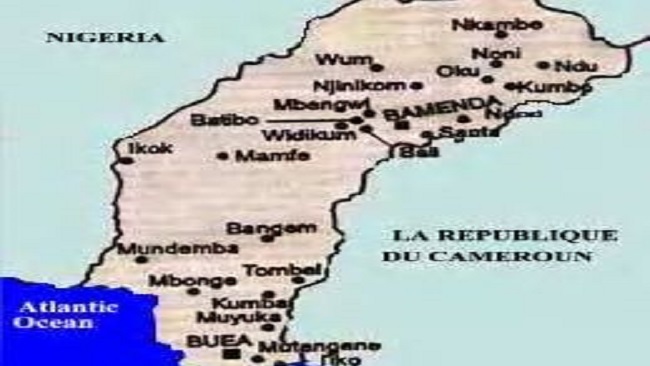
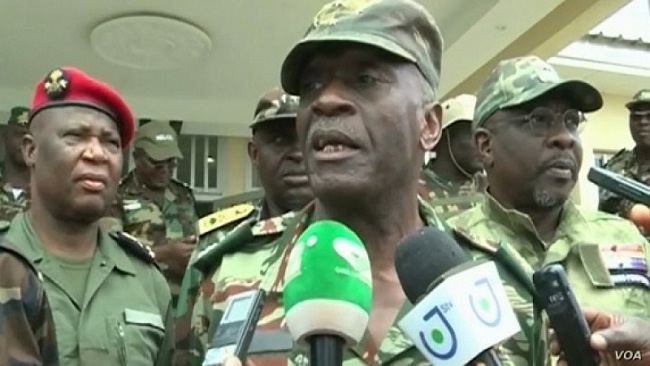
In the North-West and South-West, insecurity is linked to the sociopolitical crisis that began in late 2016 and escalated into an armed conflict in 2017 between separatist groups and state forces. In the Far North, pressure remains driven by incursions by Boko Haram since Cameroon declared war on the group in 2014. In these areas, IEDs have become “the weapon of choice for terrorist groups,” according to Brigadier General Elokobi Daniel Njock, central director for coordination at the National Gendarmerie.
In response to this trend, the commission, created in 2022 by the Presidency, issued several recommendations. These include strengthening the operational capacities of the defense and security forces through modern equipment for IED detection and neutralization, stepping up national and cross-border coordination, particularly in the Far North, to disrupt explosive supply networks, and improving medical care for the injured as well as psychosocial support for security personnel and affected communities.
Multilateral, bilateral, and subregional partners
In the fight against IEDs, Cameroon relies on multilateral, bilateral, and subregional partnerships. Working with the United Nations system, including the United Nations Mine Action Service, the country says it has obtained an initial UN level 1 certification in IED-related training.
France and the United States also support Cameroon through training and equipment. At the subregional level, engagement includes participation in the UN Multidimensional Integrated Stabilization Mission in the Central African Republic and the Multinational Joint Task Force against Boko Haram.
Authorities also say the country has a specialized laboratory, dedicated IED neutralization equipment, and trained specialists who are regularly deployed nationwide and in external operations. They stress that countering IEDs is a permanent challenge requiring constant adaptation to armed groups’ tactics, ongoing strengthening of human and material capacities, and greater public awareness of the risks.
Source: Business in Cameroon