28, February 2026
Sona Ngoh Appointed to the Board of Ziaur Rahman International Research Centre 0
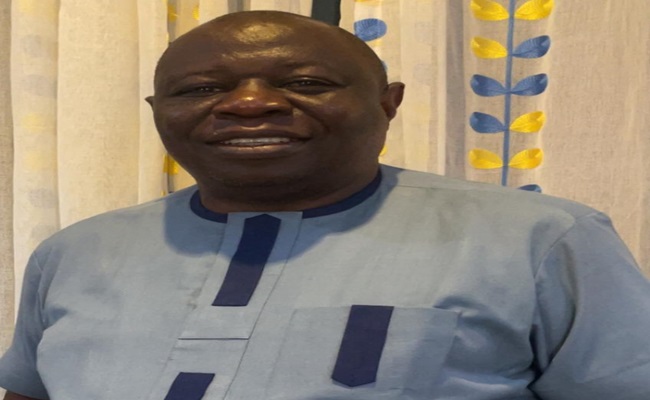
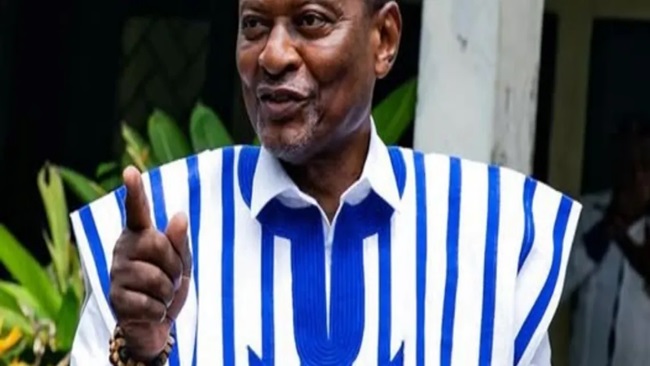
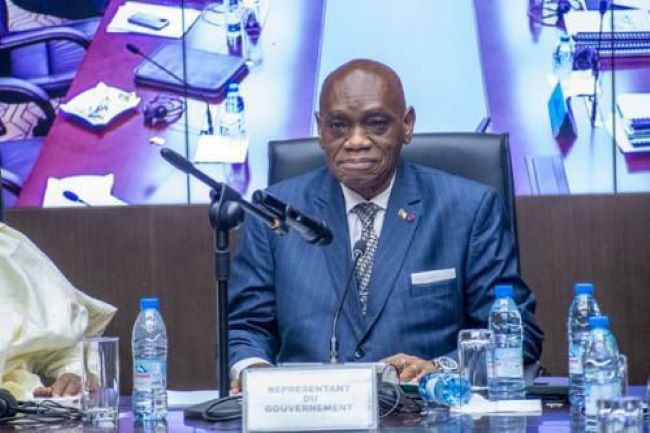
The Ziaur Rahman International Research Centre (ZRIRC) has announced the appointment of Sona Ngoh to its Board as a member of its international advisory panel, recognising his extensive professional experience and longstanding commitment to public service. He was elected from a pool of more than 100 nominees with another African MP and lawyer from Zambia, Mr Jeffery Mulebwa. Another Cameroonian, the economist, academic and former banker, Dr Rexon Nting, sits on the board as a member of the editorial committee.
Sona Ngoh is a distinguished chartered accountant with more than two decades of experience in auditing, taxation, and corporate finance. Throughout his career, he has consistently championed fiscal discipline, accountability, and transparency across both private and public sector roles. His strong command of financial systems has enabled him to contribute to sound economic management and responsible governance.
In addition to his professional accomplishments, Mr Ngoh serves as Vice President of the Committee for Finance, Infrastructure, Planning, and Economic Development at the South West Regional Assembly in Cameroon.
In this capacity, he has supported policies aimed at strengthening institutional accountability, encouraging sustainable development, and promoting economic growth for the benefit of local communities.
Mr Ngoh, as discussed by the board Chairman, Dr Mushfiqur Rahman, also brings valuable insight into governance, democracy, and human rights, developed through both research and practical engagement.
His interest in transparent institutions and inclusive development aligns closely with the centre’s mission to promote research, dialogue, and good governance.
His appointment to the Board is expected to enhance the centre’s strategic direction and strengthen its commitment to promote accountability, research excellence, and international collaboration.
He is likewise anticipated to leverage his role to deepen partnerships and commercial ties between Cameroon and Bangladesh. This will require him to frequently lead trade delegations to Bangladesh, as well as facilitate visits by Bangladeshi investors and business leaders to Cameroon and the broader sub-region that are keen to explore investment opportunities there.
He is expected in London soon for a meeting at the House of Commons with other board members.
The Ziaur Rahman International Research Centre was established as a Think Tank in London by scholars, former and current government officials, business figures, and supporters of Bangladesh who sought to honour the outstanding leadership of Ziaur Rahman, the former President and military leader of Bangladesh and founder of the Bangladesh Nationalist Party. His son, Tarique Rahman, won the elections this February 2026 and now serves as the Prime Minister of Bangladesh.
Following Ziaur Rahman’s assassination, his wife, Khaleda Zia, served as Prime Minister for many years.
By our London Correspondent













1, March 2026
Gen. Abdolrahim Mousavi, the martyred Chief of Staff of Iran’s Armed Forces 0
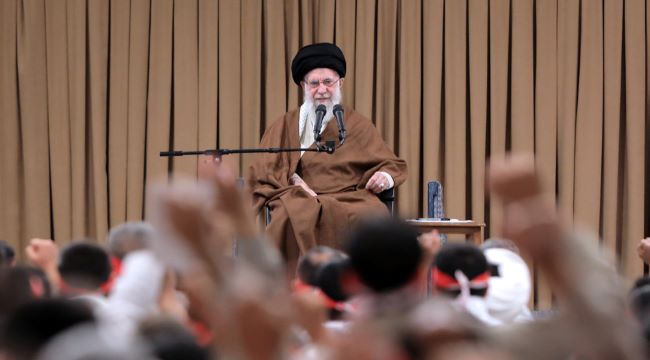
Major General Seyed Abdolrahim Mousavi, the Chief of Staff of Iran’s Armed Forces, attained martyrdom in a cowardly Israeli-American aggression on Saturday.
Leader of the Islamic Revolution, Ayatollah Seyyed Ali Khamenei, was also martyred in the Saturday aggression, alongside many top-ranking military commanders and defense officials.
Major General Mousavi succeeded Major General Mohammad Bagheri following the 12-day war in June last year and carried forward the remarkable legacy of his predecessor.
He played a particularly vital role in the June 2025 war, leading the Iranian armed forces in their retaliatory operations that forced the Israeli regime to beg for surrender.
Mousavi previously served as the commander-in-chief of the Islamic Republic of Iran Army and played an instrumental role in bolstering the might of the army.
On August 21, 2017, he was promoted from Brigadier General to Major General and appointed Commander-in-Chief of the Islamic Republic of Iran Army by the Leader, replacing Seyed Ataollah Salehi.
Later, on May 28, 2019, Ayatollah Khamenei appointed him as the commander of the Khatam al-Anbia Air Defense Base, while he continued to serve as the army’s top commander.
Mousavi was born in 1960 in the holy city of Qom in central Iran. He was a graduate of the Army’s Ground Forces Officers’ University and held a doctorate in defense studies from the Supreme National Defense University. He joined the Iranian army in 1979.
During the years of the Imposed War in the 1980s, Major General Mousavi served in the Army’s artillery unit on various fronts, including the western battlefields in Kurdistan (28th Kurdistan Division) and the southwestern fronts (33rd Artillery Group of the Ground Forces) in Khuzestan province.
He participated in many operations such as Valfajr 4, Valfajr 9, Beit al-Moqaddas 5, Qader, Nasr, and several others. He is recognized as a veteran of the war.
After the Imposed War ended in 1997, he completed the Advanced Command and Staff Course (DAFOS) and later earned a doctoral degree in defense management at the Supreme National Defense University.
From 1999 to 2005, he served as the Chief of Joint Staff of the Army, and from 2008 to 2016, he was Deputy Commander-in-Chief of the Army. Following that, from 2016 to 2017, he held the position of Deputy Chief of Staff of the Armed Forces.
Mousavi held several significant leadership positions within Iran’s military. From 1999 to 2005, he served as the Chief of Joint Staff of the Army, later assuming the role of Deputy Commander-in-Chief from 2008 to 2016.
In 2016, he was appointed Deputy Chief of Staff of the Armed Forces, a position he held until 2017, when he was named Commander-in-Chief of the Islamic Republic of Iran Army, a role he held until today.
Additionally, since May 2019, served as the Commander of the Khatam al-Anbia Air Defense Base, further solidifying his central role in the country’s military strategy and operations.
Major General Mousavi also served as the Commander of Imam Ali (PBUH) Officers’ University, where he contributed to the training and development of military personnel.
He also led the Army’s Northeast Operational Base, overseeing strategic operations in the region.
In addition, he was the Deputy for Training and the Deputy for Planning and Programs within the Army Ground Forces, playing a key role in shaping military preparedness and strategy.
Mousavi’s expertise in operations led to his appointment as the Head of Operations for the Army, and later, he became the Director of the Army Strategic Studies Center, where he engaged in high-level research and policy development.
Source: Presstv