10, September 2018
Southern Cameroons Crisis: Northern Zone hit by French Cameroun dawn-to-dusk curfew 0
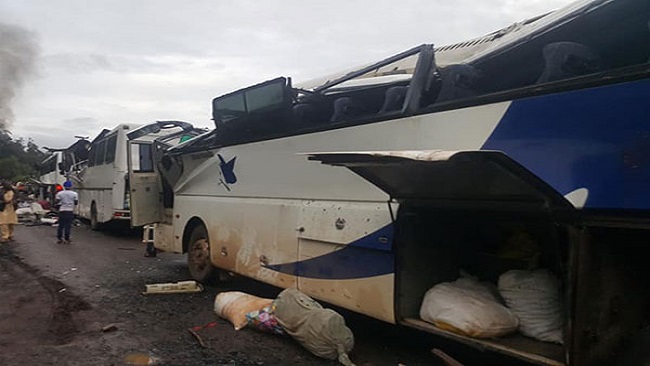
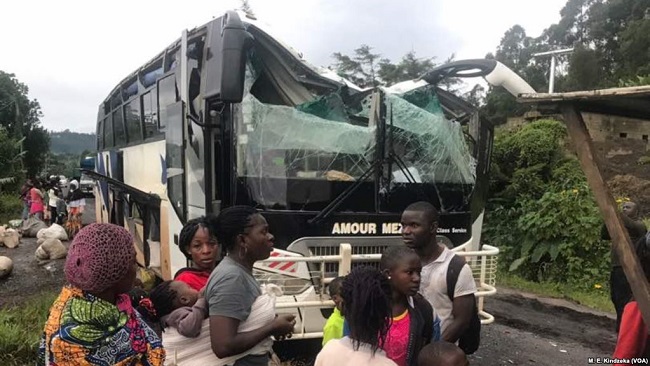
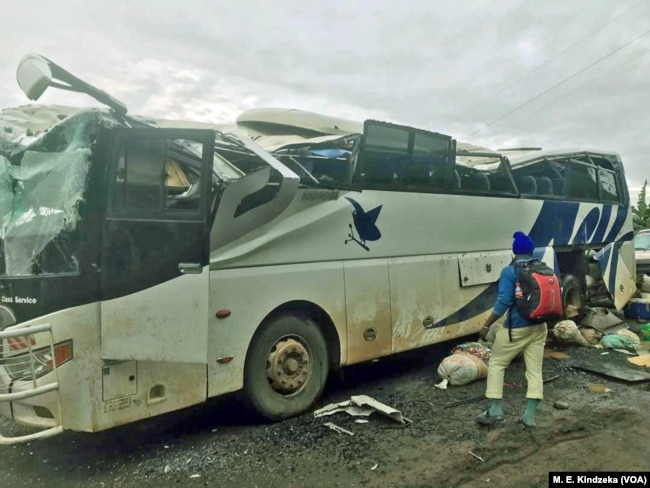
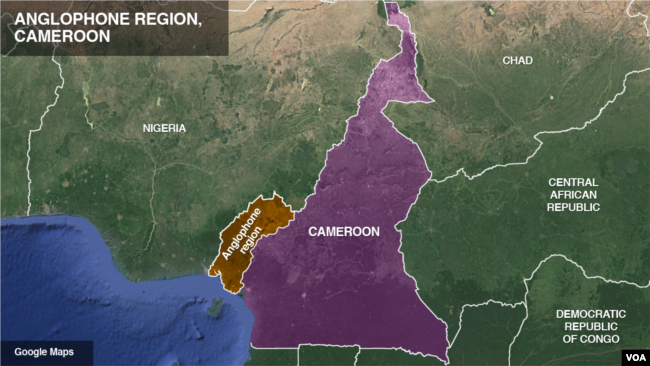
An indefinite dusk to dawn curfew has been imposed on the English-speaking Northwest Cameroon after armed separatists attacked buses and blocked access into the regional capital, Bamenda late on Saturday.
Northwest governor Adolphe Lele Lafrique said the curfew between 6pm and 6am from Sunday will remain effective till further notice.
“During the said period, movements of vehicles, persons and goods shall be strictly forbidden. All off licences, snack bars and night clubs shall remain closed….and night travel suspended,” the governor’s order reads.
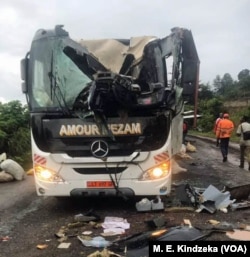
The restriction that exempts administrative authorities, law and order agencies, persons and vehicles in possession of special authorisations and ambulances, came a day after armed separatists attacked buses and passengers and obstructed movement into and out of Bamenda.
Partially damaged
Over 20 70-seat passenger buses were blocked at Akum on the outskirts of Bamenda Sunday morning, with some partially damaged.
A trader, Mr Gideon Fai, who was traveling to Douala, recounted on phone that gunmen stopped and ordered them out of their bus, then forced them to tear off the Cameroon flag from their national identity cards.
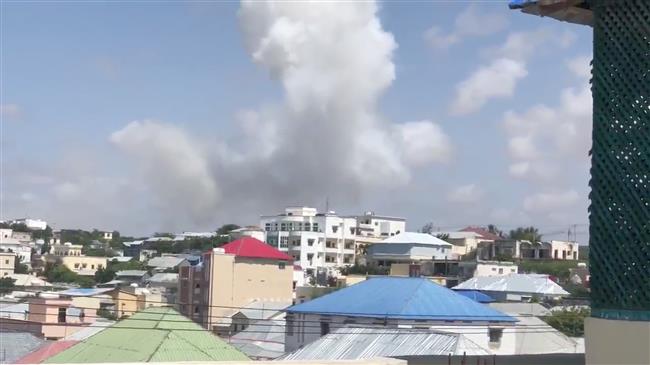
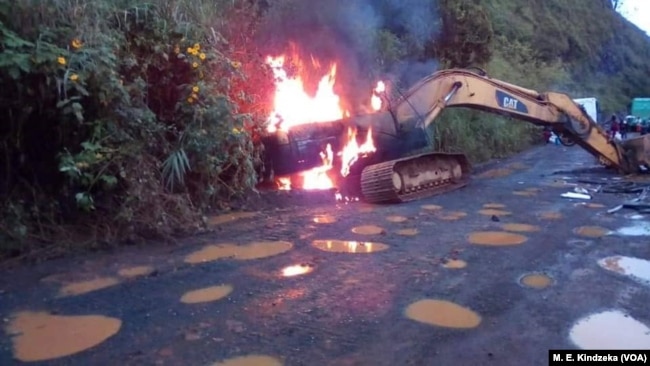
The men had dug a trench across the road with the help of an excavator from a road construction company. They later set the excavator ablaze.
Separatist groups claimed responsibility for the attack on social media, saying it was part of a plan to stop military reinforcement from other regions and also to disrupt the presidential election scheduled for October 7.
The anglophone separatist activists who have been clamouring for secession and the creation of the Republic of Ambazonia, have warned that they would not allow any election organised by the Yaoundé regime to take place in “their country”.
They have also warned that no buses would be allowed into or out of the English-speaking northwest and southwest regions after September 15.
Strikes and protests
The almost two-year long violence that has gripped the English-speaking regions started as an industrial strike by lawyers and teachers, but escalated into an internal armed conflict with fears the Central African country could slide into a civil war if the violence persists.
Violence and unrest escalated in late 2016 after a series of strikes and protests against what teachers, lawyers and students viewed as further discrimination against Anglophones. Between September 22 and October 1, 2017, large-scale protests were organised across the Anglophone regions to symbolically proclaim the independence of a new state of Ambazonia, but the government responded with violent repression.
Recurrent confrontations between armed separatists and government troops have led to the killing of dozens of people, hundreds others imprisoned while thousands have been forced out of their homes.
The UN Office for the Coordination of Humanitarian Affairs (Ocha) estimates that some 160,000 people have fled their homes in the strife-hit regions into the bushes, while more than 21,000 have crossed to next door Nigeria as refugees.
Source: The East African















11, September 2018
Cameroon No Longer Under President Biya’s Control, CPDM baron Says 0
A senior member of the Yaoundé Francophone regime has told Cameroon Intelligence Report that the country is no longer under the control of President Biya and his forces. The French Cameroun political elite who hail from the South region also said the Ambazonian Restoration Forces stand a better chance of taking control of more territory deep inside French Cameroun.
The CPDM MP and Central Committee member who sued for anonymity further pointed out that the mismanagement of the crisis in Southern Cameroons and Biya regime’s excessive use of force against innocent Ambazonian civilian population has made the situation more intractable.
An indefinite dusk to dawn curfew has been imposed on Southern Cameroon’s Northern Zone after the Minister of Territorial administration, Paul Atanga Nji and his gang reportedly staged armed attacks on buses in Bamenda late on Saturday and blamed it on the Ambazonian Restoration Forces.
Cameroon Intelligence Report understands the Francophone Northwest governor Adolphe Lele Lafrique said the curfew between 6pm and 6am from Sunday will remain effective till further notice. The attack on buses is also apparently the reason that the Francophone army retreated from the Southern Cameroons suburbs to the main motorways linking French Cameroun to Southern Cameroons.
Cameroon government sources have also reported that the 85 year-old President Biya has for the 9th time decided to split the responsibilities of his top military officers, taking away from non Beti Ewondo army generals the sole mandate for dealing with the crisis that has gripped La Republique du Cameroun in the Far North, the East and presently in Southern Cameroons.
The mandate in Buea, the chief city in the Southern Zone was recently passed partly to a Francophone colonel after General Melingui was sacked and ever since he took over control, the colonel has been responsible for military operations and repression including arrest of Southern Cameroons resistance forces. Cameroon Intelligence Report also gathered that President Biya’s relatives in the army and in the gendarmerie are now imposing a blockade on families of the Cameroon political establishment, in order to prevent them from leaving the country.
If these intelligence that were handed over to our senior political correspondent in Yaoundé are correct, they point to a very heavy pressure on Biya and his French backers, and indicate fear bordering on hysteria as to what is happening in the nation’s capital.
Despite troubling signs of a major crack within the army and the police, the highest ranks of the military billionaires are still loyal to the CPDM regime. Many junior officers who were recently deployed to Southern Cameroons simply defected and escaped to the Ivory Coast via Nigeria. It is not clear whether the Ivorian government is aware of the presence of many French speaking Cameroonian soldiers on its territory.
Violence continued over the week end as the Ambazonian Interim Government reported that several Southern Cameroons civilians were killed by Cameroon government forces in restive areas on the outskirts of Buea, Bamenda, Manyu and Wum Counties.
The deaths in the Wum and Mamfe areas included 27 teenagers and two women. The African Union and the UN Security Council are not seeking military action to end the bloodshed in Southern Cameroons.
By Soter Tarh Agbaw-Ebai