24, January 2018
Plight of Ambazonians worse than what media and Biya regime portrays 0
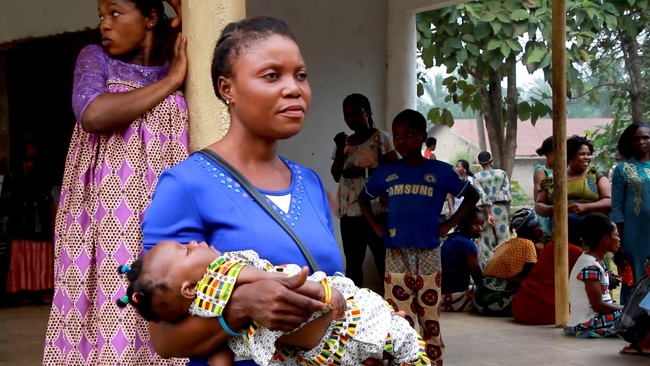
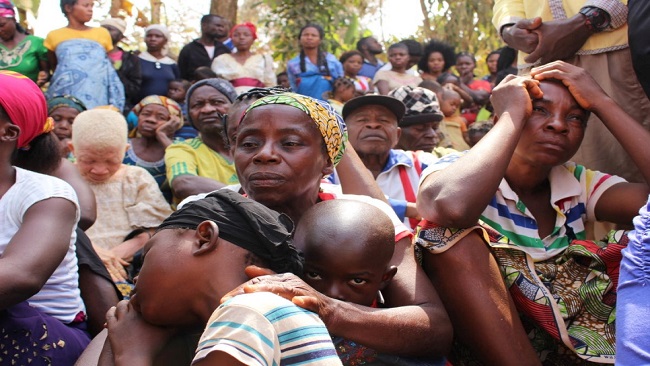
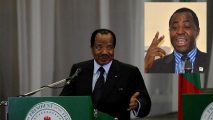
It has been revealed that the plight of Southern Cameroonians ever since President Biya declared war on the Anglophone communities is much worse than what the media and Cameroon government representatives portrays. The Ambazonia Secretary of Communication, Hon. Chris Anu was quoted as saying that the genocide in Southern Cameroons is a tragedy that’s worse than anything that Cameroonian and Nigerian media houses have been able to portray about what is happening to these people.
The UN is struggling to cope with the Southern Cameroons refugee crisis in the Cross River State in Nigeria. According to the UN, nearly 40,000 Ambazonians have fled their homeland since troops loyal to the regime in Yaoundé intensified violence on the civilian population committing killings and rapes, making arbitrary arrests, and carrying out mass arson attacks destroying houses in Kembong, Kwa Kwa and Egbekaw.
The UN has not been engaged in any diplomatic effort to resolve the crisis. The Interim Government of the Federal Republic of Ambazonia have accused the Biya Francophone Beti Ewondo regime of “ethnic cleansing” of the British Southern Cameroons minority, saying the violent bloodshed in the Manyu and Meme states had shamed the government of the 84 year-old Paul Biya.
Yaoundé and Abuja finalized an agreement early this year which facilitated the arrest of the President of the Federal Republic of Ambazonia, Sisiku Aayuk Tabe including 10 of his top aides in Nigeria. The UN says thousands of persecuted Southern Cameroonians are expected in both Benue and Cross River States in Nigeria.
Ambazonian refugees have refuse to go back unless their safety can be guaranteed by an international military force and La Republique heeds their demands for an independent state of Southern Cameroons.
Yaoundé brands more than eight million British Southern Cameroonians in the country as “terrorists and immigrants from Nigeria. British Southern Cameroonians are considered as the “most persecuted minority group in Africa.”
By Soter Tarh Agbaw-Ebai
















24, January 2018
Twin car bombings kill more than 30 in Libyan city of Benghazi 0
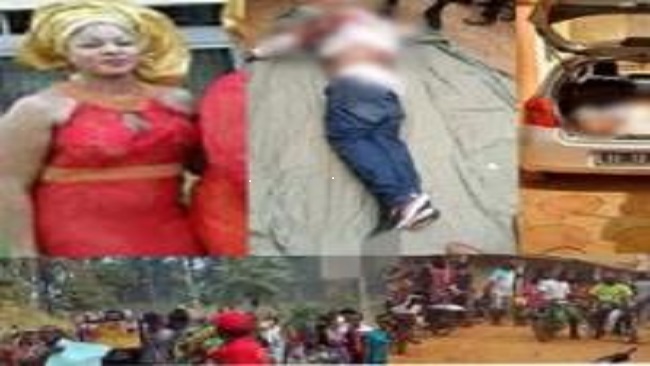
Twin car bombings outside a mosque have claimed the lives of more than 30 people and wounded dozens more in Libya’s second city Benghazi.
Security officials said on Wednesday that the bombers blew up two cars 30 minutes apart outside the mosque after evening prayers on Tuesday in the central neighborhood of al-Sleimani.
Emergency and security workers who had rushed to the scene were among those killed in the second blast.
Fadia al-Barghathi, a spokeswoman for the city’s al-Jala hospital, said that the facility received 25 dead and 51 wounded. Spokesman Khalil Gider said that the Benghazi Medical Center received nine dead and 36 wounded.
Health officials said many of the wounded were in critical condition and the death toll was likely to rise.
Military spokesman Milud al-Zwei said Ahmad al-Fituri, a security official for Khalifa Haftar forces, was also among those killed.
Benghazi has been relatively calm since military strongman Haftar announced the eastern city’s “liberation” from militants in July last year after a three-year campaign.
Haftar, who supports an administration based in the east of the country has declared three days of mourning following the attack. Haftar’s opponents accuse him of wanting to seize power and establish a military dictatorship.
A UN-backed unity government based in the capital Tripoli, the Government of National Accord (GNA) condemned the attack as a “terrorist and cowardly act.” The GNA has struggled to assert its authority outside the west.
The UN Support Mission in Libya (UNSMIL) strongly denounced the bombings as “horrific” and warned that “direct or indiscriminate attacks against civilians… constitute war crimes.”
The UN-backed government of Libya has yet to exert its control over much of the oil-rich North African country as a rival administration in the east and its powerful army continue to challenge Tripoli’s rule as they rely on support from some of Libya’s neighbors and certain rich Arab states.
Libya has been wracked by violence and divisions since dictator Muammar Gaddafi was toppled and killed in a 2011 NATO-backed military invasion.
A series of fierce clashes between rival militias at Tripoli’s airport last week left 20 dead and forced the cancellation of all flights for five days.
Source: Presstv