13, June 2018
Southern Cameroons War: A Biya-Buhari miscalculation 0
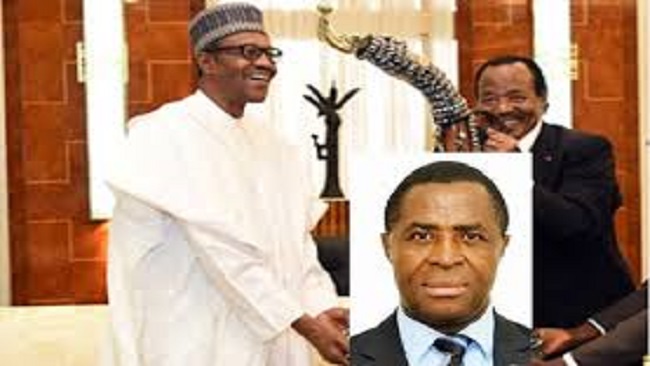
In a perfect political scenario, the next head of state of the so-called One and Indivisible Cameroon should have come from the Anglophone regions of the country. 20th May 2018 marks the 46th anniversary of the Cameroonian nation and President Biya was convinced Cameroon would boast the largest economy in the CEMAC region and the Eldorado of peace deep within the African continent. The Francophone dictator was also confident that the two year running conflict with the people of Southern Cameroons which has claimed 2000 lives since 2016, would finally be over. Now, the ground has shifted, in part due to Biya and President Buhari’s miscalculation that by abducting and extraditing the Acting President of the Federal Republic of Ambazonia, Sisiku Ayuk Tabe Julius to Yaoundé, the Southern Cameroons resistance would quickly collapse, especially if Nigeria lent its full support to French Cameroun.
But, as we now know, the Federal Republic of Ambazonia and its leadership are still alive and active and Sisiku Ayuk Tabe by extrapolation is still in power and after two years of fighting, Nigeria is now home to more than 40,000 Southern Cameroonian refugees and facing growing crises in the Cross River and Benue States. In Yaoundé, the army is at war with itself combating internal disintegration. In addition, the Interim Government of the Federal Republic of Ambazonia presently controls a large portion of the rural communities in Southern Cameroons – a concern for both the French government backing Biya and the international community. With age telling on Biya and succession palaver rocking the ruling CPDM crime syndicate, nobody in La Republique du Cameroun knows what Mr. Biya is most concerned with right now. The crisis in the Central African Republic has spilled over into the East region of Cameroon and the situation is becoming more intractable.
The current breakdown in Francophone and Anglophone relations in Cameroon is due to the Biya regime seeming indifference to the crime against humanity situation playing out in Southern Cameroons. Biya is running out of cash and can no longer handle the hydra-headed crisis in the Far North, East and in Southern Cameroons with arms and ammunition. The strategy now has been to blame it all on the US ambassador to Cameroon, His Excellency Peter Barlerin. Southern Cameroons has already fallen out of Yaounde’s control. What the two Cameroons need now is peace talks.
It will be an unfortunate situation if peace talks do not begin soonest. Recently, the mayor of Mamfe, John Ayuk Takunchong made an appeal for inclusive dialogue that depicted the deteriorating security situation in the Manyu County. The Biya’s senseless war in Southern Cameroons has cost more than 14 million dollars – money that could have been better spent on developing the economy and infrastructure. The bitter truth is the Ambazonian people were subjected to a systematic and often brutal assimilation policy after reunification. The outcome is the Interim Government of the Federal Republic of Ambazonia.
Nonetheless, from the perspective of the US chief diplomat in Yaoundé, the time to achieve a lasting peace has arrived as a result of the 2018 presidential elections without Biya as a candidate. The reasons for both Cameroons to dialogue are in a multiple. Firstly, Biya and his ruling CPDM party no longer have a strong majority government and military support even among French speaking Cameroonians. Secondly, the Cameroonian economy is not performing well. The young populations in both Cameroons are migrating out of both French and Southern Cameroons in hundreds if not thousands. Furthermore, majority of the junior Francophone army officers now appear unwilling to support the Biya government and many are simply fed up with the never-ending deployment and unrest – especially when just across Cameroon borders they can see the important economic progress of countries like Gabon, Equatorial Guinea and even Congo-Brazzaville.
It’s ironic that Biya’s attempt to crush the Anglophones and destroy the Ambazonian Interim Government has unintentionally led to increasing unrest inside his own country – French Cameroun which could lead to more Cameroon government soldiers dying. Moreover, is it really in French Cameroun’s best interests to be killing innocent Southern Cameroonian citizens including women and children and prolonging the war? Certainly, there’s no easy way forward for the Yaoundé government no matter what choices are made including ousting Biya from power. However, we of the Cameroon Concord News Group can’t help thinking that the most realistic strategy for French Cameroun is to send Biya parking and adapt to the advent of Southern Cameroons autonomy and by doing so make it French Cameroun-friendly. Do it before “wata na wata” takes all of us away. A stitch in time saves nine
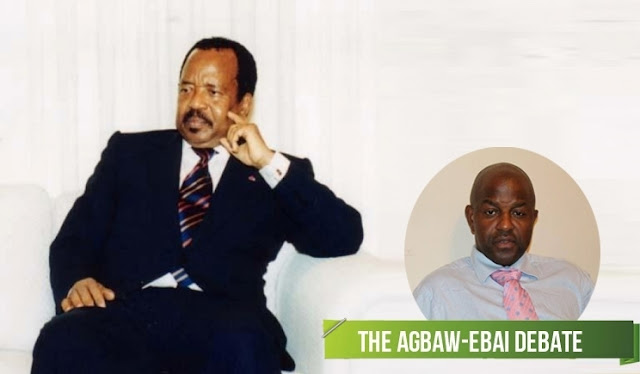
By Soter Tarh Agbaw-Ebai
















15, June 2018
Angola’s president says in talks with DR Congo’s Kabila about political transition 0
Angola’s president, Joao Lourenco has said his government is ‘talking regularly’ with the Congolese president, Joseph Kabila as it monitors the political situation in the restive country.
Lourenco, who was speaking exclusively to Euronews, said the talks with Kabila are advisory in nature and that its up to the Congolese president to ‘follow the advice or not’.
‘‘All we want is this agreement to be fulfilled, because we understand that failure to do so can lead to political and social turmoils that will not be very pleasant to the Congolese people and to the neighbors themselves including Angola,’‘ Lourenco said.
Kabila’s final term came to an end in 2016, but he has remained in office via a constitutional provision that allows him to stay until his successor is elected. The government has postponed elections several times, citing logistical challenges. The latest date set for elections to replace Kabila is December 23, 2018.
Kabila keeps the country guessing
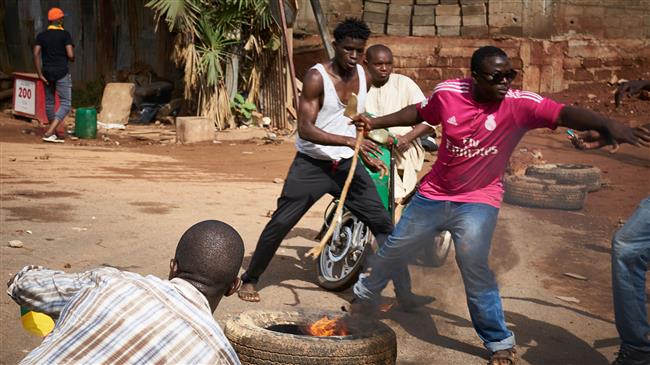
The opposition, working together with the powerful Catholic Church in the country has organised protests and demonstrations asking Kabila to declare that he will not seek re-election, but many of these protests have been met with repression by the country’s security agencies.
Two weeks ago, Lourenco met with Rwanda’s president, Paul Kagame and French president Emmanuel Macron to discuss the situation in Congo. Authorities in Kinshasa protested the meeting saying they would not accept any foreign led solution reached without their participation.
Congo’s neighbours have in the past expressed fear that should Kabila insist on violating the constitution to seek another term, the chaos resulting from the political fallout could further destabilise the country and the region.
The opposition has expressed concern over several actions of the ruling party including erection of Kabila billboards and posters across the country, and a promotional video released a week ago highlighting the achievements of Kabila’s presidency.
An intervention by DRC’s neighbours?
Asked whether Angola and its partners would intervene in case Kabila violates the agreement and Congo is plunged into great instability, Lourenco said ‘any intervention would be made in the interest of stability for all’.
In the past, political turmoil in the vast nation has drawn in up to 9 countries including Uganda, Rwanda and Angola.
Source: Africa News