
5, June 2019
Cameroon: What the UN Regional Office for Central Africa Reported to the Security Council 0
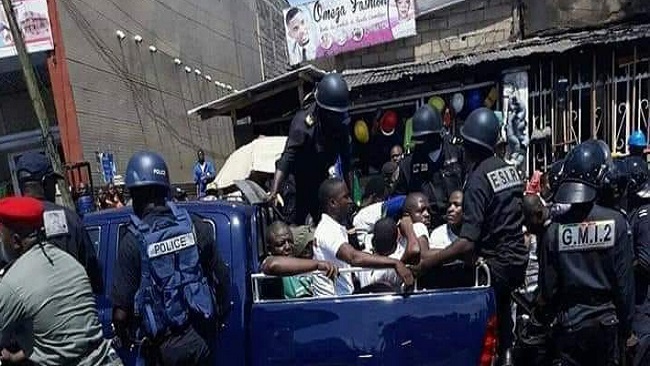
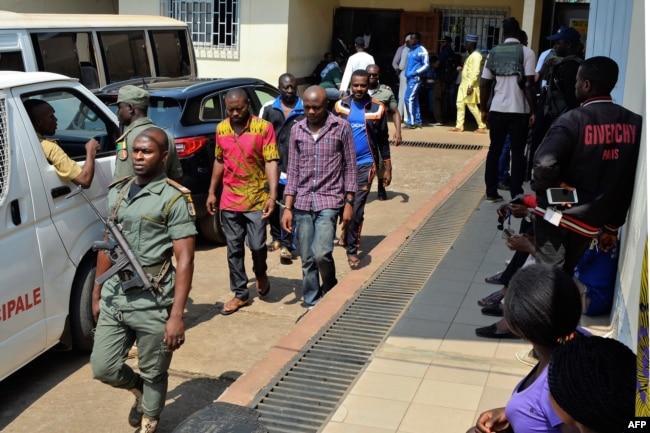
In Cameroon, President Biya appointed a new Government on 4 January, which included 11 women. More than half of the country’s 60 ministers were replaced. As legislative and municipal elections remained postponed by presidential decree, supporters of the main opposition parties called for a revision of the electoral law. Meanwhile, on 5 April, Parliament enacted a law on decentralization to determine the number of regional councillors. On 26 January, protests erupted in major cities throughout the country, eliciting a violent response by internal security forces and triggering mass arrests. Those arrested included several Members of Parliament from the Social Democratic Front and the leader of the Cameroon Renaissance Movement, Maurice Kamto, together with 200 of Mr. Kamto’s supporters, who are currently standing trial before a military tribunal on charges that include rebellion, insurrection and public disturbance. Some of those charges carried the death penalty. In an interview broadcast on 19 March, the spokesperson for President Biya announced that the President would reject dialogue with Mr. Kamto, who had requested a face-to-face discussion.
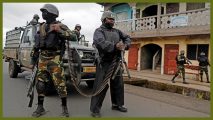
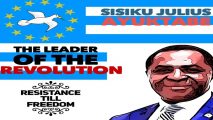
The security situation in the North-West and South-West Regions of Cameroon remained of serious concern, with a new wave of kidnappings and killings in early 2019. On 24 January, the leader of the separatist group, Southern Cameroons Defence Forces, was reportedly killed by the national armed forces. In February, nearly 70 people were killed during a separatist-imposed 10-day lockdown to disrupt National Youth Day activities in the two regions. On 11 February, an arson attack on the Kumba District Hospital in the South-West Region resulted in at least four patients killed and several others injured. On 19 March, the former Secretary of State in charge of secondary education was kidnapped from his residence in Bamenda by suspected secessionist fighters. On 20 March, 16 students were abducted from the University of Buea by unidentified gunmen. The Government accused the secessionists of the abductions. The authorities announced their intention to carry out investigations into alleged human rights violations by security forces in the affected regions, but no outcome was made public.
Culled from Reliefweb














5, June 2019
Yaounde: Opposition denounces mass arrests 0
Cameroon’s opposition on Sunday denounced the arrests of more than 350 supporters at demonstrations calling for the release of their jailed leader, and criticised the refusal to grant them access to lawyers.
Maurice Kamto, the country’s main opposition figure, who has been held in jail in Yaounde since January, issued a statement via his spokesman decrying “excessive and unjustified use of violence” at the demonstrations held on Saturday.
According to Kamto’s Movement for the Rebirth of Cameroon (MRC) party more than 350 people were arrested, including 180 at Yaounde and 100 in the western city of Nkongsamba.
The party also said that those arrested were denied access to lawyers or any medical aid. Contacted by AFP Saturday, Cameroon’s communications ministry did not respond.
The MRC has been organising demonstrations since the October 2018 presidential election. According to official results, Kamto came second but the MRC says the vote was rigged in favour of President Paul Biya, who has been in power for 36 years.
As well as Kamto, more than 150 of the party’s activists were also imprisoned after one such march at the end of January.
In February, they appeared before a military tribunal in Yaounde accused of “insurrection, hostility to the homeland (and) rebellion”, offences which carry a possible death penalty.
Their lawyers have appealed to the UN working group on arbitrary detention over the arrests.
EU foreign policy chief Federica Mogherini criticised the arrests in March and what she called the military court’s “disproportionate” proceedings against them.
US assistant secretary of state for African affairs Tibor Nagy said in March that Cameroon would be “very wise” to release Kamto because his detention is widely perceived as politically motivated.
The government has rejected the international criticism.
On Wednesday, French Foreign Minister Jean-Yves Le Drian told his parliament’s foreign affairs committee that he was “very concerned” by the plight of Maurice Kamto and wanted to see him released.
As well as the political crisis, former French colony Cameroon is wracked by a conflict between separatists and government forces in its English-speaking west, combined with an influx of refugees from the Central African Republic and Nigeria.
Source: AFP