22, July 2025
92-year-old Biya struggling to woo young Cameroonians 0
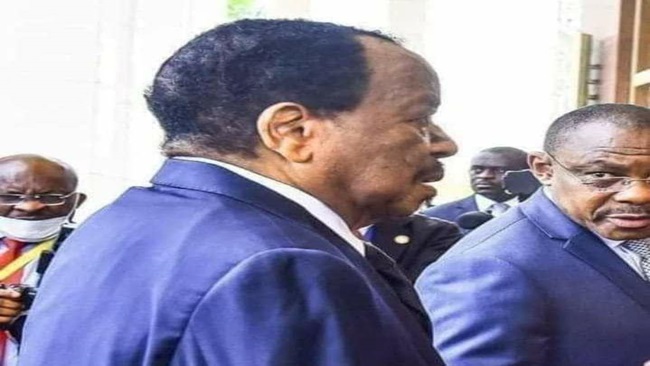
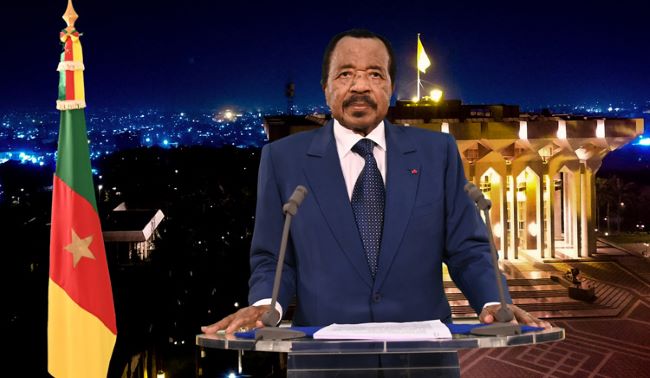
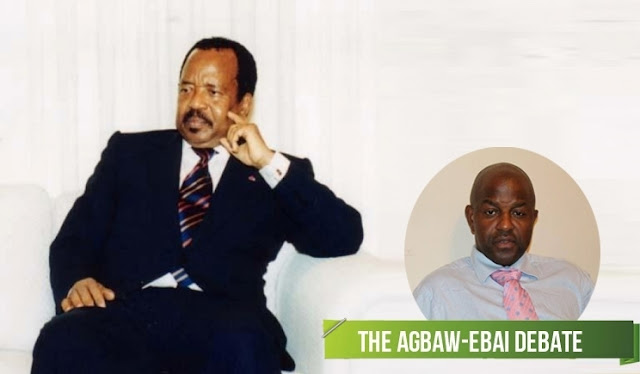
92-year-old president Paul Biya is struggling to get the support of young Cameroonians.
Even before the world’s oldest president announced that he will seek an eighth term in office, his social media profiles left experts in no doubt.
By the time 92-year-old Biya announced last week that he would run for re-election as Cameroon’s president, he had already been increasing his online presence for several months.
Daily posts on Facebook and X (previously Twitter) represent a significant break from his earlier, infrequent participation.
However, analysts tell the BBC that Biya’s attempts to win over young people ahead of the October election are likely to fail.
“Cameroon has over 5.4 million social media users, but 95% of young people rely on WhatsApp – a platform where presidential communication is nearly non-existent,” says Rostant Tane, the director of Media Intelligence Sarl and author of the Cameroon 2024 Multimedia Audience Study.
“There’s no regional segmentation, no interactivity, and very little effort to speak the digital language of young people,” he adds.
“Many know that it is not Paul Biya himself who is writing – which creates distance and limits trust,” says Hervé Tiwa, a lecturer in communication sciences.
“Their communication remains very top-down without any real interaction – comments ignored or deleted, a lack of personalised responses… This gives the impression of a strategy that is more cosmetic than participatory.”
Cameroon’s population is overwhelmingly youthful. Over 60% of the population is under the age of 25, and more than half of the electorate is under the age of 30, implying that they could influence the election’s outcome.
“Political communication must serve democracy and transparency and not just be used as a marketing tool,” says 27-year-old communications specialist Ulrich Donfack.
Youths want to see concrete action on issues that affect them, agrees Falone Ngu, who is also 27.
“Cameroon’s youth are not just looking for flashy graphics or slogans in the media! They want opportunities, change and hope,” says the social enterprise founder, who did reserve some praise for the president’s social media team for realising that “leadership and digitalisation go hand in hand”.
Unemployment is high in Cameroon, with even the most qualified young people holding multiple university degrees struggling to find work. Corruption and security are also major concerns.
Instead of focusing on those difficulties, numerous posts on Biya’s social media sites highlight his 43-year record in power, which occurred before much of the population was born.
According to communication strategist Aristide Mabatto, Biya’s team is currently distributing snippets in French and English from over 300 speeches the president has given over the years.
One recent, poignant example was based on a speech from 2000 that chastised people for lecturing others but not preaching by example. That came just two days after one of Biya’s most steadfast allies condemned his rule and abandoned him.
Source: Chronicle.ng
















23, July 2025
Over 80 apply to run for the Unity Palace 0
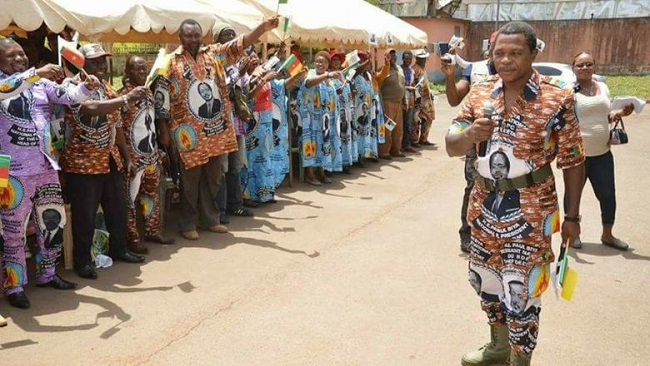
Over 80 candidates have submitted applications to run for Cameroon’s presidency, said the country’s electoral body Elections Cameroon (Elecam) on Tuesday.
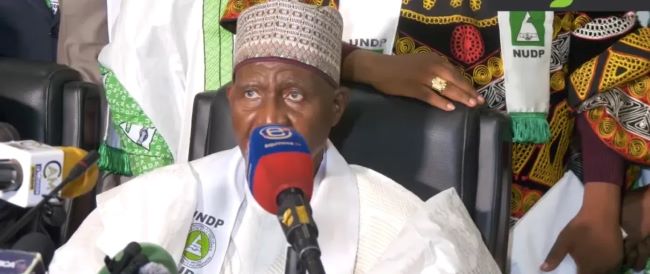
On the list of applicants released by Elecam were incumbent President Paul Biya, and opposition leaders Maurice Kamto and Joshua Osih.
Two former ministers and allies of Biya, Issa Tchiroma Bakary and Bello Bouba Maigari, also applied for the presidential candidacy, which involves seven females and 26 independent candidates.
The final list of those qualified to run for the election will be published 60 days before the voting day after Elecam reviews the applications.
The presidential election will begin on Oct. 12.
Source: Xinhuanet