26, March 2019
US will not ‘stand idly’ as Russia dispatches troops in Venezuela 0
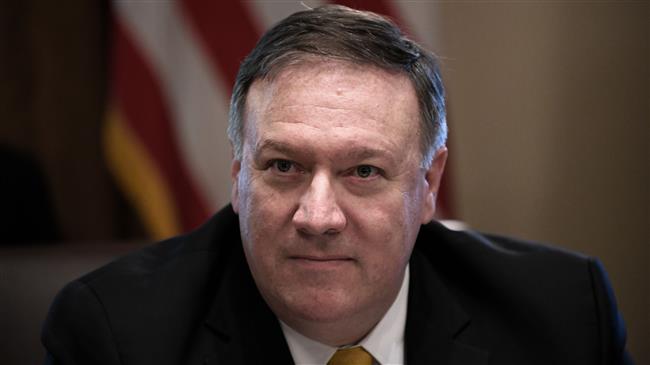
Secretary of State Mike Pompeo warned Russia Monday the United States will not “stand idly by” as Moscow inserts military personnel into Venezuela to support the regime of President Nicolas Maduro.
In a phone call with Foreign Minister Sergei Lavrov, Pompeo denounced the growing Russian military reinforcements as prolonging the political crisis in the South American country.
Pompeo told Lavrov “the United States and regional countries will not stand idly by as Russia exacerbates tensions in Venezuela,” the State Department said in a statement.
“The continued insertion of Russian military personnel to support the illegitimate regime of Nicolas Maduro in Venezuela risks prolonging the suffering of the Venezuelan people who overwhelmingly support interim President Juan Guaido,” he said.
Sergei Lavrov reacted later on Monday by releasing a statement accusing the United States of plotting a “coup” against Venezuelan President Nicolas Maduro.
Guaido is supported by the United States and most Latin American and European nations but he retains the support of Russia and China, US rivals who have offered political and economic support to him.
Pompeo urged Russia to “cease its unconstructive behavior” and support Guaido.
(FRANCE 24 with AFP)



















27, March 2019
Algeria: Army chief calls for President Bouteflika to be ‘ousted’ 0
Algeria army chief says the presidency should be declared vacant the latest move in efforts to get ailing president Abdul Aziz Bouteflika to leave office.
Chief of Staff Gaid Salah’s call is thus seeking the application of article 102 of the constitution which stipulates that a president can be removed from office if he is unable to execute his duties.
His address was carried by the El-Bilad TV network as he addressed top military officers. Political watchers hold that it could be the main reason that Bouteflika could be forced to resign.
“The solution that must be adopted to end the crisis and answer the legitimate demands of the Algerian people is the solution that guarantees the sovereignty of the constitution and the continuity of the state,” Gaid Salah stressed.
The North African country has for months now been roiled by anti-government protests demanding the immediate resignation of Bouteflika at a time he was preparing to contest in April polls.
Under mounting pressure, the president announced earlier this month that he was not going to contest in the polls but that he was going to remain in charge till his successor was chosen.
Source: Africa News