27, June 2018
President Putin says US-Russia relations not in ‘best state’ 0
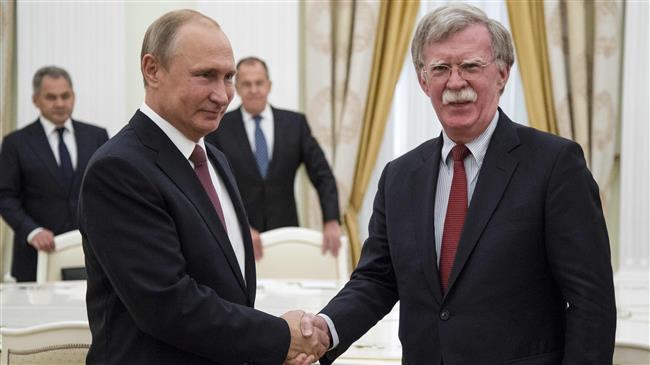
Relations between Russia and the US are not in the “best state” these days, Russian President Vladimir Putin has told visiting US National Security Adviser John Bolton, citing the ongoing political discord in America as the main reason.
The parties expressed their willingness to search for ways to enhance bilateral relations.
“Unfortunately, I have to say that Russian-US relations are not in their best state now,” Putin said at a meeting with Bolton at the Kremlin on Wednesday. “I have said this in public on many occasions, I would like to repeat at this meeting with you. I believe that to a great extent this is the result of a bitter internal political struggle in the US.”
The Russian head of state expressed hope that the visit would pave the way for restoring ties.
“Your visit to Moscow provides us with hope that we will be able to take at least the initial steps towards restoring full-fledged relations between our countries,” Putin said. “Russia has never sought confrontation.”
Ties between the Kremlin and the White House have fallen to a new low under US President Donald Trump.
US intelligence services have accused Russia of cyber interference in America’s democratic process, specially during the 2016 presidential face-off between Trump and his Democratic rival, Hillary Clinton.
Trump, who has been willing to extend ties with Moscow, is currently the subject of a high-profile investigation for alleged “collusion” with the Kremlin.
Moscow and Washington have also clashed on a range of other issues, including the war in Syria, the Ukraine conflict and the 2015 Iran nuclear deal.

Putin told Bolton that both sides should explore ways “to mend full-fledged relations based on equality and respect for each other’s interests.”
Trump’s national security advisor said he wanted to discuss boosting Russian-US cooperation in the areas where both sides see eye to eye.
Hailing Putin’s summit with Trump on the sidelines of the G20 summit in Germany in July last year, Bolton assured the Russian leader that Trump was committed to improving ties.
Earlier in the day, Bolton sat down for talks with Russian Foreign Minister Sergei Lavrov in a meeting that revolved around bilateral ties.
“The parties held an exchange of opinions on the topical issues of the international agenda, including the situation around Syria and in Ukraine,” Russia’s Foreign Ministry said in a statement.
“Considerable attention was paid to the issues of bilateral relations,” it added.
Source: Presstv






















29, June 2018
Southern Cameroons Crisis: Hopes are high for Biya to announce reforms 0
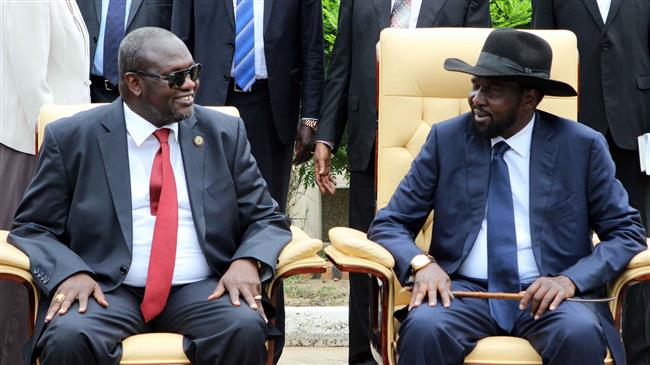
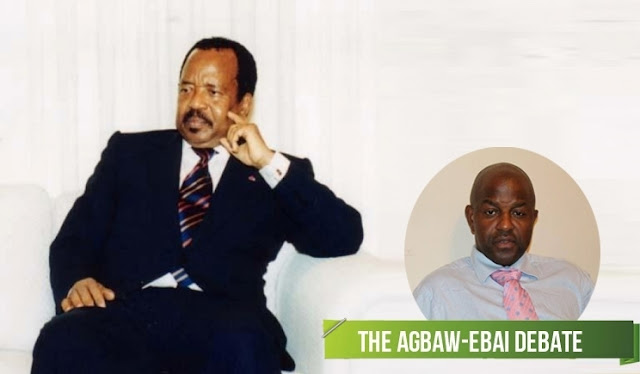
President Biya now has an opportunity to announce significant reforms that could help him get a respectable exit from the Cameroon political scene and de-escalate tensions with Southern Cameroonians.
The 85 year-old monstrous liability of a head of state is due to meet with the US and French ambassadors to discuss the way forward for the crumbling nation and the Interim Government of the Federal Republic of Ambazonia will be watching for remarks on the war in Southern Cameroons that has claimed the lives of more than one thousand Ambazonians.
It’s hoped Biya will say something specific enough and tangible enough to give Ambassador Peter Barlerin of the United States and French chief diplomat Gilles Thibault confidence that he will be stepping down as president of the republic and that negotiations will begin with Southern Cameroons leadership soonest.
Our senior correspondent in Yaoundé who contributed to this report said the question on the table is how big the Biya reform package will be and how specific it will be vis-à-vis the war in Southern Cameroons.
French President Macron has reportedly made a dramatic u turn after pressure came from the Trump administration and Paris has dispatched the French Secretary of State at the Ministry of European and Foreign Affairs to Cameroon to discuss the war in Southern Cameroons with French Cameroun authorities.
Jean-Baptiste Lemoyne has been quoted as saying that confidence building measures between Francophones and Anglophones are necessary at this time to de-escalate the tensions. Washington has long pressed Biya to step aside honorably or face devastating consequences. Not only will Biya resigning help heal the Southern Cameroons-French Cameroun relationship; it will also benefit the one and indivisible Cameroon theory.
A well-placed source deep within the Francophone regime in Yaoundé hinted this reporter on Thursday that Biya will begin with reforms aimed at getting a new head of state because it is the right thing to do.
Biya’s previous calls for dialogue and the so-called humanitarian package have all been described as a little bit too little. The United States is seeking immediate action from Biya that goes beyond fake promises of dialogue and aid to Ambazonians.
By Soter Tarh Agbaw-Ebai
Cameroon Concord News Group