
15, March 2018
Biya says the government is winning the war against Ambazonia 0
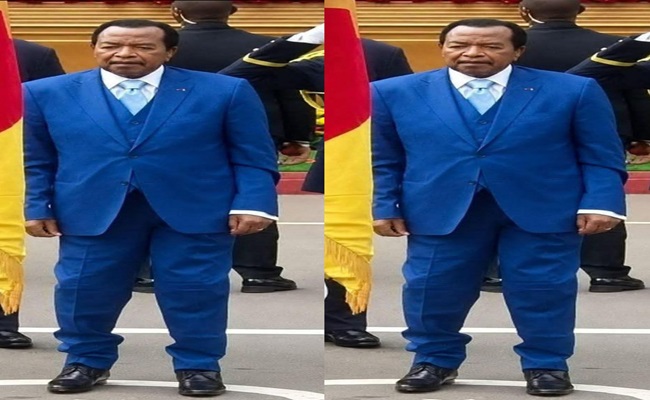
Cameroon’s President Paul Biya, on Thursday held his first cabinet meeting since 2015 and on the back of a recent reshuffle. The event took place at the Unity Palace (presidency) in the capital Yaounde.
According to a statement on the website of the presidency, Biya’s address to his appointees centered around security, decentralization, upcoming elections and the hosting of the African Cup of Nations among other issues.
Reuters reports that there was no explanation of why he had called the session and no other officials were permitted to speak about what went on in the conclave.
Portions of Biya’s address focusing on security said the government was winning the fight to secure the country’s Anglophone regions and the Far North – which is riled by incessant attacks from the Boko Haram group.
“Thanks to the firm action of our defence and security forces, we have been able to drastically curb the atrocities perpetrated by criminal groups in the Far North, North-West and South-West Regions.
“Efforts in that regard need to be continued, especially to ensure that economic and social activities return to normalcy,” he added.
The president had told his cabinet that “the best way to serve the country is to do everything, to make all the sacrifices that are needed,” the prime minister said.
“There are a lot of things to do,” Biya had added, singling out the Africa Cup of Nations annual soccer tournament that Cameroon is to host next year, and the presidential election in October this year.
Biya has ruled the Central African nation since taking over from a retired predecessor in 1982 and then winning an election by 99.98 percent a year later.
The meeting came as Cameroon faces a violent separatist movement in its western Anglophone region that a military crackdown has failed to quell. The rest of Cameroon speaks French. In an apparent attempt to smooth it over, Biya appointed two officials from the region to top positions earlier this month.
The economy has been sluggish because of low prices for its main exports oil and cocoa, and falling crude oil production. It was not by helped a shutdown in the economy of its restive Western region, which before the first crackdown in 2016 was becoming an unlikely hub for start-up tech firms.
Cameroon currently ranks 153rd on the U.N. Human Development Index, and average life expectancy is 56.
At the last council in October 2015, shortly after a sweeping reshuffle, Biya was similarly pre-occupied by sport, according to local press reports. He ordered ministers to “accelerate preparations for the important sports celebrations” that Cameroon was to host, namely the men’s African Cup of Nations match next year and women’s one that was held in 2016.
Outside of such meetings, Biya often meets his ministers at the airport between private trips abroad with his wife Chantal, famed locally for her luxurious dresses and bouffant hairdo. Their favourite destination is Switzerland.
Source: Reuters













15, March 2018
Yaounde: Biya to pursue crackdown on Southern Cameroonians 0
Cameroon’s long-ruling President Paul Biya today convoked a rare cabinet meeting and vowed to push ahead with a military crackdown on English-speaking separatists in the francophone country.
The west African country has had a tortuous colonial history that saw it pass from German rule to French and British hands and the anglophone minority complain of being marginalised by the French-speaking elite.
“The efforts (of the security forces) must be continued, especially to ensure a return of normal economic and social activity,” Biya told the first cabinet meeting held since 2015.
On October 1, separatists declared two regions as the self-proclaimed republic of “Ambazonia”, marking a turning point for the country’s English-speaking minority, which makes up around a fifth of the population.
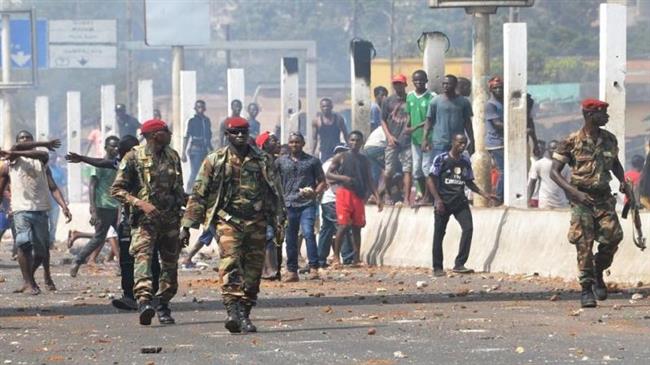
Biya dispatched troops, combat helicopters and armoured vehicles to root out the dissidents, forcing tens of thousands to flee to neighbouring Nigeria.
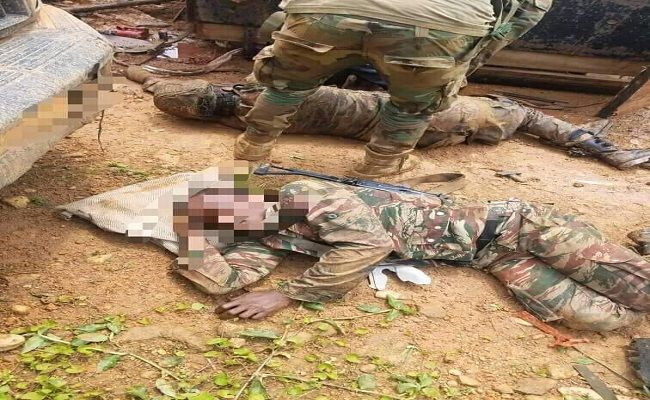
At least 28 soldiers have been killed in the violence, according to an AFP tally, and two state employees have been kidnapped.
The civilian death toll remains unclear, as non-governmental organisations and independent media are barred from the area.
Though the original Ambazonia leaders have dissociated themselves from militant offshoots — they claim their struggle is peaceful — there are a growing number of attacks against the government.
The government early this month created a ministry of decentralisation and development during a cabinet reshuffle. Decentralisation has been one of the key demands of separatist moderates, while more radical.
Biya today said this was a “rapid response to recurring demands” and added that “necessary measures” would be taken to ensure that peaceful and fair elections will be held this year.
The 85-year-old Biya, in power since 1982, has not yet said whether he will stand for re-election, though his party regards him as “the natural candidate”.
Source: www.busines-standard.com