4, June 2019
Southern Cameroons Crisis: Committee to Protect Journalists, 8 civil society organisations send letter to UN Security Council 0
The Committee to Protect Journalists and eight other civil society organizations sent a letter to members of the United Nations Security Council about the deteriorating humanitarian and human rights situation in Cameroon. The letter was sent ahead of the U.N. Regional Office for Central Africa briefing to the Security Council, due to take place on June 4.
The letter highlighted the increasing violence across the English-speaking Northwest and Southwest regions, where schools and hospitals, teachers and medical staff are under attack. The letter noted that journalists have been detained and at least four are behind bars in relation to their reporting of the crisis, while member of the media face regular threats of arrest and attacks.
To all UN Security Council Members
Your Excellency, Ahead of the upcoming briefing of the United Nations Regional Office for Central Africa (UNOCA) in the UN Security Council in June, we, the undersigned organizations, would urge you to please pay particular attention to the deteriorating humanitarian and human rights situation in Cameroon. Political conflict over cultural rights and identity, as well as long-standing socio-economic grievances have escalated in Cameroon’s Anglophone regions since 2016 when English-speaking lawyers, students and teachers began protesting against what they saw as their under representation in, and cultural marginalization by, the central government. Since then, a crisis in the Anglophone North-West and South-West regions has pit government security forces and armed separatists against each other and has driven more than 560,000 Cameroonians from their homes, including 32,000 refugees into Nigeria.
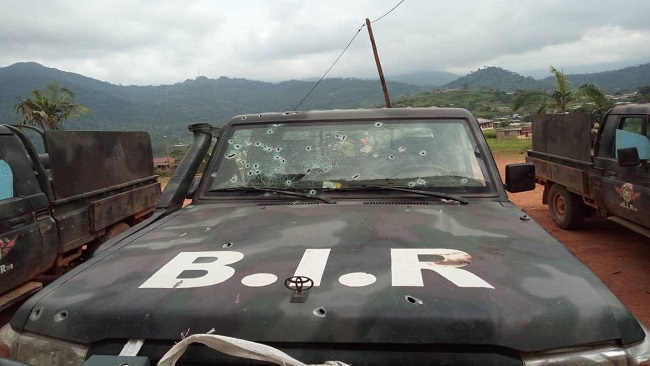
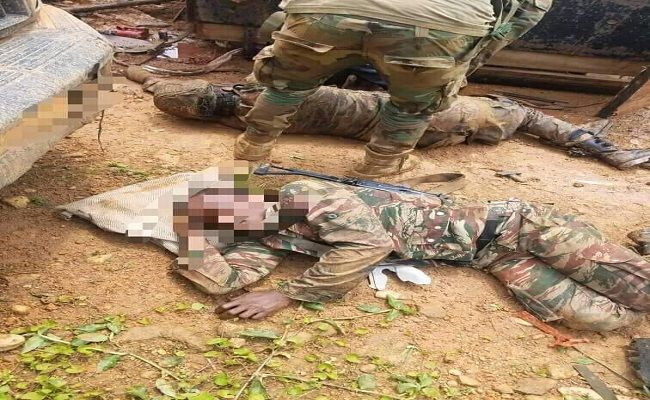
Civil society organizations and national and international human rights and humanitarian groups report that government forces have killed civilians, torched villages, and used torture and incommunicado detention with near total impunity. Meanwhile, armed separatists have killed, tortured, assaulted and kidnapped dozens of people, including students, teachers, administrative and traditional authorities amid increasing violence across the North-West and South-West regions. Schools and hospitals, teachers and medical staff, are increasingly under attack. Journalists have also been detained and at least four are behind bars in relation to their reporting of the crisis, while members of the media face regular threats of arrest and attacks.
These abuses are fomenting severe instability across the regions and show that the government of Cameroon is failing to uphold its Responsibility to Protect the Anglophone population. Without expeditious action, the situation is likely to worsen. The UN Security Council has largely kept silent on the crisis. Even getting the Council to discuss
Cameroon has proven difficult. A recent informal Security Council meeting almost did not take place due to a lack of support from African member States. As you prepare your remarks for the UNOCA briefing, we respectfully urge you to consider the following recommendations:
The UN Security Council should hold regular formal briefings and discussions on the situation in Cameroon and formally add it to its agenda. It should request the UN Secretary-General and key senior UN officials – especially the Office of the High Commissioner for Human Rights – to report regularly on developments in Cameroon.
While we should not wait for the region to mobilize before taking action in New York, the African Union and Economic Community of Central African States should engage with Cameroon’s government and armed separatists in order to prevent any further deterioration of the crisis in the Anglophone regions. In this context, the African countries on the Council have a crucial role to play in facilitating mediation efforts.
The lack of access for international human rights and humanitarian organizations to Cameroon and its affected regions remains disturbing. The government of Cameroon should allow unhindered access to international and national human rights organizations.
Cameroon’s partners should ensure that any support to Cameroonian security forces does not contribute to or facilitate human rights violations. The UN Security Council, with the support of the OHCHR, should urge the Cameroon authorities to investigate members of the security forces alleged to have carried out human rights abuses and prosecute those responsible. It should also publicly announce to armed separatist groups that their leaders will be held responsible for serious crimes committed by their fighters.
The international community should encourage mediation between Anglophone communities and the government, as well as an inclusive national dialogue in order to find a lasting and sustainable solution to the crisis, which addresses root causes and underlying grievances.
Signed,
- Action by Christians for the Abolition of Torture (ACAT-France)
- Amnesty International
- Committee to Protect Journalists (CPJ)
- Global Centre for the Responsibility to Protect
- Human Rights Watch
- Nouveaux Droits de l’Homme Cameroun
- Presbyterian Church (USA)
- Réseau des Défenseurs des Droits Humains en Afrique Centrale (REDHAC)
- World Organisation Against Torture (OMCT)


4, June 2019
UN told to highlight Cameroon at Central Africa Briefing 0
Members of the United Nations Security Council should focus on the deteriorating humanitarian and human rights situation in Cameroon at the June 4, 2019 briefing by the UN Regional Office for Central Africa, nine human rights organizations said today in an open letter to Security Council members.
While UN Regional Office for Central Africa briefings are an opportunity to formally raise the situation in Cameroon at the Security Council, the groups also urged the Security Council to formally add Cameroon to its agenda as a regular stand-alone item. “The UN Security Council has largely kept silent on the crisis,” the organizations said.
“Without expeditious action, the situation is likely to worsen.” Cameroon’s Anglophone regions have been engulfed in crisis since late 2016, when English-speaking lawyers, students, and teachers began protesting against what they saw as their under-representation in, and cultural marginalization by, the central government. In response, government security forces have killed civilians, torched villages, and used torture and incommunicado detention, while armed separatists have also killed, tortured, and kidnapped dozens of people. This violence, especially abuse by state security forces, occurs in an atmosphere of near total impunity.
This week’s Central Africa briefing should serve as opportunity to urge the Cameroon authorities to investigate and prosecute members of the security forces alleged to have carried out human rights abuses. It should also publicly assert to armed separatist groups that their leaders will be held responsible for serious crimes committed by their fighters, the groups said.
The lack of access to Cameroon and its affected regions is hindering efforts by international human rights and humanitarian organizations to report on abuses and to deliver life-saving assistance to those in need. The Cameroon government should allow unhindered access to international and national human rights organizations, the groups said.
The groups that signed the letter are Amnesty International, Human Rights Watch, Global Centre for the Responsibility to Protect, Action by Christians for the Abolition of Torture, Committee to Protect Journalists (CPJ), Nouveaux Droits de l’Homme Cameroun (NDH – Cameroon), World Organisation Against Torture, Presbyterian Church (USA), and Réseau des Défenseurs des Droits Humains en Afrique Centrale (Central Africa Human Rights Defenders Network).
Source: Human Rights Watch