Featured
 Unity Palace needs a new idea and a new head of state
  Martinez Zogo Affair: Biya must clean house and make way for a new generation
  Ambazonia People’s Liberation Authority explains motives for the new transition
  A year after Biya’s disputed re-election, CPDM remains without a timetable for next year’s polls.
 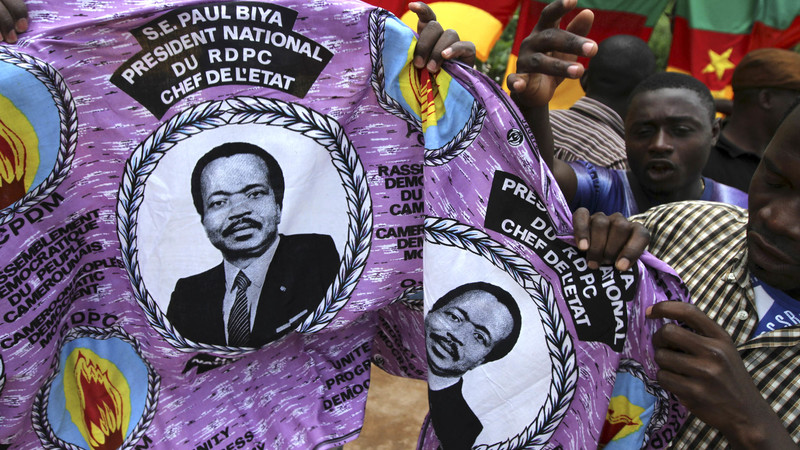 Ruling CPDM Party: When a political message runs out of the road
Most Commented Posts
 4 Anglophone detainees killed in Yaounde
18 comments Chantal Biya says she will return to Cameroon if General Ivo Yenwo, Martin Belinga Eboutou and Ferdinand Ngoh Ngoh are sacked
13 comments The Anglophone Problem – When Facts don’t Lie
12 comments Anglophone Nationalism: Barrister Eyambe says “hidden plans are at work”
12 comments Largest wave of arrest by BIR in Bamenda
10 comments
Featured
-

Harry Kane ends England’s 25-year Ballon d’Or drought
-

Cameroon’s sports betting tax revenue remains unclear
-

Revealed: 2 Franklin Templeton Funds hold CFAF 2 billion in Cameroon bonds
-

Brazil’s Lula beats odds and seals re-election, rival Bolsonaro demands annulment
-

Top officials from Saudi Arabia, Pakistan, Turkey due in Iran for security talks
-

Unity Palace needs a new idea and a new head of state
-

Trump says US may launch ‘another little Epic Fury’ attack on Iran
12, June 2026
Yaoundé steps up blood donation drive amid severe shortage 0
Ahead of World Blood Donor Day on June 14, Cameroon has renewed efforts to address a severe blood shortage that continues to challenge the country’s healthcare system.
In Yaoundé, the National Blood Transfusion Center (CNTS) has launched a special blood donation campaign with support from the U.S. Embassy in Cameroon. The initiative aims to attract new donors and encourage regular volunteers to continue donating.
The campaign aligns with this year’s global theme: “Give Blood, Give Hope: Together We Save Lives.” Behind the message lies a pressing healthcare need. Hospitals across the country require blood products every day to treat road accident victims, women facing complications during childbirth, children suffering from severe anemia, patients with severe malaria, and people undergoing surgery.
The challenge remains substantial. Cameroon needs about 400,000 units of blood each year to meet national demand. In 2025, the National Blood Transfusion Center collected 186,500 units, up from 147,034 units in 2022. As a result, national blood coverage increased from 37% to 47% over three years. Despite that progress, the country still faces an annual shortfall of more than 200,000 units.
Regional disparities add to the challenge. According to CNTS data, the Center, Littoral, and East regions achieve blood coverage rates of around 60%, while the South, North, and Far North regions remain below 30%. These gaps leave some hospitals more vulnerable to shortages, particularly in areas where blood collection campaigns are less frequent or more difficult to organize.
For blood transfusion specialists, the priority extends beyond increasing donation volumes. They seek to build a culture of voluntary, regular, and unpaid blood donation, which is considered the safest model for maintaining a stable and secure blood supply.
Such an approach also reduces dependence on replacement donations, often requested from patients’ relatives during emergencies.
Blood safety remains another key concern. According to CNTS, the share of blood units showing infectious risk factors declined from 9% in 2024 to 8.1% in 2025. The improvement reflects stronger quality-control procedures, biological screening of donations, staff training, and greater standardization across blood banks.
The campaign in Yaoundé also forms part of a broader framework of health cooperation between Cameroon and the United States. In December 2025, the two countries signed a bilateral memorandum of understanding covering HIV, malaria, tuberculosis, and global health security.
With World Blood Donor Day only days away, health authorities hope to turn awareness into action. For Cameroon’s healthcare system, every unit collected helps narrow a still-significant gap between supply and demand. For patients, it can mean the difference between a medical emergency successfully treated and a life lost because blood was unavailable.
Source: Sbbc