Featured
 Sasse Old Boys: A call for conscience, integrity and responsible leadership
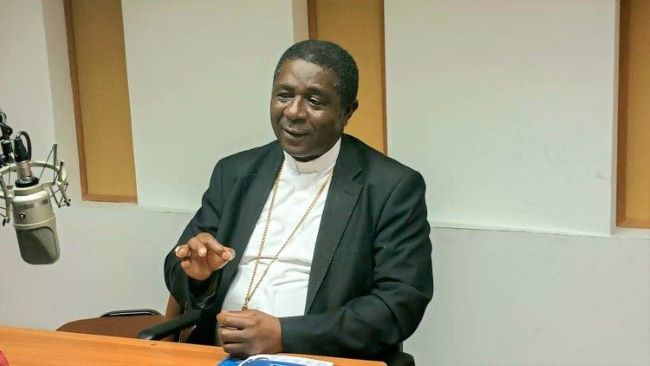 Southern Cameroons Crisis: Archbishop Nkea reflects on the toll of war
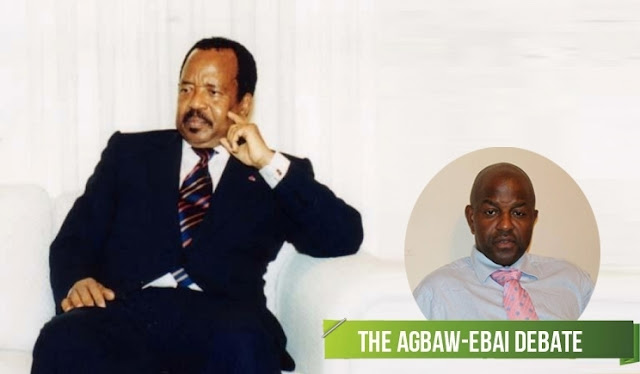 Mr Biya, the time has come for you to step down with dignity
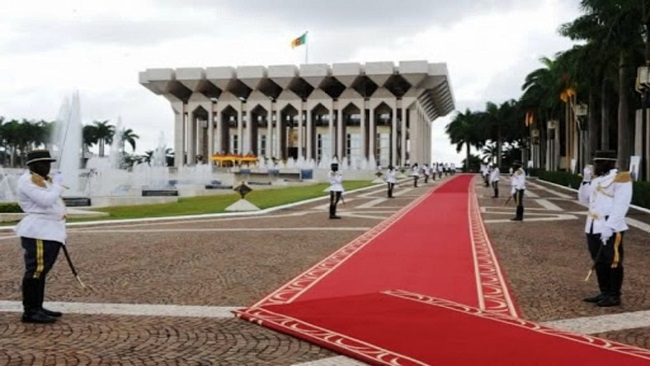 Unity Palace needs a new idea and a new head of state
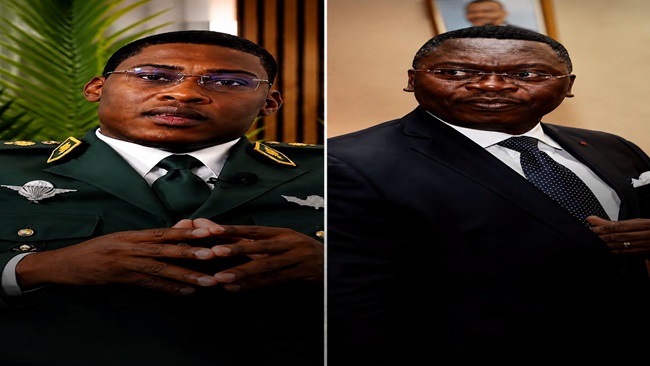 Martinez Zogo Affair: Biya must clean house and make way for a new generation
Most Commented Posts
 4 Anglophone detainees killed in Yaounde
18 comments Chantal Biya says she will return to Cameroon if General Ivo Yenwo, Martin Belinga Eboutou and Ferdinand Ngoh Ngoh are sacked
13 comments The Anglophone Problem – When Facts don’t Lie
12 comments Anglophone Nationalism: Barrister Eyambe says “hidden plans are at work”
12 comments Largest wave of arrest by BIR in Bamenda
10 comments
Featured
-
Unity Palace: Biya, Prince Albert II of Monaco discuss strengthening ties
-
Iran has studied letter from Vance; has no plans to meet US officials
-

SONARA signs fuel supply deal with Nigeria’s Dangote
-

Sasse Old Boys: A call for conscience, integrity and responsible leadership
-

CPDM Crime Syndicate: Atanga Nji suspends Tchiroma’s FSNC for 3 months
-

France is seeking EU sanctions over Russian interference in Cameroon
-

Southern Cameroons Crisis: Archbishop Nkea reflects on the toll of war
22, July 2026
Call Chantal Biya to order 0
by soter • Editorial, Headline News
The conduct of public figures is never judged solely by what is legal; it is also measured against standards of judgment, dignity and public responsibility. First Ladies, while often holding no elected office, occupy positions of immense symbolic importance. Their public appearances inevitably send messages about values, priorities and leadership.
If reports are accurate that First Lady Chantal Biya chose to attend a high-profile sporting event while her husband, President Paul Biya, was seriously ill and receiving medical treatment abroad, many citizens would understandably question whether such a decision reflected appropriate priorities. In times of personal and national uncertainty, the public often expects those closest to a nation’s leader to demonstrate solidarity, compassion and discretion.
Likewise, public figures like Chantal Biya should recognize that the way they dress at internationally televised events inevitably attracts attention. While every individual has the right to personal expression, those who represent their country on the global stage also carry a responsibility to uphold standards of decorum that reflect the dignity of the office they symbolize. When attire becomes the dominant story rather than the event or the nation being represented, it risks distracting from more important issues.
Leadership is as much about perception as it is about action. Those entrusted with representing a country should be mindful that their choices—whether involving travel, public appearances or personal presentation—can influence public confidence and shape international perceptions.
Public office, whether elected or ceremonial, requires restraint, sensitivity and an appreciation that personal freedom is accompanied by public responsibility. Actions that appear inconsistent with those expectations are likely to invite criticism and should encourage reflection. Those who occupy such prominent positions would do well to exercise greater discretion in the future, ensuring that their conduct promotes respect for the institutions they represent rather than unnecessary controversy.
By Soter Tarh Agbaw-Ebai