Featured
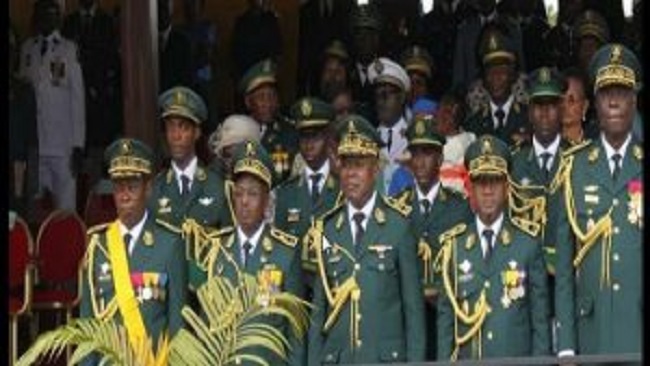 The Cameroonian army must put its conscience to the test
  Who really pushed for the return of the Vice President of the Republic?
  When politics fails a nation, football and the Church become the battleground
  Biya has had his era; Cameroon must now be allowed to enter its next one
  Biya’s hand: a source of glory and shame
Most Commented Posts
 4 Anglophone detainees killed in Yaounde
18 comments Chantal Biya says she will return to Cameroon if General Ivo Yenwo, Martin Belinga Eboutou and Ferdinand Ngoh Ngoh are sacked
13 comments The Anglophone Problem – When Facts don’t Lie
12 comments Anglophone Nationalism: Barrister Eyambe says “hidden plans are at work”
12 comments Largest wave of arrest by BIR in Bamenda
10 comments
Featured
-

Martinez Zogo Trial: questions over missing phone linked to Amougou Belinga
-

Revealed: Colonel Danwe admits ordering Martinez Zogo operation
-

Archbishop Nkea to battle decade of war with new peace Catechism
-

Southern Cameroons Crisis: 7 kidnapped by suspected Amba fighters in Bangourain
-
Southern Cameroons Crisis: 3 killed, 2 injured in bar shooting in Bamenda
-

US military nearing ‘breakdown’ amid sustained Iranian attacks
-

The Cameroonian army must put its conscience to the test
21, July 2026
Biya must end the scandal of illegal gold exports 0
by soter • Africa, Business, Editorial, Headline News
Our nation is watching one of its most valuable natural resources disappear through the back door. Reports that only 5% of the Cameroon’s gold production passes through government channels paint a very disturbing picture of a sector plagued by fraud, tax evasion and weak enforcement.
Billions of francs that should be funding schools, hospitals, roads and public services are instead enriching Cameroonian and international criminal networks and smugglers.
The fact that so much gold reportedly leaves Cameroon through the Yaounde-Nsimalen and Douala international airports raises serious questions about the effectiveness of customs controls and regulatory oversight. Such large-scale operations cannot continue indefinitely without glaring institutional failures that demand urgent investigation.
The Prime Minister Dion Ngute’s administration has a duty to explain how such an enormous volume of gold escapes legal channels. Parliament, anti-corruption agencies including judicial authorities should conduct an independent and transparent inquiry into the networks facilitating this illicit trade, identify those responsible and ensure that anyone found to have abused public office is held accountable.
Many Cameroonians believe that operations of this magnitude could not flourish without protection from influential individuals deep within the presidency of the republic. Whether that belief is justified is precisely why an impartial investigation is essential. If senior officials, security personnel or politically connected figures have enabled or benefited from this illicit trade, they must face the full force of the law. If they have not, a credible investigation is the only way to restore public confidence.
Cameroon’s mineral wealth belongs to its people and not to smugglers, corrupt officials or criminal syndicates. Ending the illegal gold trade requires political courage, transparent governance and an unwavering commitment to accountability. Cameroon deserves nothing less.
By Soter Tarh Agbaw-Ebai
Chairman-Editor-In-Chief