
21, February 2025
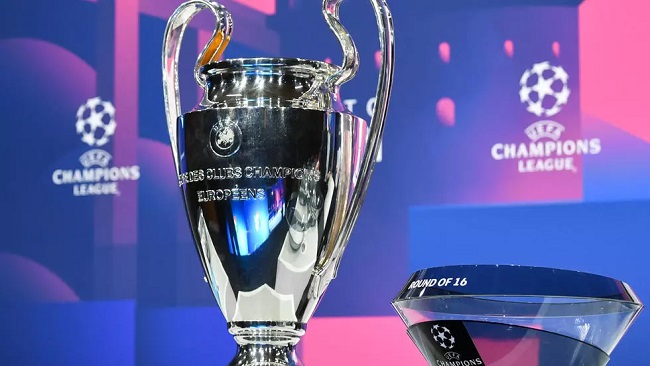
Champions League: PSG draws to play Liverpool, Real Madrid Vs Atletico Madrid 0
Liverpool finished first in the 36-team league phase of the competition to qualify directly for this stage, while PSG had to come through a two-legged play-off tie in which they crushed fellow French side Brest 10-0 on aggregate.
The first leg will take place at the Parc des Princes in Paris on March 4 or 5, with the return at Anfield a week later.
The clubs last met in the Champions League in the group stage in 2018/19, when PSG won 2-1 at home after Liverpool triumphed 3-2 in England.
In another eye-catching tie, reigning champions Real Madrid will play city rivals Atletico Madrid in a repeat of the finals of 2014 and 2016, both of which were won by Los Blancos.
Bayern Munich will take on German rivals Bayer Leverkusen, while Arsenal face PSV Eindhoven and Inter Milan take on Feyenoord, who are fresh from knocking out AC Milan in the play-offs.
Barcelona will face Benfica, who they defeated 5-4 away in Lisbon in the league phase last month.
Aston Villa will face Club Brugge, having already lost away to the Belgians in the league phase.
Last season’s beaten finalists Borussia Dortmund will take on French side Lille.
Source: AFP










22, February 2025
French Cameroun: 2 journalists attacked while reporting on businessman praised by Biya 0
The Committee to Protect Journalists calls on the Cameroonian authorities to investigate and hold accountable those who attacked Equinoxe TV journalists Joseph Abena Abena and Augustin Ndongo while they were reporting in a village in Cameroon’s South Region on February 13.
“The attack on Joseph Abena Abena and Augustin Ndongo is yet another expression of the sense of impunity for those who intimidate and threaten journalists in Cameroon,” said Moussa Ngom, CPJ’s Francophone Africa representative. “Cameroonian authorities must investigate and hold accountable the assailants and ensure a safe working environment for journalists.”
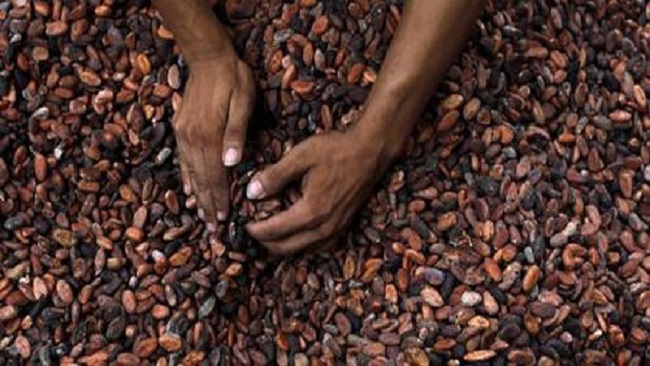
Abena, a regional correspondent for privately owned Equinoxe TV, and Ndongo, a camera operator, were attacked when they went to investigate an agricultural facility owned by Samuel Tony Obam Bikoué, a controversial figure praised by President Paul Biya three days earlier for helping to create “an agricultural industry,” but whose involvement in the banana plantation sector has been criticized by a local prefect.
The journalists were attacked when they entered the facility, according to a statement from the National Union of Journalists of Cameroon and Abena, who told CPJ that one of the attackers asked him why he wanted to harm Bikoué’s business rather than investigating other officials’ interests.
Abena said that the assailants, some armed with clubs, snatched Ndongo’s camera, confiscated the two journalists’ phones, and forced them to sit on the ground while making lynching and death threats, according to Abena, who told CPJ that he had identified himself as a journalist and presented his press card.
“One of the attackers said he knew me before he said they were going to kill us,” Abena said.
The two journalists were released after a local official intervened, but Abena said that his computer was damaged and one of the attackers took the memory card from Ndongo’s damaged camera.
CPJ’s calls and messages to Bikoué and Denis Omgba Bomba, director of the media observatory at Cameroon’s Ministry of Communication, went unanswered
CPJ has documented several physical attacks and acts of intimidation against journalists in recent months in Cameroon, ahead of the country’s elections later this year.
Culled from CPJ