
17, October 2021
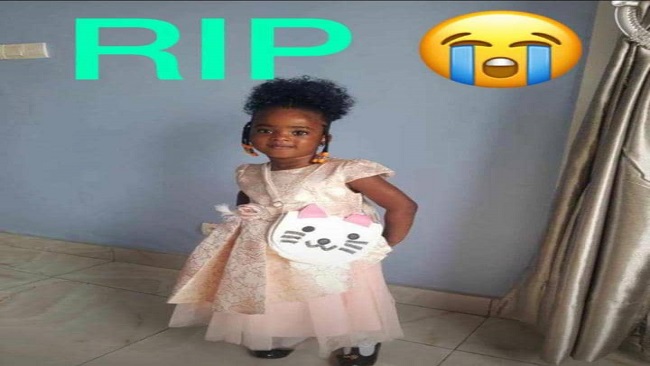
Massacre of the Holy Innocents: In Loving Memory of Louise Ndialle 0
Our dear sky daddy,aka Heavenly Father has given all of us life.That life is sacred.He has placed so much value in life by commanding that “thou shall not kill”All we have to do is develop,harness,improve on this life so that we can present our bodies to him holy,acceptable as a living sacrifice.
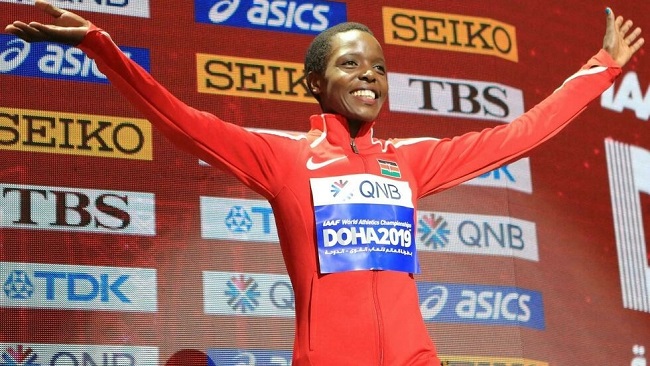
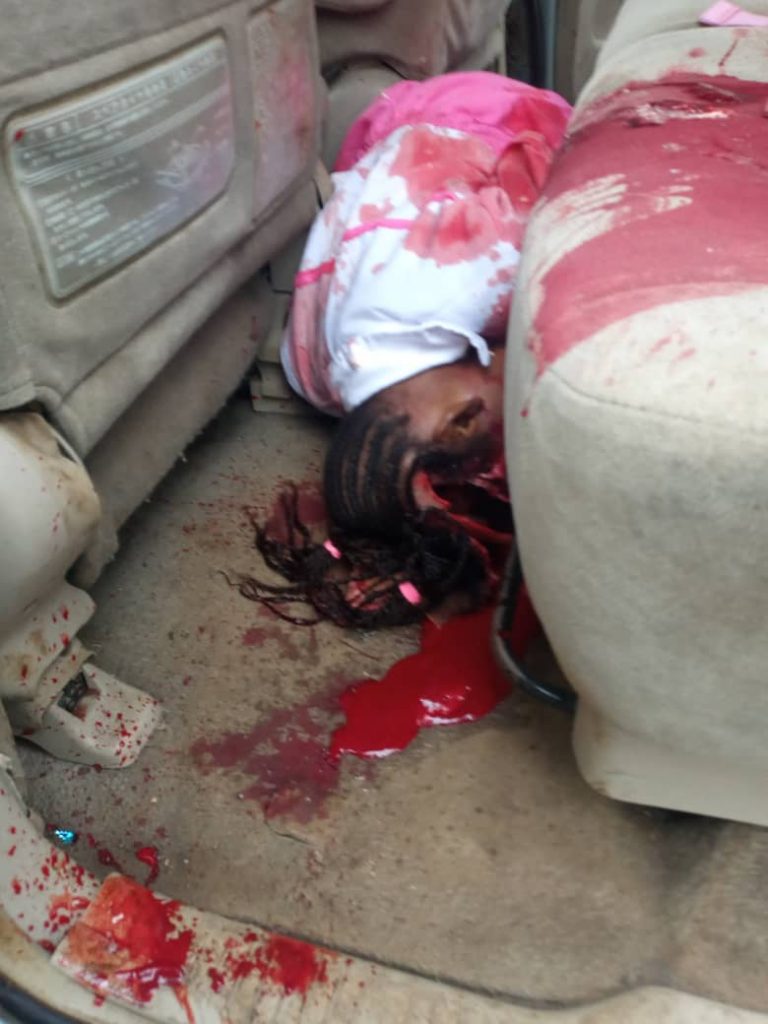
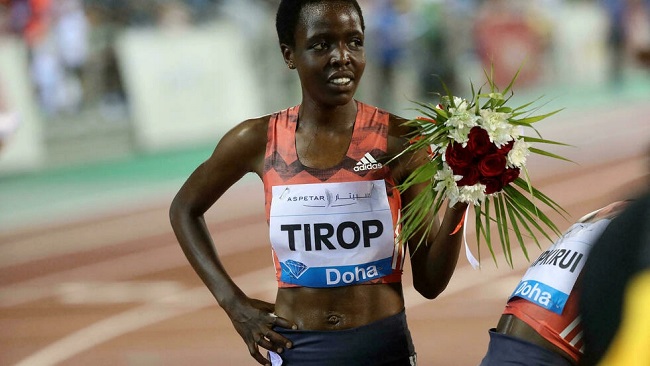
God gives a chance to a little girl to live,grow and eventually contribute to society.A mature man,well equipped with arms handed to him by a rock state decides to prematurely terminate the life of our baby.
A Police officer 9 months ago had beaten to death a motorcycle rider at Bellow Foncha,Bamenda still on control palaver.If sanctions have to come from the delinquent state it will never.There’s complicity in the action of state and it agents in devaluing lives leaving the people to fight their battles.
All we now see is a huge machinery of defence and justification from some colleagues and Yaounde hierarchy, no sympathy,no excuses but provocative words blaming the lady,driver etc.What warranted the release of bullets.
We know that the main issue in a control is not whether the driver has got all the papers but whether he has given money.We systematically arrived at an unfortunate level whereby money must be given, papers or not.We don’t eat documents they say.Officially carrying arms is now a license to kill.Let the state proof us wrong.
By Chief Charles A. Taku














17, October 2021
Football: Newcastle fans celebrate new Saudi era in spite of rights concerns 0
Jubilant Newcastle fans descended on St James’ Park on Sunday to celebrate a new era for the club under the ownership of the Saudi sovereign wealth fund with few showing concern for the issues raised by human rights groups over the takeover.
Hundreds of supporters sported traditional Saudi headdress and flew flags of the Gulf kingdom ahead of the Magpies’ first match since a £300 million ($412 million) takeover was given the green light by the Premier League.
The protracted deal had been held up for over a year by a dispute over piracy of sports rights, including for English top-flight football, between Saudi and Qatar.ADVERTISINGhttps://8c753c88bbf2a44252e3b56fe4d3ee18.safeframe.googlesyndication.com/safeframe/1-0-38/html/container.html
Saudi’s agreement to lift a ban on Qatari sports broadcaster beIN Sports cleared that obstacle, but the deal has been criticised by human rights groups.
Amnesty International has accused Saudi Arabia of using the global appeal of the Premier League to “sportswash” its reputation.
The fiancee of murdered journalist Jamal Khashoggi, who was killed inside the Saudi consolate in Istanbul in 2018, has described the takeover as “heartbreaking”.
A billboard with the hashtag #justiceforjamal was driven in front of St James’ Park in the hours before kick-off.
But there was little other sign of protest as Newcastle fans celebrated the departure of unpopular former owner Mike Ashley and dreamt of a transformation of their fortunes on the field.
“We’ve been waiting for this for 14 years. The atmosphere is immense, I haven’t seen it like this for years,” said Chris, a fan dressed in Saudi headdress.
“I’m just excited for the new era in Newcastle, you can feel it everywhere.”
Governor of the Saudi Public Investment Fund, Yassir Al-Rumayyan, was handed a huge ovation by the 55,000 crowd as he was presented as the club’s new chairman before kick-off.
Newcastle have not won a major trophy since 1969 despite regular attendances of more than 50,000.
“It doesn’t matter where the money comes from, as long as we win something,” said another supporter, Rob McCafferty.
The club from northeast England began the day second bottom of the table, without a win in their opening seven league games of the season.
However, the fans are already dreaming big as they aim to follow in the footsteps of Manchester City and Paris Saint-Germain, two clubs transformed by state-backed takeover from Abu Dhabi and Qatar respectively.
On top of being linked with a host of star players in the January transfer market, supporters are keen to replace manager Steve Bruce.
“The manager is the first thing,” said another fan, Sam Gardner. “Ideally (Antonio) Conte, but I don’t know if he is interested.”
Source: AFP