21, April 2018
Nestlé Cameroon inaugurates new Nido powdered milk facility 0
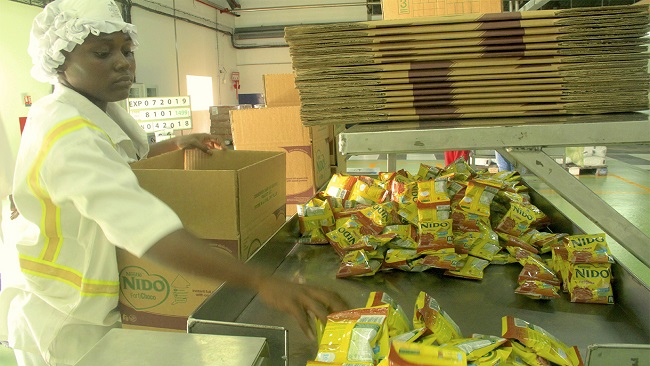
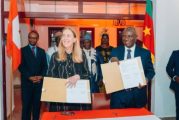
Nestlé has inaugurated a production unit for its range of Nido fortified powdered milk in Douala, Cameroon.
The new facility will create 12 additional jobs and has the potential to create 48 more in the coming years.
It will have an annual production capacity of more than 5,500 tons and will manufacture Nido Forti Choco as well as continue to package Nido powdered milk.
Nestlé said the production is intended for both the domestic market as well as for export to Gabon, Central African Republic, Chad, Congo and Equatorial Guinea.
Launched in 2016 in Cameroon, Nido Forti Choco is made from milk powder, cocoa and sugar. It is enriched with essential micronutrients such as iron, zinc and calcium.
Nestlé Cameroon country manager Thomas Caso said: “Nestlé has been improving the quality of life and contributing to a healthier future for the Cameroonian population for more than 50 years. As evidenced by this investment, we believe in the socio-economic development of the country and we want to continue to be a key partner in the growth of the local agro-industry.
“We will continue to explore with our partners and the relevant authorities ways to increase our local production and local sourcing of raw materials and packaging materials.”
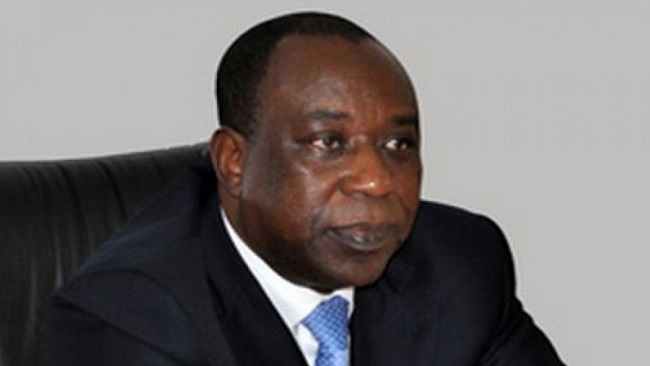
Ernest Gwaboubou, Cameroon minister for mines, industry and technological development, said: “This event demonstrates a strong public-private partnership within the context of industrialisation of Cameroon, which will create employment and foster economic development.”
Nestlé has been present in Cameroon since 1965 and started local production in 1981. The company employs more than 450 people in the country.
Source: foodbev.com















9, May 2018
IMF says African economies sliding into debt distress despite growth 0
Sub-Saharan African nations are at growing risk of debt distress because of heavy borrowing and gaping deficits, despite an overall uptick in economic growth, the International Monetary Fund said on Tuesday.
The sober assessment came as African countries continue to tap international debt markets and issue record levels of debt in foreign currencies, spurred on by insatiable investor demand for yields.
“What really we’re concerned about is the pace of increase, rather than the average,” IMFAfrica Director Abebe Aemro Selassie told Reuters at the launch of its economic outlook for the region in Accra.
“What we’re calling for right now is that those countries are going to need to go through fiscal consolidation,” he said, adding that oil producers and other resource-dependent economies were seeking the sharpest growth in their debt loads.
The Fund projected the rate of economic expansion would rise to 3.4 percent this year, up from 2.8 percent in 2017, boosted by global growth and higher commodity prices.
Slower growth in South Africa and Nigeria – the continent’s two largest economies – weighed on the region-wide average, but the IMF expects growth to pick up in around two-thirds of African nations. However, under current policies, that rate is expected to plateau below 4 percent over the medium term.
GROWTH SEEN SLOWING
Meanwhile, around 40 percent of low-income countries in the region are now in debt distress or at high risk of it, the IMF report said. And refinancing that debt could soon become more costly.
“The current growth spurt in advanced economies is expected to taper off, and the borrowing terms for the region’s frontier markets will likely become less favourable … which could coincide with higher refinancing needs for many countries across the region,” it said.
African governments issued a record $7.5 billion in sovereign bonds last year, 10 times more than in 2016. And they have issued or plan to issue over $11 billion in additional debt in the first half of 2018 alone, the report said.
Foreign currency debt increased by 40 percent from 2010-13 to 2017 and now accounts for about 60 percent of the region’s total public debt on average, IMF data showed. Average interest payments, meanwhile, increased from 4 percent of expenditures in 2013 to 12 percent in 2017.
Six countries – Chad, Eritrea, Mozambique, Congo Republic, South Sudan and Zimbabwe – were judged to be in debt distress at the end of last year. And the IMF’s ratings for Zambia and Ethiopia were changed from moderate to “high risk of debt distress.”
The IMF conceded that Africa’s enormous needs will continue to demand heavy investments to build infrastructure and social development. But to do so while avoiding the risk of a debt trap, the continent, which currently has the lowest revenue-to-GDP ratio in the world, will need to become more self-reliant.
“Borrowing to finance spending is part of the macroeconomic policy tool kits which all countries use,” Selassie said. “But over the medium to long-term they have to rely more on domestic revenues, tax revenues to address their development spending needs.”
REUTERS