7, July 2018
IMF projects 4% economic growth in Cameroon, warns against Anglophone crisis 0
Cameroon’s economy is expected to grow 4 percent this year, up from 3.2 percent in 2017 due to the start of natural gas production and construction work for an upcoming soccer tournament, the International Monetary Fund (IMF) said.
Growth was slower in 2017 because of a sharp decline in oil output but new infrastructure projects and increased private investment should bring it to at least 5 percent in the medium term, the IMF said in a statement late on Friday.
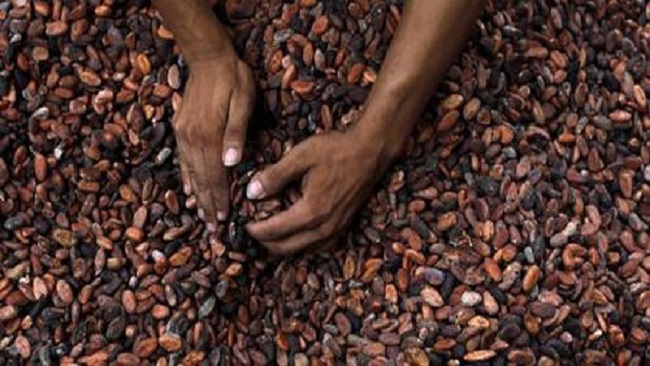
Cameroon, one of central Africa’s largest economies, produces about 180,000 barrels per day of oil and is Africa’s fourth-biggest cocoa producer.
The IMF statement followed a decision by its executive board to approve the disbursement of $77.8 million as part of a three-year, $680.7-million financial aid package.
Security risks
The IMF warned, however, that the economy faces considerable risks, including deteriorating security in its English-speaking regions — cocoa and oil-producing areas where separatists are waging a deadly insurgency, and high debts.
“With significant spending pressures associated with the 2018 elections, a worsening security situation and the 2019 African Soccer Cup, any additional oil revenue should be saved,” said Mitsuhiro Furusawa, the Fund’s deputy managing director, referring to the 2019 Africa Cup of Nations due to be held next June.
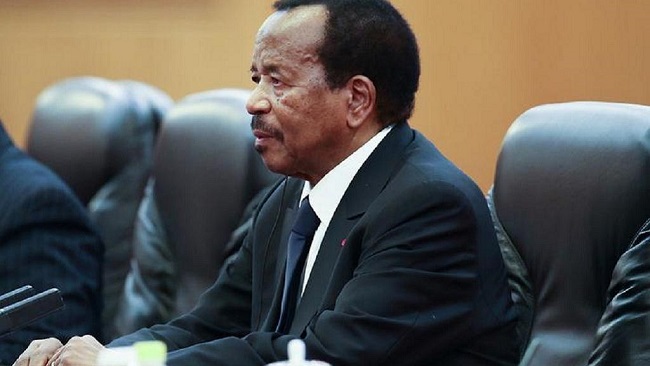
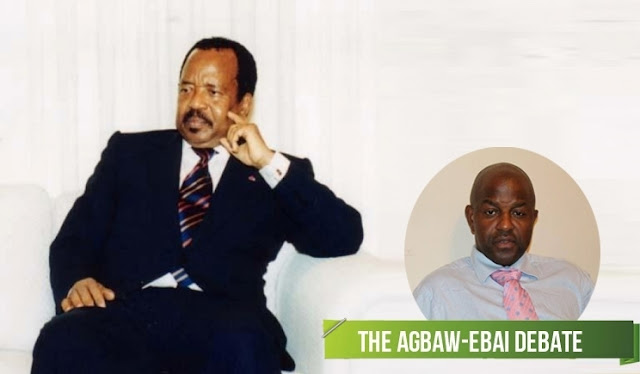
President Paul Biya is due to stand for re-election in the vote later this year. The 85-year-old has governed since 1982 with little tolerance for dissent.
REUTERS


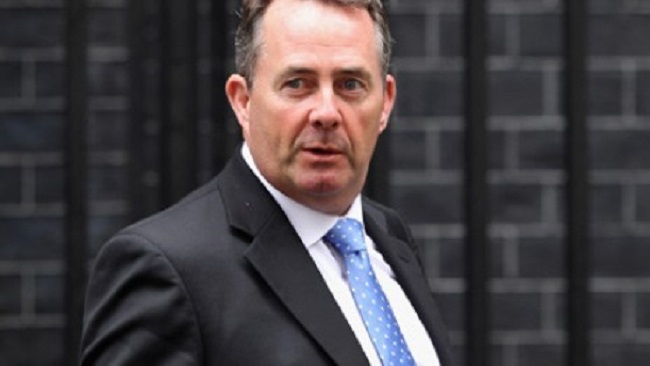
 TRADE Secretary Liam Fox has announced the UK has secured a £1.5billion trade deal and signed off £75million in other trade agreements in a major boost for the UK economy after Brexit.














9, July 2018
Bundes: SPD leader warns US envoy over talks with carmakers 0
Leader of Germany’s Social Democratic Party (SPD) has slammed the new US envoy to Berlin for quietly engaging in talks with major German carmakers over a trade dispute between Washington and the European Union.
US Ambassador to Berlin Richard Grenell has reportedly been in talks with the heads of German carmakers such as BMW, Daimler and Volkswagen. He argues he is empowered by the US administration to work out a solution to the trade dispute.
Grenell, a staunch supporter of President Donald Trump, suggested a “zero tariff” solution, which requires both Berlin and Washington to lift all tariffs on automobile imports from their respective countries.
His closed-door talks, however, prompted a response from SPD leader Andrea Nahles, who said Germany is not “a banana republic.”
“That is news to me that ambassadors hold talks on such issues. What kind of an approach is it?” she said.
Trump hit the EU, Canada and Mexico with tariffs of 25 percent on steel and 10 percent on aluminum at the start of June, ending exemptions that had been in place since March.
Washington currently imposes a 2.5 percent tariff on imported passenger cars from the EU and a 25 percent tariff on imported pickup trucks.
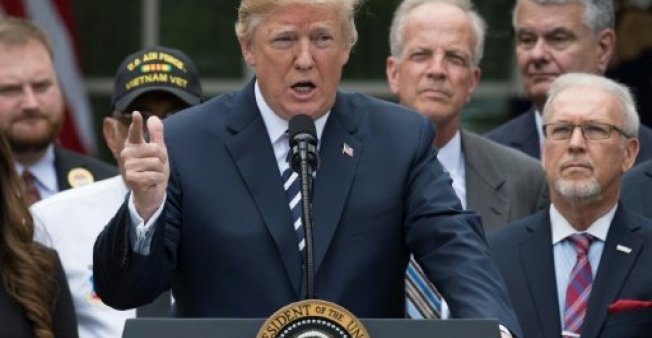
“If these Tariffs and Barriers are not soon broken down and removed, we will be placing a 20% Tariff on all of their cars coming into the US Build them here!” Trump said last month.
The EU also imposes a 10-percent tariff on imported US cars.
Not long after his arrival in Berlin in May, the US envoy prompted anger in Germany by calling on German companies via Twitter to “wind down operations in Iran immediately.”
The move was part of a broader policy taken by the Trump administration to convince European companies to voluntarily disengage with Iran after Washington pulled out from a 2015 landmark nuclear agreement.
Source: Presstv