12, September 2019
Biya’s ‘dialogue’ for Ambazonia crisis runs into questions, rejection 0
President Paul Biya’s call for dialogue on the separatist crisis in Cameroon’s two anglophone regions was given a cautious welcome on Wednesday by some, although several separatist leaders swiftly and bluntly rejected it.
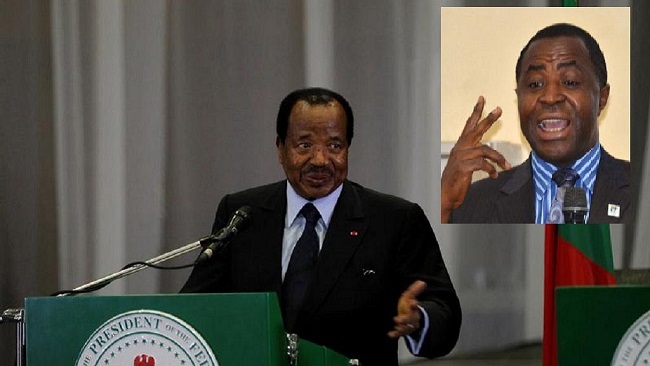
The 86-year-old president, apparently softening his stance, said he would convene a “major national dialogue” later this month.
It will “examine the ways and means to respond to the deeply-held aspirations of the populations in the Northwest and Southwest regions but also in all the other component parts of our great nation,” Biya said in a TV address late Tuesday.
His announcement came ahead of the second anniversary of the declaration of the “Republic of Ambazonia” — the self-proclaimed breakaway state for the two English-speaking regions where separatists have launched an armed campaign for independence from the majority French-speaking state.
More than 2,000 people have died, according to the International Crisis Group (ICG) thinktank, while the UN says at least half a million have fled their homes. The cost to Cameroon’s economy, meanwhile, is mounting.
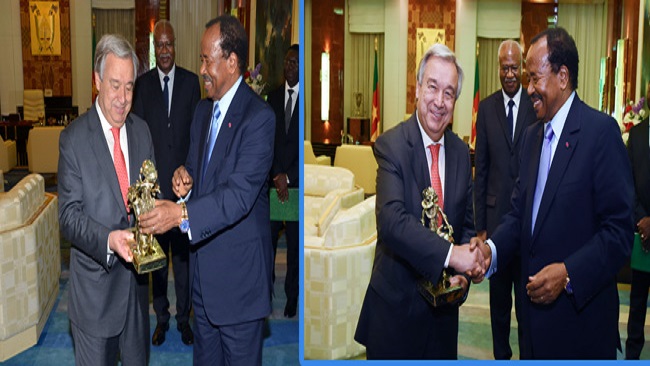
In a statement, the UN said Secretary General Antonio Guterres “welcomes the announcement” and “reiterates the readiness of the United Nations to support the dialogue process.”
“All Cameroonian stakeholders” should participate, it said.
- Separatist leaders jailed –
But many commentators said that if Biya’s overture is genuine, it will have little chance of headway so long as breakaway leaders remain behind bars or in exile.
In May, Biya’s prime minister had already said the government was willing to host a dialogue with the separatists.
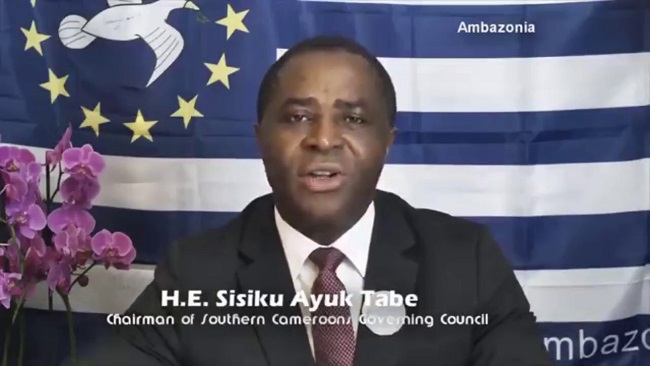
Yet three months later, separatist leader Julius Ayuk Tabe was sentenced to life in prison along with nine of his supporters — a move that made the prospect of peace seem even more remote.
A leading Cameroonian anglophone lawyer and human rights campaigner, Felix Agbor Nkongho, gave Biya high marks for the openness of the proposed forum.
It would include members of political groups, civil society and religious groups, as well as representatives of the armed forces and armed rebel groups, according to the announcement.
“The call for an all inclusive dialogue is very appreciated,” the lawyer said in an interview with AFP.
But, he said, “the government should now allow anglophones of various political thought to mobilise, organise themselves and take part without fear of arrest or other punishment for their ideas.”
In the Southwest Region’s capital Buea, prominent local campaigner Blaise Chamango said the hosting of a dialogue was “something that people have been asking for for a long time.”
But he also pointed to a radicalisation of the pro-independence movement over the last three years, after Biya rejected more moderate demands for autonomy or a federal state.
“The separatists have become more radical, and everything that Yaounde (the government) puts forward is seen as a poisoned chalice.”
Peace would be impossible if the separatists are not given a seat at the table, he suggested.
- Separatist scepticism –
Biya’s offer was notably given an immediate thumbs-down by several separatist groups, gathered in an association called the South Cameroon Liberation Movement.
“We will not allow him to use a circus like this to lure the international community,” it said, calling on Biya to withdraw all troops and government officials from the two anglophone regions.
“We will not be party to any national dialogue. The period for dialogue died a long time ago,” Ebenezer Akwanga, a separatist leader, told AFP from the United States.
“We want a comprehensive negotiated settlement on the terms of separation. We will settle for nothing less!”
English speakers — who make up roughly one fifth of Cameroon’s 24 million inhabitants — mostly live in the two regions that were formerly a British colony until they were folded into post-independence Cameroon in 1961.
Anger at perceived discrimination by francophones against anglophones in justice, education and the economy has built for years.
Cameroonian newspapers that are sympathetic to the opposition also questioned the point of the exercise — “a dialogue with ghosts,” said one headline.
Biya, in his speech, made no reference to releasing jailed leaders, although he reiterated an offer to a “pardon” any separatists who voluntarily lay down their arms.
Those who refuse to do so will face “the full force of the law” and of the country’s security and defence forces, he warned.
Source: AFP













13, September 2019
Ambazonia leader says Biya’s dialogue call a ‘non-event’ 0
The separatist leader of Cameroon’s English-speaking community on Thursday dismissed President Paul Biya’s call for national dialogue to end the country’s anglophone crisis as a “non-starter”.
Biya on Tuesday announced that he intends to open a major “national dialogue” later this month in a bid to solve the conflict between security forces and armed separatists from the anglophone minority in the west.
“The speech was a non-event and a non-starter,” separatist leader Julius Sisiku Ayuk Tabe said in a message relayed by his lawyers.
In August Ayuk Tabe was sentenced to life in prison along with nine of his supporters — a move that made the prospect of peace seem even more remote.
Ayuk Tabe is the first self-proclaimed president of “Ambazonia”, a breakaway state declared in October 2017 in two English-speaking regions of the central African country.
Since then the francophone-majority country has been mired in the unrest which has left more than 2,000 people dead as English-speaking separatists demand independence in the Northwest and Southwest regions.
More than 500,000 people have been forced from their homes as a result, according to the Human Rights Watch group.
Ayuk Tabe described Biya’s dialogue initiative as “an awkward and grudging attempt timed to avoid UN sanctions, considering that the UN will be deliberating on the anglophone crisis this September and Mr Biya and his regime has been amply put on notice.”
He added that “President Biya unilaterally declared the ongoing war in the Northwest and Southwest regions. He must unilaterally declare an end to the war that he declared.”
The UN has said that its Secretary General Antonio Guterres “welcomes the announcement” by Biya and “reiterates the readiness of the United Nations to support the dialogue process.”
But many commentators said that if Biya’s overture is genuine, it will have little chance of headway as long as separatist leaders remain behind bars or in exile.
AFP