27, October 2018
Yaounde: Tongues wag over the publication of a tender for the construction of a villa for the President of the Constitutional Council 0
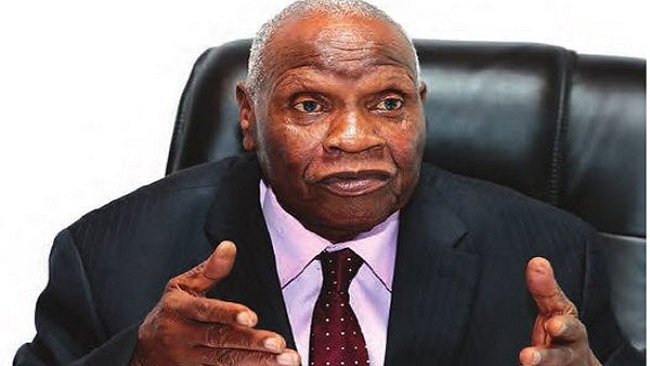
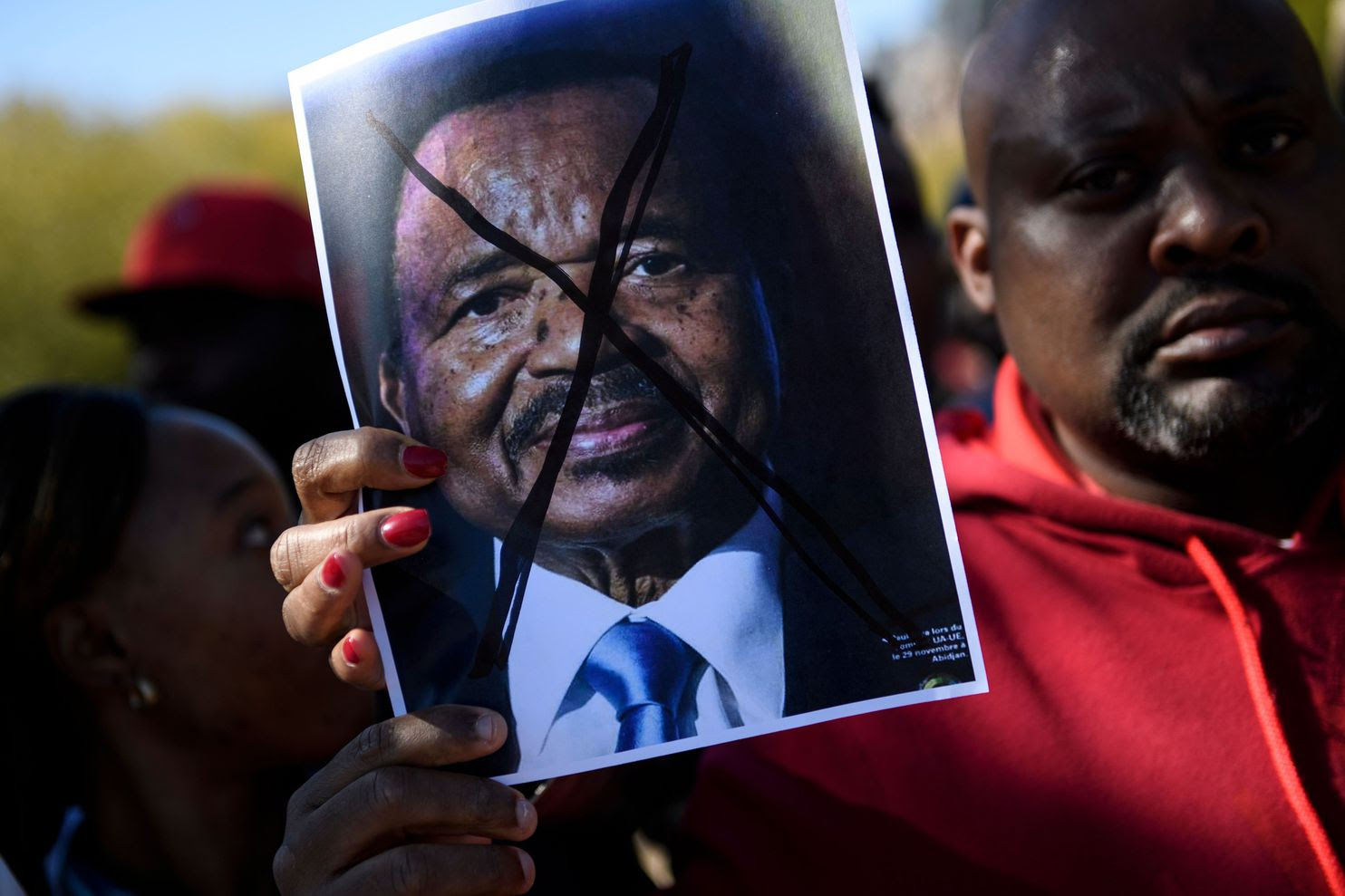
Tongues have been waging following the publication of a tender for the construction of the residence of the President of the Constitutional Council of Cameroon, just a day after the agency declared 85-year-old President Paul Biya winner of another seven-year mandate.
“In the perspective of development of state patrimony, the minister of State Property, Surveys and Land Tenure hereby launches an open national invitation to tender for the construction work of the residence of the president of the constitutional council based in Bastos,” the public tender, published in the state-run bilingual daily, the Cameroon Tribune, reads.
Bastos is a high end secure neighbourhood that serves as a principal diplomatic region in Yaoundé.
Election results
The $477,000 (FCFA 272.7m) residence will be occupied by the pioneer president of the council, Justice Clement Atangana, who proclaimed President Biya winner of the October 7 election with 71.28 percent of the votes cast.
Many denizens have been commenting about the tender by the Yaoundé authorities.
A journalist and member of the opposition Cameroon Renaissance Movement (CRM), Ms Angela Forbin, suggested that the house was “compensation” to the president of the constitutional council for “cooking up election results in favour of Biya”.
But Mr Ngala Gerard, a member of the ruling Cameroon People’s Democratic Movement (CPDM), argued that the residence was for the president of the Constitutional Council, and not Justice Atangana.
Outgoing president
“As a senior state functionary, the President of the Constitutional Council is entitled to a residence. The tender is for the construction of a state residence which will be occupied by the president of the council, whoever he or she is or will be. It is not for the construction of Justice Clement Atangana’s private residence,” Mr Ngala said.
During the hearing of post-election petitions in Yaoundé last week, lawyers of CRM’s flagbearer Maurice Kamto argued that over 50 percent of members of the Constitutional Council, including the president, were affiliated to the ruling CPDM party.
The council members were appointed by President Biya.
Prof Kamto, who has maintained he won the October 7 election, said the vote was organised by a “doubtful independent institution” (Elections Cameroon, ELECAM) and supervised by a constitutional council “that almost all its members are militants of the ruling party, all appointed on a discretionary bases by the outgoing president”.
Source: The East African
Now that you are here
The Cameroon Concord News Group Board wishes to inform its faithful readers that for more than a decade, it has been providing world-class reports of the situation in Southern Cameroons. The Board has been priding itself on its reports which have helped the world to gain a greater understanding of the crisis playing out in Southern Cameroons. It hails its reporters who have also helped the readers to have a broader perspective of the political situation in Cameroon.
The Board wishes to thank its readers who have continued to trust Southern Cameroon’s leading news platform. It is therefore using this opportunity to state that its reporters are willing to provide more quality information to the readers. However, due to the changing global financial context, the Board is urging its readers to play a significant role in the financing of the news organization. It is therefore calling on its faithful readers to make whatever financial contribution they can to ensure they get the latest developments in their native Southern Cameroons, in particular, and Cameroon in general.
Bank transaction: Soter Tarh Agbaw-Ebai
Banking IBAN: GB51 BARC 2049 1103 9130 15
Swift BIC BARC GB22XX
SORT CODE 20-49-11, ACCOUNT NUMBER – 03913015 Barclay PLC, UK
The Board looks forward to hearing from the readers.
Signed by the Group Chairman on behalf of the Board of Directors
Soter Tarh Agbaw-Ebai
Email: soteragbawebai@gmail.com













27, October 2018
Football: Brazil to play Cameroon in last friendly of 2018 in London 0
Brazil will play its last friendly of the year against Cameroon in London on Nov. 20, its soccer confederation said on Thursday.
The last time the teams met was during the group stage of the 2014 World Cup when Brazil won 4-1 in Brasilia with a Neymar double.
On Nov. 16, Brazil will face Uruguay in London. Coach Tite will announce his squad for the two friendlies on Friday.
Brazil has won all four friendlies since the 2018 World Cup in Russia, against United States, El Salvador, Saudi Arabia and Argentina.
Tite is preparing his players for the 2019 Copa America tournament that Brazil will host.
Source: AP
Now that you are here
The Cameroon Concord News Group Board wishes to inform its faithful readers that for more than a decade, it has been providing world-class reports of the situation in Southern Cameroons. The Board has been priding itself on its reports which have helped the world to gain a greater understanding of the crisis playing out in Southern Cameroons. It hails its reporters who have also helped the readers to have a broader perspective of the political situation in Cameroon.
The Board wishes to thank its readers who have continued to trust Southern Cameroon’s leading news platform. It is therefore using this opportunity to state that its reporters are willing to provide more quality information to the readers. However, due to the changing global financial context, the Board is urging its readers to play a significant role in the financing of the news organization. It is therefore calling on its faithful readers to make whatever financial contribution they can to ensure they get the latest developments in their native Southern Cameroons, in particular, and Cameroon in general.
Bank transaction: Soter Tarh Agbaw-Ebai
Banking IBAN: GB51 BARC 2049 1103 9130 15
Swift BIC BARC GB22XX
SORT CODE 20-49-11, ACCOUNT NUMBER – 03913015 Barclay PLC, UK
The Board looks forward to hearing from the readers.
Signed by the Group Chairman on behalf of the Board of Directors
Soter Tarh Agbaw-Ebai
Email: soteragbawebai@gmail.com