20, January 2026
Ngarbuh Massacre: Yaoundé Military Court convicts soldiers 0
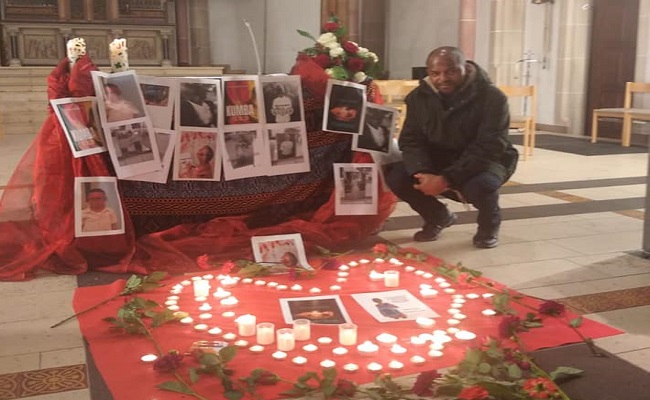
The Yaoundé Military Court in Cameroon’s political capital has delivered a landmark judgment in the long-running trial over the 2020 Ngarbuh massacre, finding three members of the Cameroonian armed forces and one local Fulani militiaman guilty of murder, arson and destruction of property.
The verdict delivered on January 15, 2026, relates to the killing of 23 civilians, including 15 children and two pregnant women, during a military operation in the village of Ngarbuh, in Ntumbaw, Ndu subdivision of the North West Region. While the court has established the guilt of the accused, sentencing has been deferred to a later date.
The ruling is being widely described as historic, marking one of the rare instances in which members of state security forces have been held criminally responsible for grave human rights abuses committed during the Anglophone Crisis. For years, military operations and the actions of allied militias in separatist-affected areas have largely gone unpunished, fueling accusations of impunity.
The Ngarbuh massacre occurred on February 14, 2020, at the height of the conflict between government forces and English-speaking separatist groups seeking an independent state known as Ambazonia. According to investigations by human rights organisations, including Human Rights Watch, government troops accompanied by local Fulani vigilantes entered the village and deliberately targeted civilians.
Witnesses reported that homes were burned, property looted, and residents beaten, with no evidence of a significant clash with armed separatists at the time of the attack. The killings shocked both national and international opinion, drawing condemnation from rights groups, foreign governments and the United Nations.
Initially, Cameroonian authorities denied responsibility, claiming the deaths resulted from an accidental explosion during a confrontation with separatist fighters. However, mounting pressure forced President Paul Biya to establish a commission of inquiry, which later acknowledged that “uncontrolled” soldiers and local auxiliaries were responsible for the killings and had attempted to destroy evidence by setting houses ablaze.
The trial opened in December 2020 before the Yaoundé Military Court but was repeatedly delayed, raising concerns about the authorities’ willingness to fully address abuses committed by security forces. Proceedings were marked by slow progress, procedural concerns and limited involvement of victims’ families, prompting criticism from civil society groups and human rights advocates.
Despite these challenges, Thursday’s convictions have been welcomed as an important though incomplete step toward accountability. Many observers note that only low-ranking soldiers and a single militiaman were convicted, while questions remain about the role of senior commanders and the chain of command behind the operation.
Human Rights Watch reacted cautiously to the verdict, describing it as a partial advance toward justice while stressing that accountability should extend to all those responsible, including those who planned or authorised the operation. The organisation’s Central Africa researcher, Ilaria Allegrozzi, has consistently argued that justice will remain unfinished unless higher-ranking officials implicated in the massacre are also investigated and prosecuted.
For families of the victims, the judgment represents long-awaited recognition of the suffering endured by innocent civilians in the North West and South West regions.
Source: panafricanvisions










20, January 2026
Paul Biya: the clock is ticking—not on his power, but on his place in history 0
For more than four decades, President Paul Biya has stood at the center of Cameroon’s political universe, defying time, pressure, and political gravity. Few African leaders have ruled as long, survived as many internal and external shocks, or maintained such tight control over the levers of power. Today, however, as Biya embarks on another seven-year mandate in his 90s, the central question confronting Cameroon is no longer whether he can govern—but how history will ultimately judge him.
The President has reaffirmed his vision. But time, not power, has become the decisive variable.
A Familiar Vision in an Unfamiliar Moment
In his New Year address and post-election speeches, President Biya framed his renewed mandate as a solemn moral obligation. Recalling the oath taken at his inauguration, he described his mission to build a “united, stable and prosperous Cameroon” as sacred, personal, and enduring. He emphasized continuity, loyalty, and resilience—values that have defined his long reign.
The speech catalogued achievements and aspirations: economic reforms supported by international partners, investments in infrastructure, energy expansion through the Nachtigal hydroelectric dam, solar power projects in the North, improved electricity transmission, road rehabilitation programs, expanded access to drinking water, and renewed focus on education, health, industrialization, digital development, and agro-food processing.
He spoke optimistically of macroeconomic stability despite global turbulence, highlighted increased public investment, and announced the takeover of electricity distributor ENEO as a decisive move toward restoring national energy sovereignty. Youth employment featured prominently, with 50 billion CFA francs allocated in the 2026 budget to finance youth-led projects.
Above all, President Biya returned insistently to one theme: unity. In a polarized political climate, he warned against hate speech, identity politics, indiscipline, and attacks on state authority. Cameroon’s diversity, he said, is not a weakness but its greatest strength.
The vision was coherent. The tone was confident. Yet the moment in which it was delivered is unlike any Biya has faced before.
A Mandate Secured, Authority Questioned
The October presidential election, though officially won by Biya, marked a political rupture. For the first time in his career, his victory margin barely crossed the 50 percent threshold. Gone were the overwhelming landslides that once symbolized invincibility.
More unsettling was the challenge from Issa Tchiroma Bakary—a longtime regime insider who defected from government barely months before the vote and emerged as Biya’s main challenger. Tchiroma’s outright rejection of the results sent shockwaves through the political establishment, revealing fractures within the ruling elite itself.
The election result carried a message that could not be ignored: President Biya remains in power, but the political contract between ruler and ruled is under visible strain.
Renewal Promised, Continuity Entrenched
Nowhere is the tension between promise and reality more evident than in the composition of Cameroon’s ruling class.
President Biya, now in his 90s, presides over a state architecture dominated by leaders of similar age. The President of the Senate and the Speaker of the National Assembly—second and third in the constitutional order—are themselves drawn from the same generational cohort. Their absence from the recent traditional ceremony of presenting New Year wishes to the Head of State was not merely logistical; it was symbolic.
To many Cameroonians, it reinforced the image of an aging political elite increasingly disconnected from a country whose median age is under 20.
While Biya speaks of merit, balance between youth and experience, and renewal, key institutions remain anchored in permanence. Ministers have occupied the same portfolios for decades. Some positions remain vacant even after the death of officeholders. Others are held by officials widely perceived as ineffective, invisible, or more concerned with self-preservation than public service.
In this context, the promised government reshuffle—announced in Biya’s New Year speech—has taken on outsized importance. For many, it is no longer a routine administrative act but a defining test of seriousness.
Warning Signs from Within the System
The erosion of authority is not coming solely from the opposition. Increasingly, it is visible within the ruling CPDM itself.
Regional council elections that followed the presidential poll offered an opportunity for internal renewal. Instead, party leadership appeared more focused on preserving the status quo. Yet in a striking act of defiance, CPDM grassroots members in Biya’s own South Region rejected the party’s official candidate and voted for an alternative figure they considered more competent and visionary.
It was a rare public rebellion from within the president’s traditional stronghold—and a second wake-up call after the presidential vote.
Football and the Fracturing of National Identity
Perhaps the most powerful illustration of Cameroon’s fragmentation lies outside formal politics—in football.
For decades, football was Cameroon’s great unifier. The Indomitable Lions transcended ethnicity, region, language, and party affiliation. Victories were national catharses; defeats collective grief.
Today, that consensus has fractured.
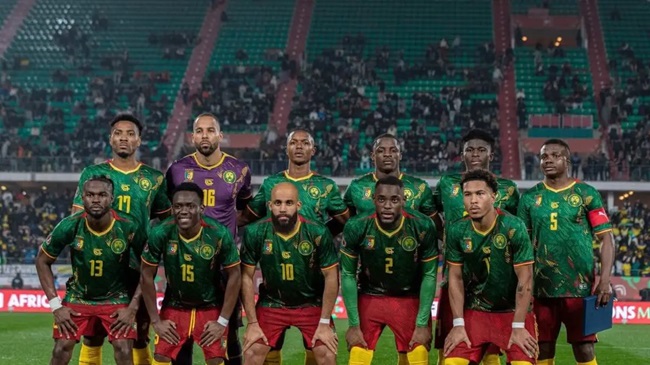
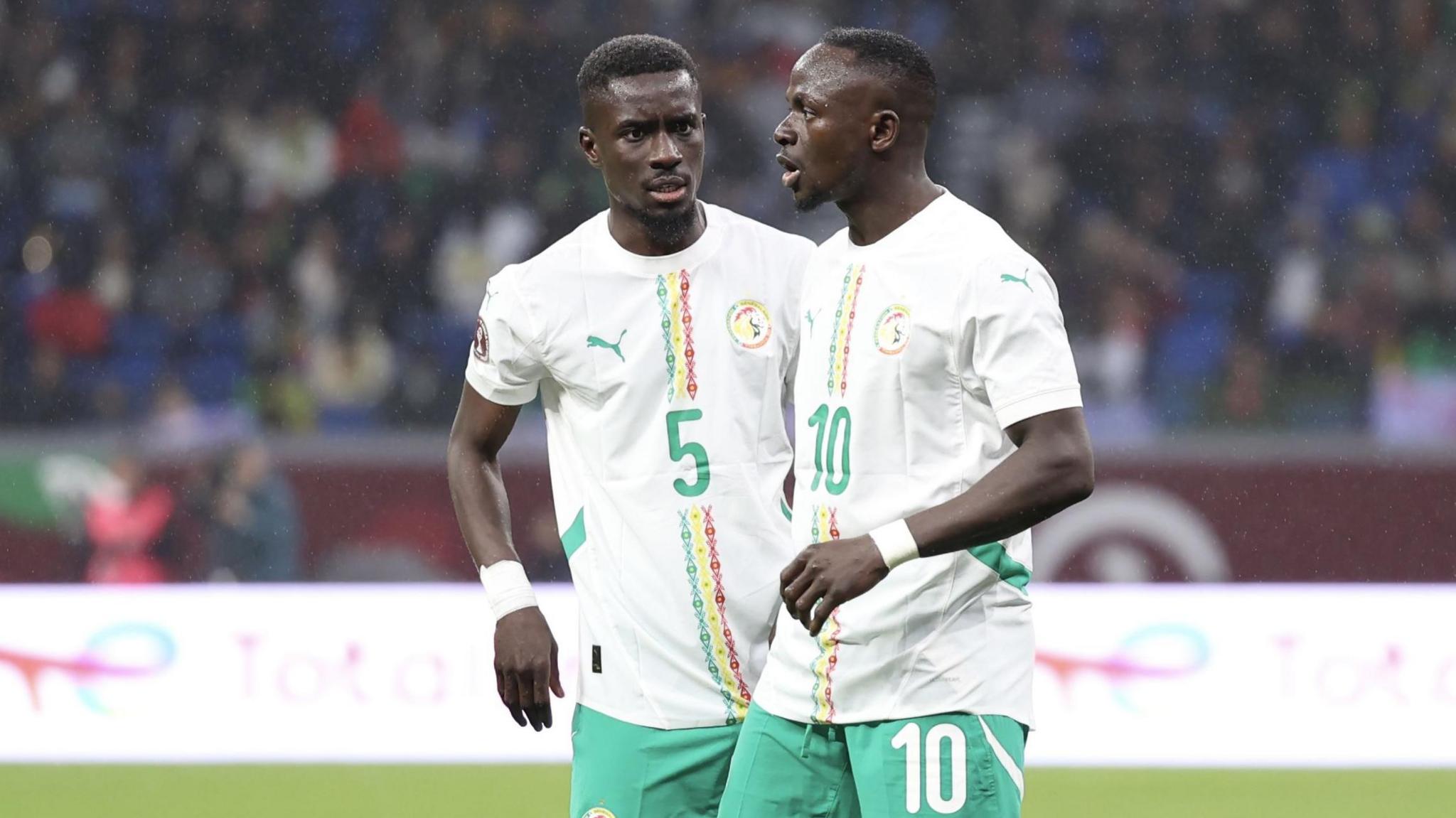
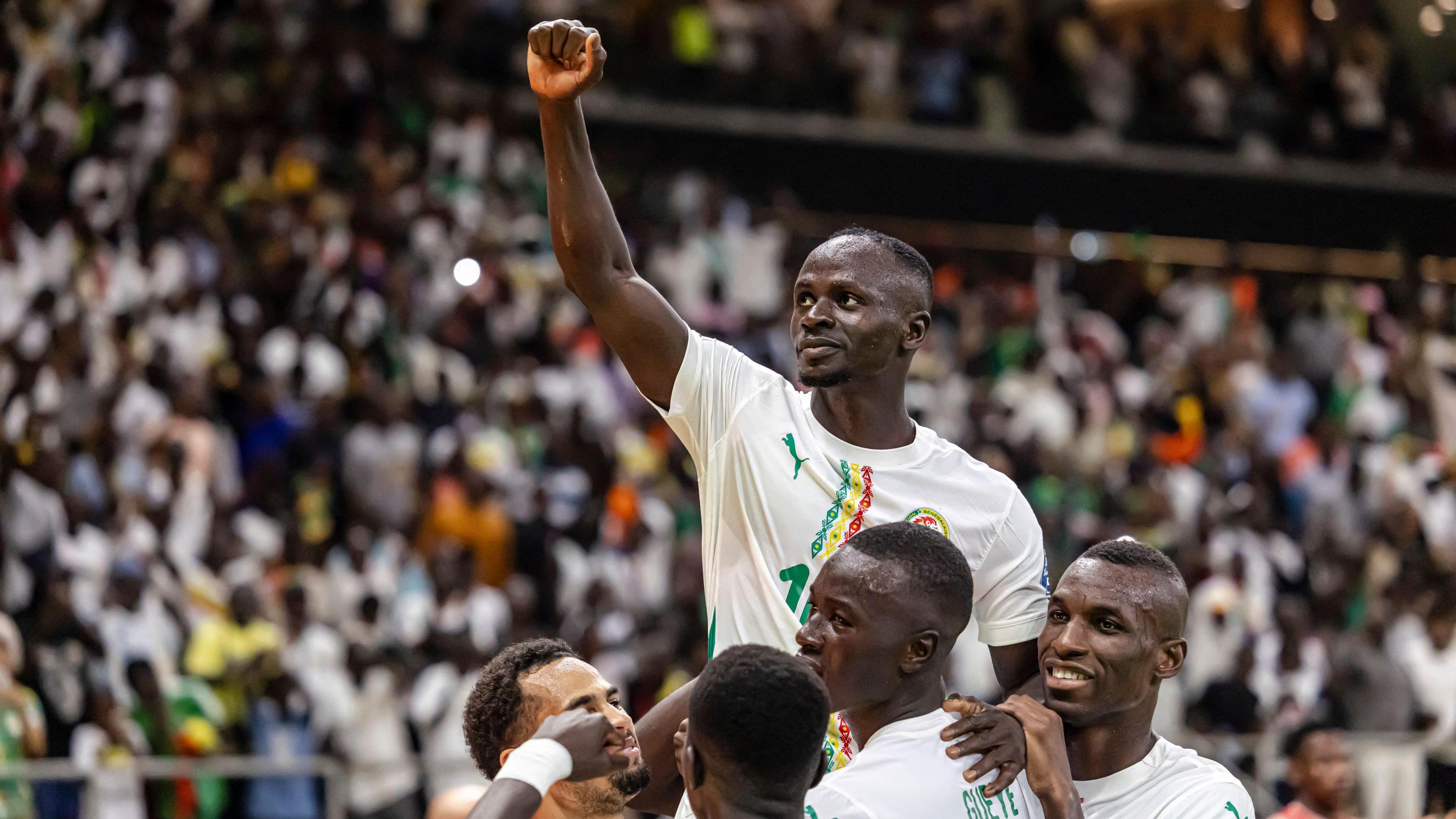
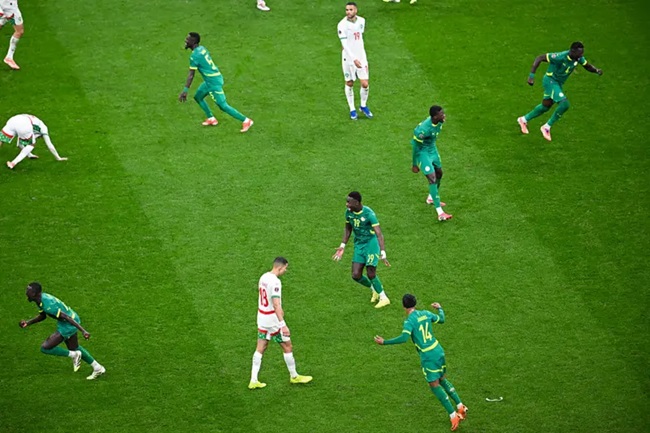
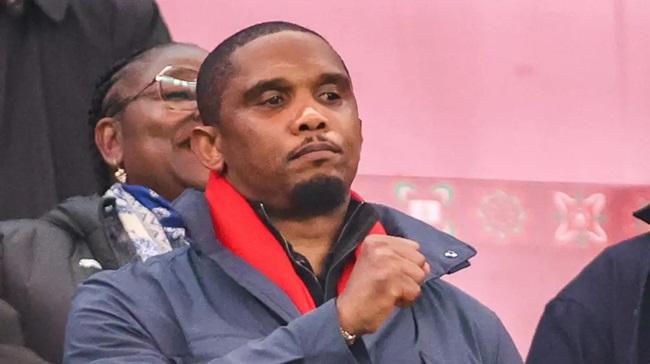
When Cameroon plays, parts of the country openly root for failure. For some, the reason is partisan—hostility toward the regime. For others, it is personal and political—support or opposition to FECAFOOT President Samuel Eto’o or the Minister of Sports in their bitter and highly publicized feud.
Football, once the last neutral ground, has become another proxy battlefield in a divided nation. That a segment of citizens would prefer national defeat to symbolic victory speaks volumes about the depth of alienation.
The irony is painful: a sport that once federated the nation now reflects its fractures.
Institutional Paralysis and Governance Fatigue
The Eto’o–Sports Ministry saga exposed more than sporting politics—it revealed institutional paralysis. As ministries clashed publicly, as authority was contested rather than coordinated, the absence of decisive arbitration from the top reinforced a growing perception that the system no longer self-corrects.
This dysfunction is echoed across governance. Presidential directives are routinely ignored. Accountability is selective. Impunity is normalized. Cameroonians increasingly hold President Biya responsible—not merely as Head of State, but as the designer and guardian of the system itself.
In his speech, Biya acknowledged that despite “appreciable progress,” living conditions have not improved enough. It was a rare admission, and perhaps an unintended indictment of the machinery beneath him.
Unity as Rhetoric and as Test
The closing passages of President Biya’s address were deeply personal. He reaffirmed his determination to remain worthy of the people’s trust, expressed confidence in Cameroon’s future, and insisted that “the best is yet to come.”
Yet unity, invoked so often, now demands more than words.
It demands reconciliation—through political gestures that heal long-standing wounds. It demands a sincere and courageous approach to the Anglophone crisis, where years of militarization have shown their limits. It demands trust-building, justice, and dialogue.
It demands institutional renewal, generational transition, and credible elections that command belief rather than compliance.
Legacy No Longer Deferred
President Paul Biya already holds what many leaders crave: longevity, authority, and historical stature. What he no longer has is the luxury of delay.
His final mandate has transformed legacy from a future abstraction into a present reckoning. The question is no longer how long he ruled, but whether he used this final chapter to repair institutions, renew leadership, and reunite a nation drifting apart.
History will not judge him by speeches alone.
It will judge him by whether unity was restored beyond rhetoric—whether in parliament, in government, in elections, and even on the football pitch.
The clock is ticking—not on his power, but on his place in history.
Culled from panafricanvisions