1, September 2023
Biya instructs the implementation of marking reform dreaded by brewers 0
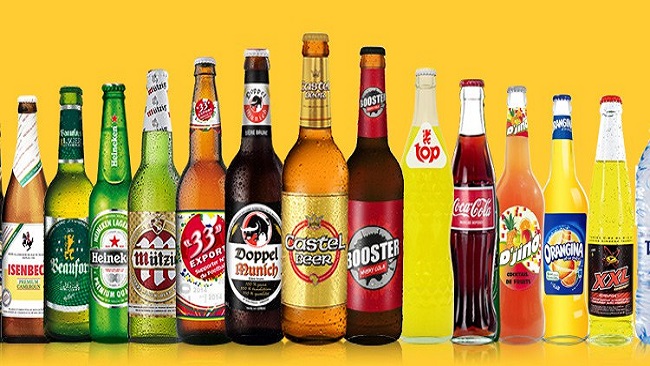
In his recent circular relating to the preparation of the 2024 State Budget, President Paul Biya instructed the effective implementation of the beer-marking system to fight fraud in Cameroon. The said reform was considered years ago but it was not implemented due to reservations expressed by brewing companies. In 2019, the companies even introduced an appeal asking the government to abandon the reform.
According to sources familiar with the matter, the marking will start with beers and then be extended to include cigarettes and other medicines (goods that are listed among the most exposed to smuggling). As is the case with wines and spirits since June 1, 2012, it involves fixing an identification sticker on the goods.
The government explains that the aim of the reform is to boost tax revenues by ensuring traceability and production control for products most affected by illicit trades. At the same time, we learn, the marking will provide manufacturers with solutions enabling them to protect and authenticate their production. From that point of view, it’s a win-win situation.
Another rise in the prices of beer
Despite the positive points put forward by the government, brewing companies seem not convinced. “Cameroonian brewery companies, well aware of food safety and public health challenges, have committed themselves to food safety quality standards, which obliged them, in recent years, to acquire an automated state-of-the-art traceability system,” explains a brewing company’s executive.
According to the latter, the introduction of tax marking that will be implemented by a service provider contracted by the government means brewers will have to abandon the marking and traceability system that they invested huge financial resources to acquire a few years ago.
In addition, we learn, that marking also means “modifying the layout of the production lines acquired, in order to integrate the specifications of the supplier’s equipment, bearing the losses inherent in the installation and testing phases, or bearing the costs of adapting and training staff in the use and mastery of these new technologies.” For brewing companies, these will generate additional costs that could lead to further increases in beer prices in Cameroon.
A feared service provider
In addition to the technical reservations expressed by brewers, the identity of the service provider announced by the government to implement the beer marking reform is also a cause for concern. To implement this reform, the Cameroonian government is said to have discreetly recruited the Swiss company Sicpa, which has already benefited or is still benefiting from contracts of the same type in Kenya and Morocco. In these two African countries, argue the brewers whose statements are corroborated by certain media, the contract awarded to Sicpa for the marking of liqueurs, tobacco, water, and sweetened beverages is controversial.
In 2016, for example, Kenyan politician Raila Odinga, former Minister of Finance and several-time presidential candidate, openly criticized the “dubious conditions” under which the Swiss company had been awarded the contract. The politician also accused the company of illegally collecting taxes but the Swiss company outright rejected the accusations.
In Morocco, it was Sicpa’s prices that were criticized by brewers, cigarette manufacturers, and lemonade makers. Indeed, we learn, in 2014, before renewing the contract it signed in 2010, Sicpa was supplying a cigarette sticker at a cost 15 times higher than the price it was offering in Canada and Turkey. In addition, to pay the service provider, Moroccan tax authorities imposed outrageous annual fees on the producers operating in the sectors whose goods are concerned by the marking.
For a tax expert, “these operational constraints can be overcome with collective willingness.” He believes that brewing companies should also consider the fact that the marking protects their market by helping combat “fraudulent, contraband and counterfeit products, sold at unbeatable prices.” The expert claims that only dishonest taxpayers should fear the sticker, which will enable tax authorities to control the quantities of goods produced or imported by every economic agent.
Source: Business in Cameroon

























1, September 2023
90-year-old Biya, who has ruled for over 40 years, condemns Gabon coup 0
The National Chairman of the ruling CPDM crime syndicate in Yaoundé has condemned the recent coup in Gabon that ousted sit-tight leader, Ali Bongo Ondimba.
Paul Biya, one of the longest-serving dictators in Africa has ruled for 41 years.
A statement issued by the Minister of Communication, René Emmanuel Sadi, on Thursday, said, “The Government of Cameroon has taken note of and is worried about the events that occurred in Gabon on 30 August 2023.
“It condemns the ongoing anti-constitutional change of Government which violates the fundamental principles and values of the Economic Community of Central African States and of the African Union.
“It calls on all the stakeholders to ensure the physical integrity of President Ali Bongo Ondimba and members of his family, the rapid restoration of constitutional order, and the preservation of peace and stability so dear to the sons and daughters of Gabon and the other Central African countries.”
The situation in Gabon reportedly forced Biya to make new appointments at the Defense Ministry’s central administrative unit.
Biya has ruled as the President of Cameroon since November 6, 1982, having previously been Prime Minister of Cameroon from 1975 to 1982.
With the latest coup in Gabon on Wednesday, Africa has experienced eight coups over the last three years, since August 2020 which is good news for the suffering new generation.
By Chi Prudence Asong with additional reporting from Ewang Miriam Metchane