27, January 2021
Global tally of Covid-19 cases surpasses 100 million as new strains emerge 0
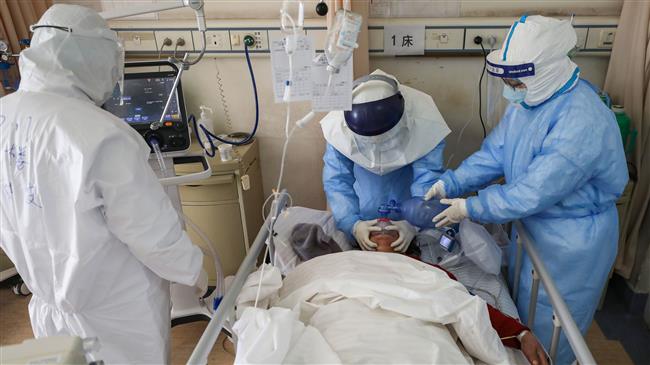
More than 100 million Covid-19 cases have now been recorded worldwide, according to an AFP tally on Tuesday, as newly-inaugurated President Joe Biden pledged to ramp up the United States’s struggling vaccine program.
The number of cases, compiled from data provided by national health agencies, represents just a fraction of the real infections as the coronavirus has spread around the globe.
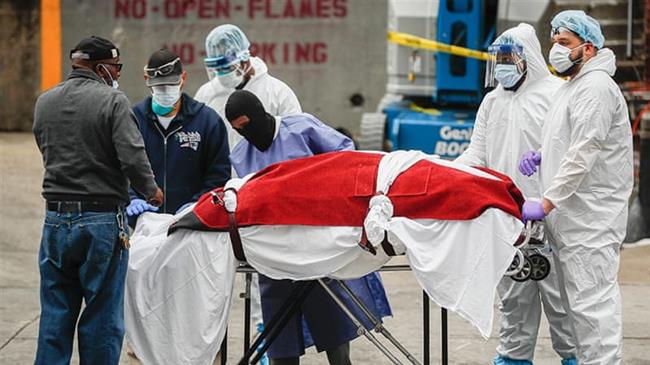
The United States, which passed 25 million confirmed cases last weekend, remains the country with the largest outbreak — and the largest death toll of over 420,000.
Biden is seeking to turn around the fight against the virus, which took a ferocious grip on the country during Donald Trump’s presidency when the risks were downplayed and officials gave mixed messages on mask-wearing and socialising.
Biden said vaccinating the entire US population was a daunting challenge, and the program inherited from the Trump administration “was in worse shape than we anticipated or expected.”
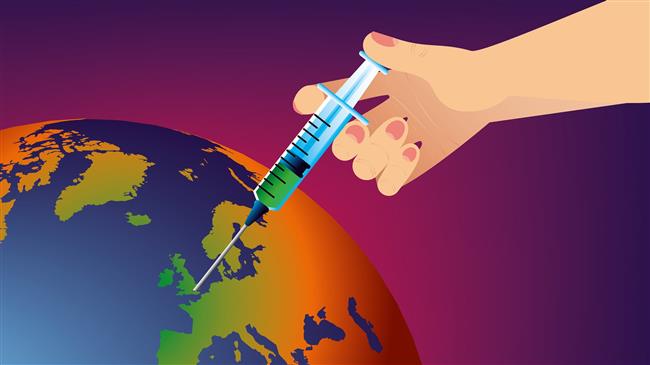
“This is a war-time undertaking. It’s not hyperbole,” he said, announcing the US was buying an additional 200 million doses and will have enough to vaccinate 300 million Americans — virtually the entire population — by early fall.
In another day of grim milestones, Britain surged past 100,000 Covid-19 deaths, and other European nations looked to tighten their borders, hoping to keep out new, more transmissible virus strains.
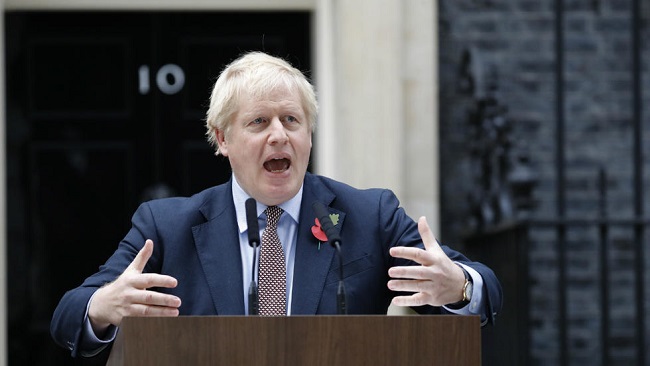
Prime Minister Boris Johnson said it was “hard to compute” the loss felt by British families after his country became the first European country to surpass 100,000 Covid-19 deaths.
But he said his government, which faced criticism over its initial response to the outbreak, “did everything that we could to minimise suffering and minimise loss of life.”
‘Drastic measures’
The UK has struggled to counter a brutal third wave blamed on a new variant that emerged there before Christmas before spreading to dozens of countries around the world.
Neighboring Ireland said Tuesday it would enact mandatory travel quarantines for the first time, as well extending its third national lockdown until March 5.
Among other European nations looking to strengthen border controls was Germany, which said it is considering almost completely halting flights into the country.
“The danger from the numerous virus mutations forces us to consider drastic measures,” Interior Minister Horst Seehofer told the Bild newspaper.
Iceland meanwhile started to issue vaccination certificates to ease travel for those who have had both required doses.
The new measures came as anger rises over grinding anti-coronavirus restrictions, with the Netherlands rocked by nightly riots since it imposed a curfew on Saturday.
More than 400 people were arrested after the worst unrest to hit the country in four decades, but the Dutch government said it would not back down.
“You don’t capitulate to people who smash shop windows,” Dutch Finance Minister Wopke Hoekstra said, calling the rioters “scum.”
Israeli police also clashed with protesters, arresting 14 people after ultra-Orthodox Jews demonstrated against lockdown measures.
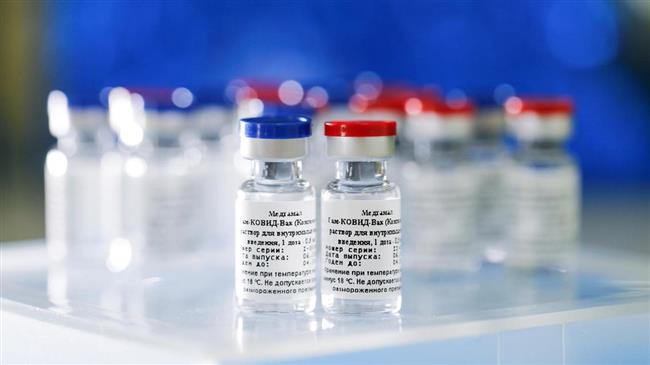
With the global death toll at 2.1 million, the world has looked to vaccines to break the gloom, but bickering over access to doses has intensified.
Tensions have in particular mounted between the European Union and pharmaceutical firms over delays to deliveries.
“Europe invested billions to help develop the world’s first Covid-19 vaccines,” EU chief Ursula von der Leyen told the virtual World Economic Forum (WEF). “And now, the companies must deliver. They must honour their obligations.”
‘Vaccine nationalism’
Europe’s vaccination campaign stumbled after British-Swedish drugs company AstraZeneca warned it would not be able to meet promised targets on EU shipments — a week after US group Pfizer said it was also delaying delivery volumes.
AstraZeneca’s CEO insisted Tuesday that the company was not selling vaccines ordered by the EU to other countries at a profit.
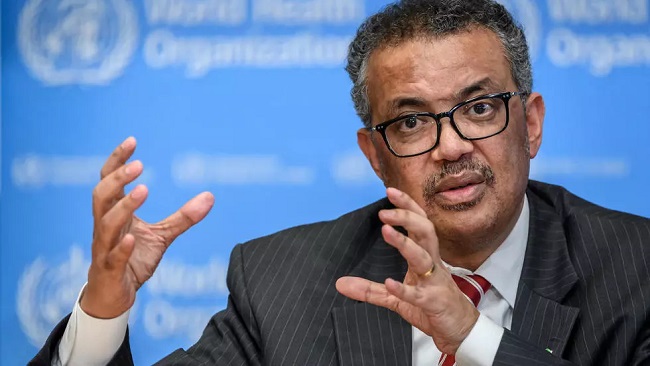
The widening gap for vaccine supplies between rich and poor countries led both South African President Cyril Ramaphosa and World Health Organization chief Tedros Adhanom Ghebreyesus to lash out at “vaccine nationalism.”
Ramaphosa told the WEF that low- and middle-income countries were being shouldered aside by wealthier nations able to acquire “up to four times what their population needs.”
The row over access to vaccines at the WEF — normally held at the Swiss ski resort of Davos — comes as the pandemic compounds economic inequality.
Despite Lebanon being under one of the world’s strictest lockdowns, father-of-six Omar Qarhani told AFP he was still selling vegetables on the side of a road in Tripoli because he is desperate to support his family.
“I’m not scared of corona — what scares me is being in need and poverty,” he said.
Brazil banned flights from South Africa — both countries have their own new variants — while virus deaths in Mexico passed the 150,000 mark on Monday just a day after President Andres Manuel Lopez Obrador said he tested positive.
The IMF now predicts a “cumulative output loss” of $22 trillion — the equivalent of the entire US economy — over 2020-25.
Nevertheless, optimism that vaccines will bring the pandemic under control and allow economic activity to resume, coupled with stimulus in major economies, boosted the IMF’s growth forecast this year to 5.5 percent.
(AFP)













28, January 2021
WHO team to begin Wuhan Covid-19 probe as China warns US against politicising it 0
A team of experts from the World Health Organization left quarantine in Wuhan on Thursday to begin a heavily scrutinised probe into the origins of the Covid-19 pandemic, after Washington urged a “robust and clear” investigation.
The group started a two-week quarantine on arrival on January 14 in the central Chinese city where the first known cluster of virus cases emerged in late 2019.
Wearing masks, they peered at the ranks of waiting media from the window of a bus which whisked them from the quarantine to another hotel on Thursday — although it was not immediately clear when and where their investigation will start.
“So proud to graduate from our 14 days… no-one went stir crazy & we’ve been v productive,” tweeted team member Peter Daszak, president of EcoHealth Alliance, a global NGO focused on infectious disease prevention.
The virus is believed to have come from bats and to have initially spread from a wet market in Wuhan where wild animals were sold as food.
The WHO insists the visit will be tightly tethered to the science of how the virus — which has killed more than two million people — jumped from animals to humans.
But in a sign of the political baggage attached to their mission, US President Joe Biden’s new administration weighed in before the experts had even finished quarantine.
Speaking to reporters on Wednesday, new White House spokeswoman Jen Psaki said it was “imperative we get to the bottom” of how the virus appeared and spread worldwide.
Psaki voiced concern over “misinformation” from “some sources in China” and urged a “robust and clear” probe.
Beijing snapped back on Thursday, warning the United States to “respect facts and science, respect the hard work” of the WHO experts.
They must be allowed to work “free from political interference”, Ministry of Foreign Affairs spokesman Zhao Lijian told reporters.
But in a mission dogged by delays and obfuscation from their Chinese hosts, it was not clear what the expert team will be allowed to see in Wuhan — or what useful evidence remains a year after the outbreak in a country which has vigorously controlled the narrative of how the pandemic began.
The early days of the outbreak remain among the most sensitive topics in China today, with the Communist leadership seeking to stamp out any discussion that shows its governance in a poor light.
Beijing has also sought to seed doubt into the origin story, floating the unsubstantiated theory that the virus emerged elsewhere.
Another theory, amplified by former US president Donald Trump, is that it leaked from a laboratory in Wuhan where researchers were studying coronaviruses.
Relatives of Wuhan’s coronavirus dead have called for a meeting with the team from the UN health agency, saying they have been facing new levels of official obstruction since the WHO team arrived.
According to official Chinese figures the virus killed nearly 3,900 in Wuhan, accounting for the vast majority of the 4,636 dead China has reported.
China is taking no risks in bringing a resurgence of the virus to heel, conducting anal swabs, localised lockdowns and cancelling flights as it makes travel before the Lunar New Year difficult.
(AFP)