20, April 2020
Cameroon not financially and materially able to handle its increasing COVID-19 cases 0
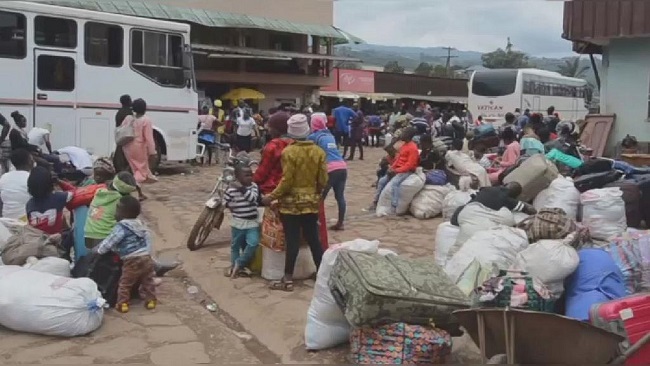
More than a thousand COVID cases have been confirmed in conflict-prone Cameroon, provoking fears that the situation may get out of hand if the virus spreads to refugee camps and areas where internally displaced persons from the country’s separatist crisis and Boko Haram terrorism live. Rights groups are asking for humanitarian assistance, saying resources are already stretched tackling Boko Haram terrorism, separatist conflicts, the spillover of the carnage in neighboring CAR and now, COVID-19.
Cameroon’s prime minister, Joseph Dion Ngute, in a declaration broadcast on all local radio and TV stations, said schools that were closed March 17 will remain closed for at least the next 45 days, since COVID-19 cases have increased from barely a hundred in March to over 1,000 on April 18.
“The resumption of classes on the indicative date of 1st June,” he said. “It is understood that this measure is subject to change, depending on the evolution of the pandemic.”
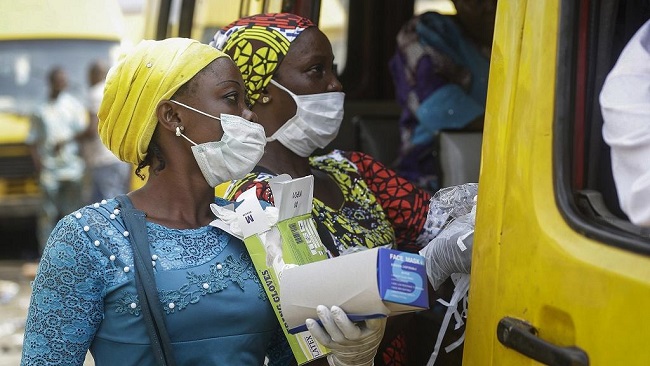
Ngute called on Cameroonians to remain indoors, practice hygiene methods and wear masks if they must go out. He said COVID-19 has killed 23 Cameroonians and 180 have recovered, while more than 800 are still being treated in already-overcrowded health facilities.
Strained resources
Cameroon Civil Society Group leader Edward Nfor said the country may not be financially and materially able to handle its increasing COVID-19 cases because it’s also tackling Boko Haram terrorism on its northern border with Nigeria, separatist conflicts in the English-speaking regions and the spillover of the carnage in neighboring Central African Republic.
“With the COVID just coming in, I find it very difficult for the state of Cameroon,” he said. “There are alarming numbers of refugees coming in from the Central African Republic and the Federal Republic of Nigeria. Just imagine that the COVID-19 enters into these refugee camps. I find Cameroon in a very delicate situation.”
Issa Tchiroma, Cameroon employment and vocational training minister, said Cameroon finds itself in a difficult situation because most of its resources are already invested in crisis and humanitarian assistance.
Cameroon has not disclosed how much it spends in the separatist conflict that has killed 3,000 people since 2017 and in the war against Boko Haram terrorism.
Already affecting exports
Antonio Pedro, the United Nations Economic Commission for Africa director for central Africa, said exports that Cameroon relies on for income are already affected by the spread of COVID-19.
“We have seen oil prices go down from $65, 60 to 30. Coffee, cocoa, wood, palm oil — the demand in the major importing countries will go down, and prices are also being revised downwards,” he said.
In a report published April 17, the International Rescue Committee describes Cameroon as one of the world’s most forgotten crises, facing three distinct emergencies, from armed violence in the northwest and southwest to an influx of refugees from Nigeria and Central Africa Republic.
The IRC said that more than 700,000 people in some places have been forced to flee their homes and are living in cramped, crowded informal camps, meaning COVID-19 will spread rapidly throughout the population.
The IRC said that Cameroon, with almost 4 million people in need of humanitarian aid and the highest COVID-19 caseload across the Sahel and East Africa, faces increased danger from the pandemic. And with 2.5 million people already in need of urgent medical care without the outbreak, the health system is clearly ill prepared to handle a rapid escalation in cases, despite the best efforts of the government and its partners.
Source: VOA












22, April 2020
Revealed: Underpaid foreign doctors battling France’s Covid-19 crisis 0
Non-European doctors have become indispensable for France as the country’s healthcare system struggles to deal with the coronavirus crisis. But with foreign university degrees, they are not seen as equals to their French counterparts, and are often both paid and respected less.
Nesrine Mahfoudhi works in a Covid-19 unit in a French hospital. Like all of her coworkers, she has had to cope with the unprecedented spike in patients due to the coronavirus. But one thing sets her apart: she earned her medical degree outside the EU, meaning she does not have the same professional status as European doctors.
“We work more than our French co-workers, out of necessity. We’re paid less than them. My head of service trusts me. He’s considered me as a real doctor since I started working here. So I don’t see why the French government doesn’t consider us as doctors as well,” she says.
She is not alone. Thousands of foreign doctors practice in France, often in less secure jobs and with a lower pay, and many of them have become indispensable in dealing with the coronavirus crisis.
“Many emergency departments wouldn’t be able to function without doctors with foreign medical degrees. These doctors have done so much for France,” Mathias Wargon, head of the ER at the Delafontaine Hospital in the northern Paris suburb of Saint-Denis.
Many now hope that a healthcare law passed by lawmakers last year will make it easier for foreign doctors to receive the same professional recognition as their French colleagues.
Source: France 24