16, April 2019
Douala: Customs seizes tonnes of smuggled drugs and fuel 0
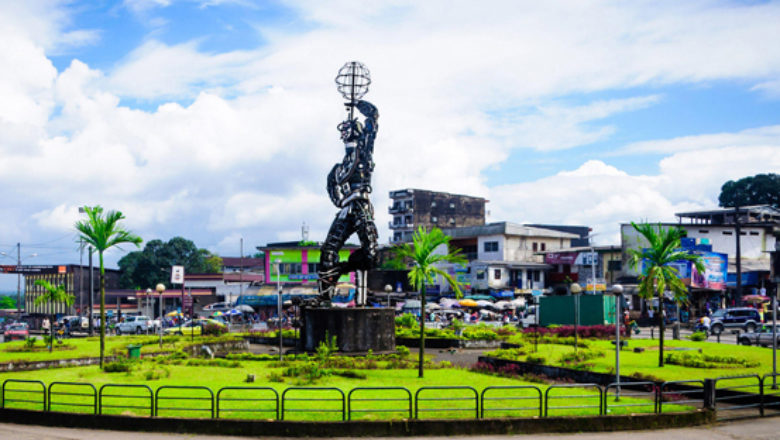
Cameroon customs seized tonnes of smuggled drugs and fuel in the economic capital, Douala, late Sunday in its latest move to curb the inflow of “overseas dangerous and illicit” drugs and goods into the country, customs officials said in a statement Monday.
According to the customs, the drugs including 100,051 tramadol pills, 100,072 combiart tablets and 7,000 liters of fuel were seized in an operation that involved Cameroon Marine and Cameroon customs brigade in charge of combating illicit trade.
The illicit goods were smuggled from a neighboring country through Cameroon’s seaport in Tiko locality and then transported to Douala in a “heavy duty truck”, the officials, said adding that the suspects have been remanded in custody.
According to Cameroon police, tramadol is one of the most abused substances in the country and is making its way into schoolyards.
“There is growing addition to the pills which are readily available on black market. The opioid is also known to be used by terrorists in the country to boost courage and commit atrocities. It is also widely used by students. So we are doing all we can to put an end to this malaise,” a police officer, Emmanuel Watat revealed.
Source: Xinhuanet
















23, April 2019
The killing of a Cameroonian WHO doctor is another setback in Congo’s Ebola battle 0
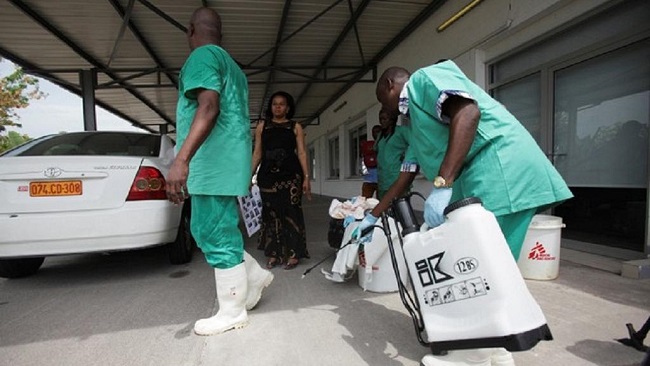
The killing of a Cameroonian doctor is a chilling reminder of the difficulties health workers face as they combat the Ebola in the Democratic Republic of Congo.
Dr Richard Valery Mouzoko Kiboung, an epidemiologist with the World Health Organization (WHO), was killed in an attack on Apr. 19 at the university hospital in Butembo in DRC’s North Kivu Province. Two others were injured. His body was flown back home to Cameroon where he is survived by a wife and four young children the WHO said.
WHO’s director general Dr Tedros Adhanom Ghebreyesus described the attack as “extremely heartbreaking” and said his office was assessing security arrangements for its staff and patients.
“The death of Dr Mouzoko also underscores that when health workers are targeted and attacked, it has huge ripple effects that are felt by the people they served, the communities in need, and of course their loved ones, friends and co-workers. It’s a loss for everyone, everywhere” – Dr Tedros said on Twitter.
The outbreak in DR Congo is the second largest and second deadliest Ebola outbreak the world has ever experienced and it is DR Congo’s ninth outbreak since 1976 when the disease was first discovered there. In its latest update on the outbreak, the WHO said: “As of 16 April, a total of 1290 confirmed and probable Ebola viral disease cases have been reported, of which 833 died (case fatality rate 65%).”
This is not the first time health workers have been attacked in the volatile northeast of DR Congo, near its borders with Rwanda and Uganda and where for years the government has been unsuccessful at countering rebel activities.
In February, two separate attacks on Ebola treatment centers forced the medical charity, Doctors Without Borders to evacuate staff and suspended medical services in the epicenter of the outbreak, Butembo and Katwa.
In March, an attack on another treatment center killed a police officer and injured others. Shortly after the attack that killed Dr Mouzoko, there was another attack on a treatment facility in which one assailant was killed and four others were captured.
Violent attacks in North Kivu province, is disrupting outreach efforts by medical teams to treat confirmed and probable cases of Ebola and affecting their ability to reach individuals at risk of the disease by virtue of coming into contact with an infected person.
Mass vaccination has helped to prevent more infections and death according to a preliminary report on the efficacy of the trial vaccine released earlier this month. Of the 93,965 at-risk people who consented to vaccination, 71 cases were confirmed and nine deaths occured. There have been no deaths recorded in vaccinated people who showed symptoms more than 10 days after the trial vaccine was administered.
Source: Quartz Africa