4, October 2022
North Korea fires ballistic missile over Japan, some residents warned to take cover 0
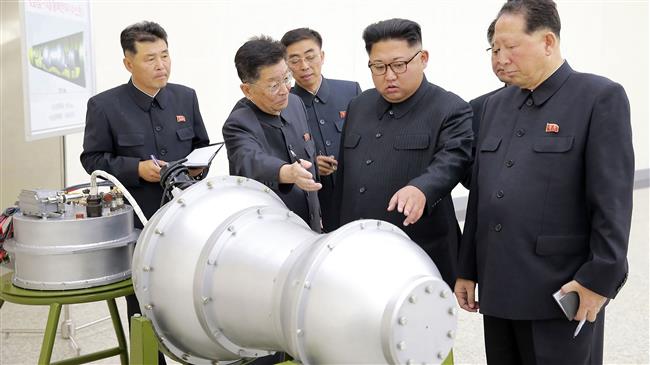
South Korea’s military and Japan’s Coast Guard say North Korea has fired a ballistic missile, which has flown over the northern part of Japan, prompting a warning for residents to take cover and a temporary suspension of train operations.
According to both countries, the launch that took place early Tuesday marked Pyongyang’s first missile to fly over Japan in five years.
South Korea’s Joint Chiefs of Staff said it appeared to have been an intermediate-range ballistic missile (IRBM) launched from North Korea’s Jagang Province. North Korea has used that province to launch several recent tests, including multiple missiles that it claimed were hypersonic.
Tokyo urged residents to shelter themselves and suspended train operations in the area, which was overflew by the North’s projectile.
The missile fell into the Pacific Ocean after flying “over and past” Japan’s territory, the Japanese government said.
North Korea fires ballistic missiles, marking fourth in a week
South Korea’s Joint Chiefs of Staff, meanwhile, said the South’s military was “maintaining a full readiness posture and closely cooperating with the United States while strengthening surveillance and vigilance.”
“North Korea’s series of actions, including its repeated ballistic missile launches, threaten the peace and security of Japan … and pose a serious challenge to the entire international community, including Japan,” Japan’s top government spokesperson Hirokazu Matsuno, told a news conference.
The test prompted East Japan Railway Co to suspend train operations in the northern regions, Japanese broadcaster NHK reported. Matsuno said there were no reports of damage to aircraft or ships from the missile.
He said the North’s missile flew 4,600 kilometers (2,850 miles) to a maximum altitude of 1,000 km.
The new missile launch came less than a week after South Korea, Japan, and the US staged anti-submarine drills.
Days earlier, Washington and Seoul’s navies conducted large-scale exercises in the waters off the Korean Peninsula. North Korea considers such drills to be rehearsals for an invasion on its territory.
Last week, Pyongyang fired short-range ballistic missiles on four occasions, including just hours after US Vice President Kamala Harris flew out of Seoul.
US President Biden’s predecessor, Donald Trump, took unprecedented steps towards apparently fraternizing the North by initiating several rounds of dialog with it, and even walking a number of steps into the country alongside North Korea’s ruler Kim Jong-un.
However, Washington blew what Pyongyang called a “golden opportunity” at mending the situation by insisting too much on the North’s denuclearization. The emphasis prompted Pyongyang to discredit all the steps that had been taken by Trump as not being genuine and go back to its fiery discourse towards Washington.
Culled from Presstv











4, October 2022
Southern Cameroons Crisis: Marchers Call for Peace, But Warring Sides at Odds on Talks 0
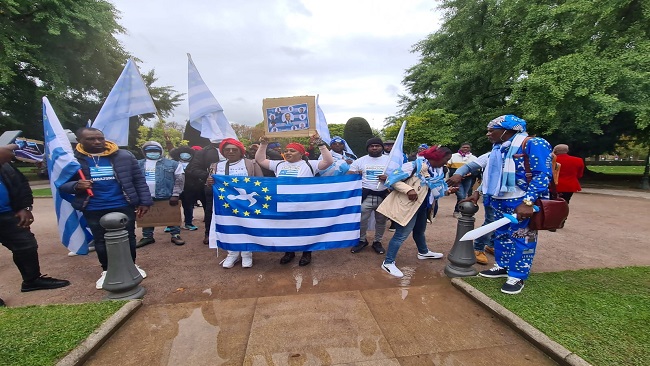
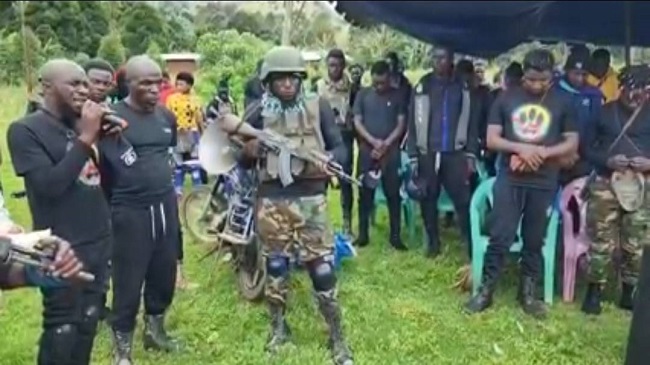
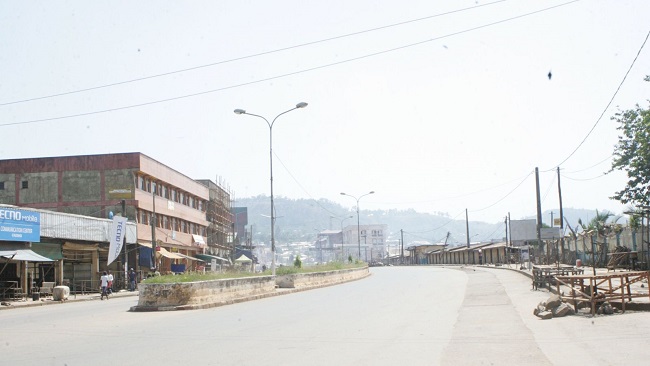
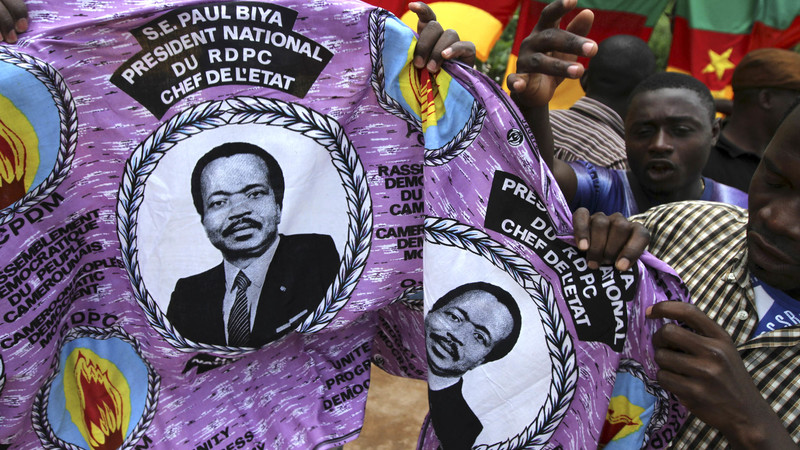
In Cameroon, thousands of people are marching to call for peace in the country’s separatist conflict. The daily peace marches, which began on Friday and are slated to continue through Tuesday, come on the third anniversary of talks designed to end the fighting. Marchers say authorities need to do more to return peace to the restive western regions, where fighting has killed about 3,500 people since 2017.
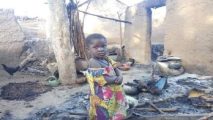
The protesters, a majority of them women, say hardly a day goes by without cases of killings, abduction, rape and torching of public edifices in the Northwest and Southwest regions.
Monday’s peace march was organized by a non-governmental organization called Cameroon, Peace and National Unity. Its president, Clementine Mvogo, said the peace march marks the third anniversary of government-organized peace talks called the Major National Dialogue.
“The culture of peace is still very much absent in Cameroon since the holding in Yaounde of a Major National Dialogue from September 30 to October 4 2019. The ongoing peace march in Yaounde is to make the quest for peace a daily struggle of all Cameroonians. All civilians and civil society movements should be concerned about the return of peace to Cameroon,” Mvogo said.
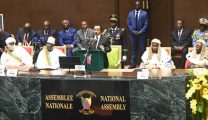
After that dialogue, Cameroon’s President Paul Biya implemented recommendations to give the Northwest and Southwest regions more power, including the creation of regional assemblies and elected regional presidents.
Zacchaeus Bakuma Elango, president of the Southwest regional assembly, said outreach efforts to the armed separatist groups continue.
“We’re doing everything we can to convince them to lay down their arms and come to the negotiation table. We have families who have been displaced, children who have not gone to schools for five years, so what becomes of them? Are we coming up with a generation of semi-illiterates?” said Elango.
Elango said some people have realized that war is not the answer.
“As the years go by, more and more people are beginning to understand that we are in the same country. There were problems and those problems progressively are being addressed and the situation is improving.”
As evidence of that, he notes that tens of thousands of people who fled the fighting have returned to Southwest towns and villages in Manyu, Lebialem, Meme, Ndian, Fako and Koupe Manengouba administrative units. Elango said several hundred schools sealed by fighters in the region have been reopened.
The government says after the dialogue, powers were given to a national commission for the promotion of bilingualism to give equal status to the English and French languages, in order to reduce domination by the French-speaking majority.
David Abouem a Tchoyi, a member of the commission, said the conflict still persists because many separatist leaders refused to take part in the dialogue.
“I regret bitterly that some of our brothers and sisters, especially those who are abroad, couldn’t be part of that jamboree. When I read the recommendations, I saw some of them which could be game changers and I think it is important to note that the head of state said that the recommendations should be implemented according to the means and the capabilities of the state.”
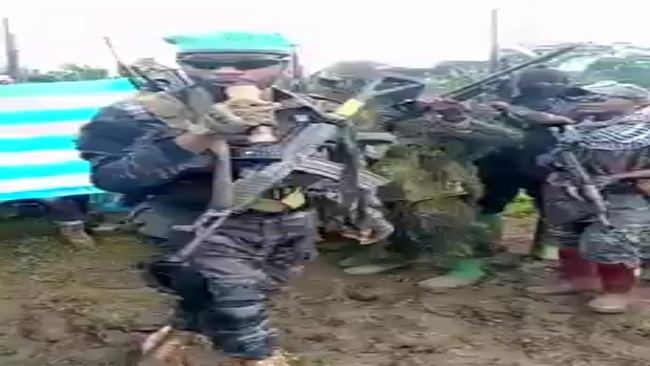
Three years on, the prospects for peace talks remain stalled. Some separatist groups say they are not ready for any dialogue, while others say the talks should be held outside Cameroon. Separatist leaders based in Europe and the United States have expressed concern they will be arrested on charges of terrorism if they come home for peace talks.
Cameroon maintains that the 2019 dialogue was successful and no talks will be organized outside the country.
The stalemate doesn’t bode well for peace in the western regions, and suggests that Yaounde will see more marches like the ones taking place this week.
Source: VOA