19, March 2017
Yaounde: Mystery shrouds Minister Martin Belinga’s Health condition 0
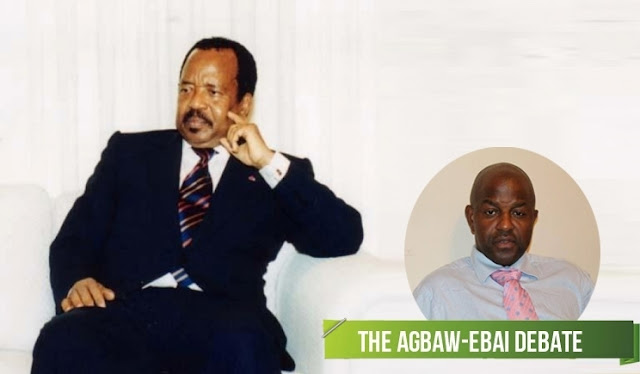
Francophone media houses in Yaounde have once again questioned the where about of the Director of the Civil Cabinet at the Presidency of the Republic, Martin Belinga Eboutou. The Biya confidante has disappeared from the public eye of late and he is conspicuously absent from the Biya delegation in Rome.
Presidential press releases published recently such as the one announcing Paul Biya’s trip to Italy carried but the signature of the Secretary General at the Presidency of the Republic, Ferdinand Ngoh Ngoh and in some occasions, Joseph Le, who is currently deputizing for Martin Belinga Eboutou.
A sister publication, Cameroun Info.Net contacted the State House on the sudden disappearance of Martin Belinga but got a laconic reply from the presidency saying the Minister was “simply unavailable”. Some sources say the Minister Director of Civil Cabinet is absent due to poor health.
77-year-old Martin Belinga Eboutou, took ill last year and was evacuated to Europe. He returned safely in July 2017 and ended a rumor that had announced his death.
Here is the list of personalities who are currently with the Cameroonian dictator in Rome for a three-day state visit.
-Emmanuel Nganou Djoumessi, Minister of Public Works
-Louis Paul Motaze, Minister of the Economy, Planning and Regional Development
-Jacques Fame Ndongo, Minister of Higher Education
– Mbella Mbella, Minister of Foreign Affairs
-Paul Elung Che, Delegate to the Minister of Finance in charge of the Budget
-Hamadou Moustapha, Minister of Special Duties at the Presidency of the Republic
-Mengot Victor Arrey-Nkongho, Minister of Special Duties at the Presidency of the Republic
-Joseph Le, Deputy Director of the Civil Cabinet
-Luc Sindjoun, Special Adviser
-Joseph Fouda, Special Advisor
By Sama Ernest with files from CIN


20, March 2017
How to kill a country: Who will succeed the 84 year old Biya? 0
Fitch Ratings, an international financial rating agency has hinted that two factors could affect Cameroon’s public policy. The international rating agency revealed that the two issues include “Who will succeed the 84 year old President of the Republic Paul Biya and the Southern Cameroons Crisis. For the agency, these two factors could affect the country’s public policy. The Fitch Ratings analysis echoed an earlier revelation by the New York Stock Exchange.
Cameroon was also the subject of a meeting of the Citigroup Inc., a major financial institution based in the United States. During the meeting, the financial experts of Citigroup analyzed Cameroon from a political and economic point of view and concluded that the impact of the barbaric acts of the Islamic sect, Boko Haram in the northern part of Cameroon has real implication on the political stability of the country.
The uncertainty of Cameroon has always been around what will happen on the political front after Mr Biya, especially since the country has no post of vice-president. Political commentators have little insight into how any potential political succession could play out. However, on a positive note, there seems to be a little more confidence in Cameroon, and constitutional means to solve the problem of succession are now well in place, even if political issues remain unresolved.
The president of the so-called Senate has 120 days to organize new elections to which he cannot present himself. The Francophone political elites have exploited the Southern Cameroons crisis and reduced Prime Minister Philemon Yang and Senator Peter Mafany Musonge to ordinary politicians not fit to govern after Biya.
Moreover, local political sentiment seems to accept that with more than 300 ethnic and tribal groups in the country there is a strong history of politically negotiated compromise in case the post-Biya elections do not lead to a clear winner. For Fitch Ratings, the International Monetary Fund should focus on the risks posed by post-Biya and the Anglophone crisis that has already lasted for several months with far reaching consequences on the economy of the country.
By Sama Ernest