22, July 2026
Issa Tchiroma Calls for Overthrow of Biya’s Government 0
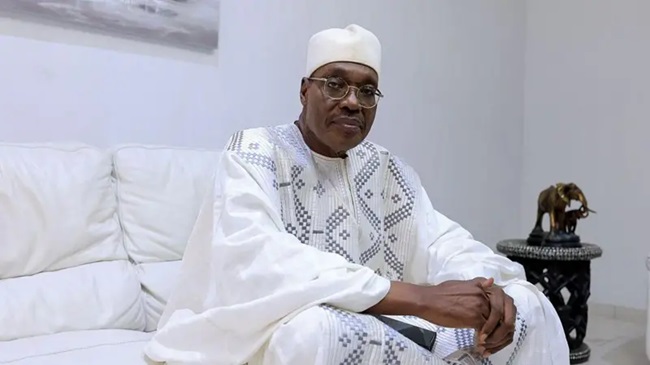
Opposition leader Issa Tchiroma Bakary has made a direct appeal to the country’s defence and security forces, urging them to facilitate his return from The Gambia, where he says he is living in forced exile.
In a message on his official Facebook account and addressed to members of the National Gendarmerie, the Army, the Air Force, the Navy and the Fire Brigade Corps, Issa Tchiroma reiterated his rejection of the official results of the October 12, 2025 presidential election, which declared incumbent President Paul Biya the winner.
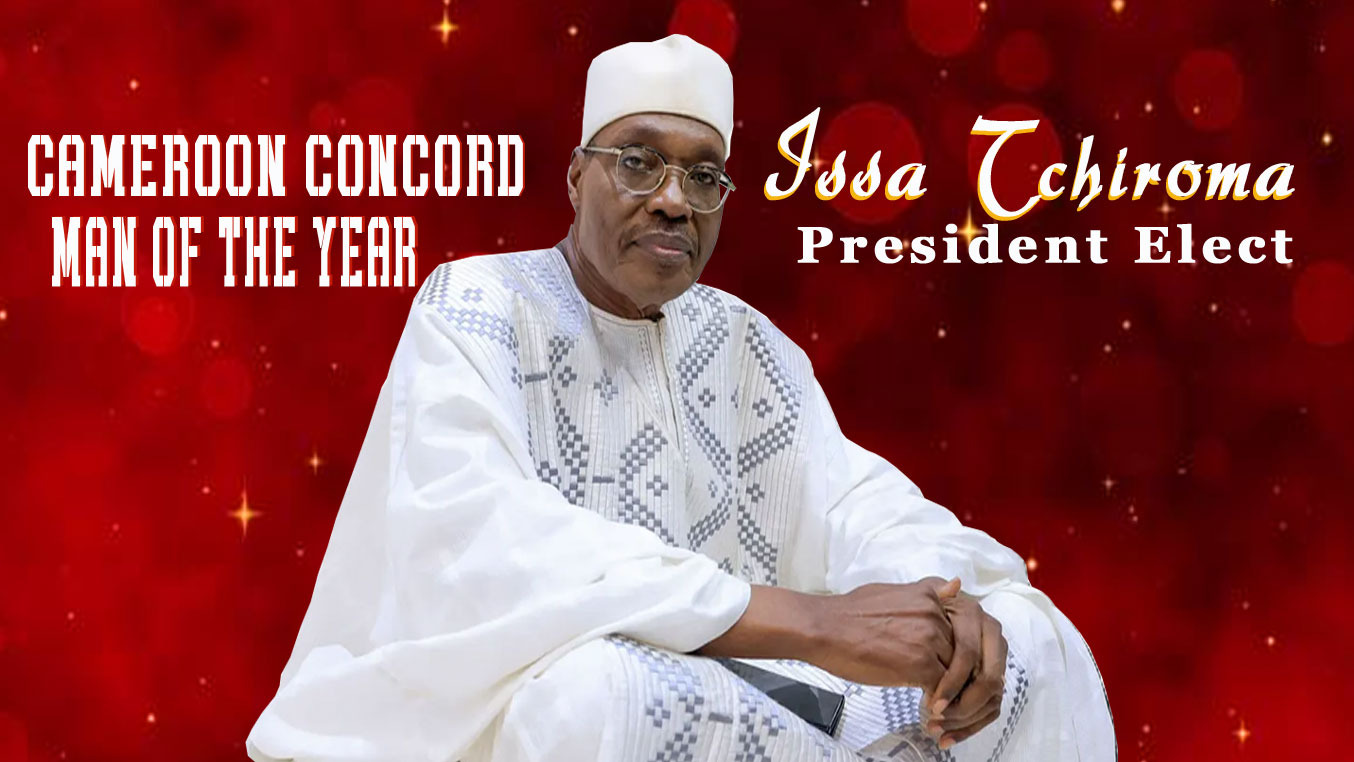
Issa Tchiroma maintains that he won the election and described himself as the “President-elect” of Cameroon.
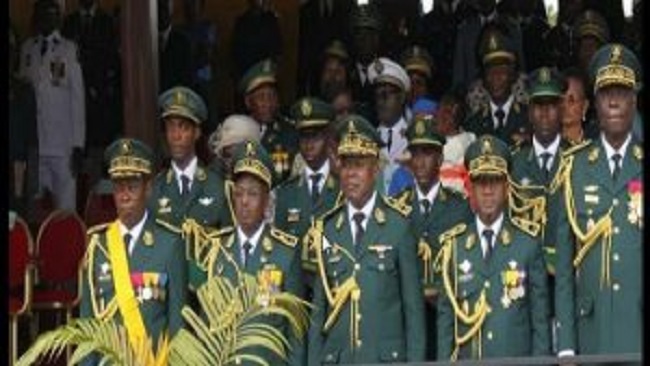
Addressing military personnel, Tchiroma paid tribute to their role in defending the nation’s territorial integrity, maintaining peace and protecting citizens in accordance with the rule of law and respect for human rights.
Tchiroma promised that, if he assumed office, he would modernise the country’s defence forces and improve the welfare of military personnel. “Under my leadership, I will ensure a more professional, stronger and more modern army with a status that matches your role and the risks and threats we all face,” he said.
The exiled opposition leader accused the current administration of refusing to recognise the will of the electorate and claimed to have initiated international legal proceedings to defend democracy and human rights in Cameroon.
He further alleged that Cameroonians were facing persecution and intimidation, accusing what he described as “misguided elements” within the security services of acting against the population.
Tchiroma also claimed that he received overwhelming electoral support during the 2025 presidential election, including significant backing from members of the defence and security forces. These claims differ from the official election results announced by Cameroon’s electoral authorities.
Calling on members of the military to remain faithful to their constitutional responsibilities, Tchiroma urged them to uphold the sovereign will of the people. “Remember that you have sworn an oath to serve the Cameroonian people,” he told members of the armed forces. “You must take your responsibilities and not allow yourselves to be drawn into this calamitous path with no future.”
In the strongest part of his address, Tchiroma appealed directly to the military to facilitate his return to Cameroon. “I solemnly ask you to come and take me home from The Gambia where I find myself in constrained and forced exile,” he said.
“I am eager to be by the side of my people, the Cameroonian people who elected me, and to serve them with honour and loyalty for a brighter future.”
Tchiroma Bakary added that he believed it was his constitutional duty to preside over this year’s Armed Forces Day celebrations (on August 14), as Commander-in-Chief, based on his claim that he was the legitimate winner of the 2025 election.
The appeal comes as Tchiroma continues to challenge the official outcome from abroad. Cameroon’s electoral authorities declared President Paul Biya the winner of the poll with 53.7 per cent, a result that Tchiroma and some opposition supporters have rejected. The official election results gave Tchiroma 35.2 per cent of the votes.
Source: Panafricanvisions











23, July 2026
Yaoundé: CPDM barons meet as Biya’s long absence draws criticism 0
Cameroon’s ruling party called a rare meeting of senior leaders on Wednesday as criticism mounted over the continued absence of President Paul Biya, 93, who has spent the last 45 days abroad.
Biya, the world’s oldest head of state, left Cameroon on June 7 for what the civil cabinet described as “a brief private stay in Europe” and has since not returned. The government has provided no information as to when he might be back.
Jean Nkuete, secretary-general of the central committee of the Cameroon People’s Democratic Movement (CPDM), who summoned the meeting, did not disclose its agenda, describing it in a statement only as “an important working session.” There was no immediate indication that the meeting was linked to Biya’s prolonged absence from public view.
In office since 1982, Biya has for years spent extended stretches in Switzerland and elsewhere in Europe, though his advanced age means they have increasingly fuelled speculation about his health, whereabouts and ability to govern. The current overseas trip is his longest yet.
DISCUSSION OF HEALTH BANNED
After a similarly extended period out of the country in 2024, the government banned discussion of Biya’s health.
That has not stopped some opposition figures from commenting on Biya’s absence.
The Cameroon Democratic Union, an opposition party, said in a statement on July 18 that officials should “provide the nation with the necessary clarifications regarding the effective continuity of the state.”
In a Facebook post on July 17, opposition lawmaker Jean Michel Nintcheu said the Constitutional Court should declare the position of head of state vacant.
A government spokesperson did not respond to a request for comment. The government has previously dismissed reports that Biya is receiving medical treatment and said he can effectively run the cocoa- and oil-producing country from overseas.
Lawmakers in April approved the re-introduction of the role of vice president, who would be first in line to succeed Biya, but the role has not been filled.
Biya has also not appointed a new government despite having won re-election last October.
Source: Reuters