8, August 2026
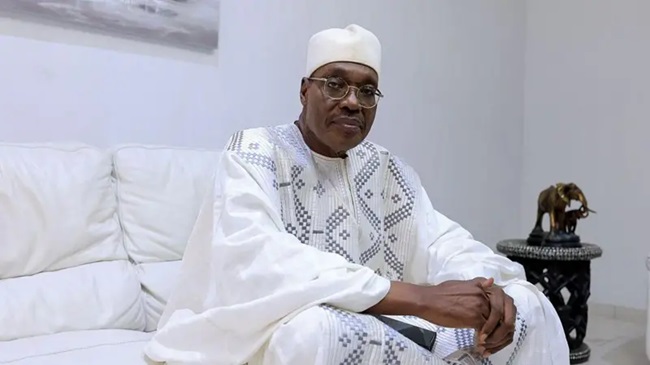
Issa Tchiroma “I Am President of 30 Million Cameroonians” 0
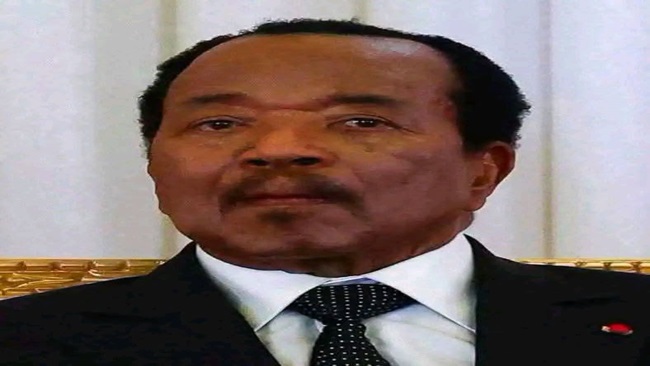
Opposition figure Issa Tchiroma Bakary has renewed his claim to Cameroon’s presidency, declaring that he will continue to fight to defend the “stolen” victory of the October 12, 2025 presidential election.
Speaking on a Southern Cameroons platform, Issa Tchiroma Bakary said he remained committed to the will expressed by Cameroonian voters and vowed to take whatever steps necessary to reclaim his electoral mandate. “Mr Biya’s time is over,” Tchiroma declared. “Any decision taken by Mr Biya is null and void.”
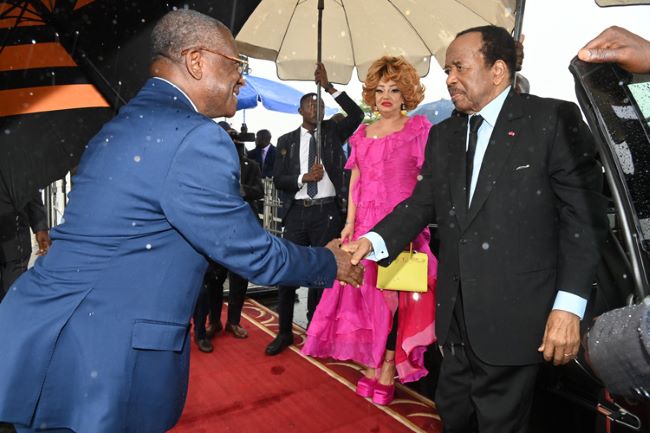
This is the latest challenge to President Paul Biya from the leader of the Cameroon National Salvation Front and comes amid continued political uncertainty surrounding the country’s leadership.
Tchiroma argued that Biya had “confiscated power” and accused the president of seeking to transform Cameroon into a monarchy by preparing the ground for his son to eventually succeed him. He also rejected any constitutional changes that could facilitate such a succession, describing them as illegal and warning that he would not recognise them.
The opposition leader further dismissed any attempt to install a successor to Biya without what he considers a legitimate electoral mandate. “Whosoever is appointed to take over from Biya, we will not accept. I am the president of 30 million Cameroonians,” he said.
Tchiroma, who is a former Minister under President Biya’s government, also sought to dispel concerns about his own health, insisting that he was in good condition. “Mr Biya should understand there is nothing God has created that will last forever,” he said.
Disputed Presidential Election
Tchiroma has continued to maintain that he won the 2025 presidential election and that the official declaration of Biya as winner did not reflect the actual choice of voters.
Biya was declared the winner of the October 12, 2025 presidential election, securing another seven-year mandate. The election was, however, followed by allegations of electoral irregularities and disputes over the results.
The post-election period was also marked by deadly protests and arrests, with opposition and independent sources reporting significant casualties and thousands of arrests. The authorities, however, maintained the legality of the electoral process and the official results.
Tchiroma’s renewed declaration comes against the backdrop of continuing uncertainty over Biya’s prolonged absence from Cameroon. Government spokesperson René Emmanuel Sadi recently insisted that Biya remains president and is expected to return to the country soon, rejecting calls for a declaration of a vacancy in the presidency.
Sadi argued that Cameroon’s Constitution clearly establishes the circumstances under which a vacancy can be declared, including death, resignation or permanent incapacity, and said none of those conditions had been formally established. The government has also maintained that state institutions continue to function normally despite the President’s absence.
Culled from PanAfricanvisions















11, August 2026
Iran Supreme Leader makes new appointments to top military posts 0
Leader of the Islamic Revolution Ayatollah Seyyed Mojtaba Hosseini Khamenei has made new appointments to six top military posts, including the head of the Islamic Revolution Guards Corps (IRGC).
In six separate decrees issued on Monday, Major General Ali Abdollahi was appointed Chief of Staff of the Armed Forces, with Brigadier General Kioumars Heidari as his deputy. Major General Ahmad Vahidi, promoted to the rank of Major General, was appointed commander-in-chief of the IRGC, with Major General Mostafa Izadi as his deputy.
Rear Admiral Ali Ozamaei was appointed IRGC Navy commander, and Hojjatoleslam Hossein Taeb was named head of the Basij Organization.
Gen. Abdollahi appointed Chief of Staff of the Armed Forces
In another decree, the Leader appointed Major General Ali Abdollahi as Chief of Staff of the Iranian Armed Forces, following the martyrdom of his predecessor, Major General Abdolrahim Mousavi, in a US-Israeli airstrike.
Ayatollah Khamenei said the appointment was made in view of Mousavi’s “glorious and honorable martyrdom” at the hands of the Zionist-American enemy and in appreciation of Abdollahi’s worthy services and valuable experience.