16, November 2018
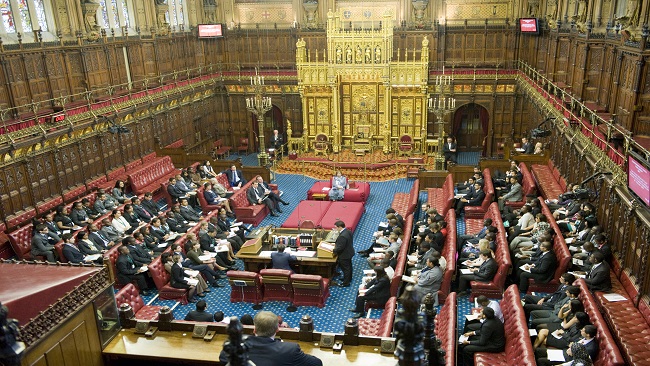
UK: May’s gov’t will not budge as House of Lords debate Ambazonia crisis 0
As violence in the former British colony, Cameroon, escalates, the UK government has again rejected calls to give diplomatic support to the English-speaking community.
After a House of Lords debate, initiated by Lord Boateng, representatives of Britain’s Cameroonian community expressed disappointment that the UK will not rally international pressure against the Francophone Cameroonian regime.
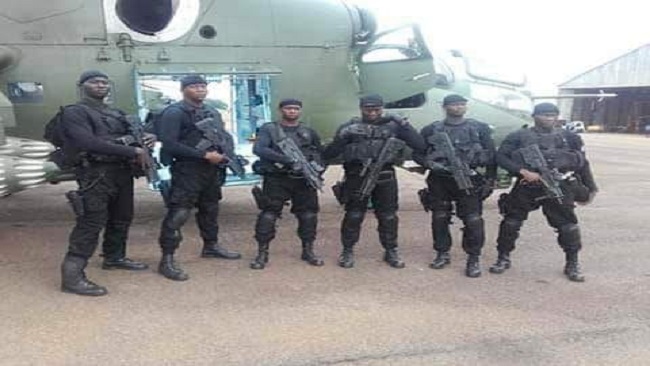
Despite a recent Amnesty report describing the Cameroon regime’s campaign of “arbitrary arrests, torture, unlawful killings and destruction of property” in the Anglophone region of the West African nation, the UK will go no further than urging all sides to seek dialogue. British Cameroonians told ICN they had been hoping Britain would give practical support to the Catholic bishops’ conference later this month.
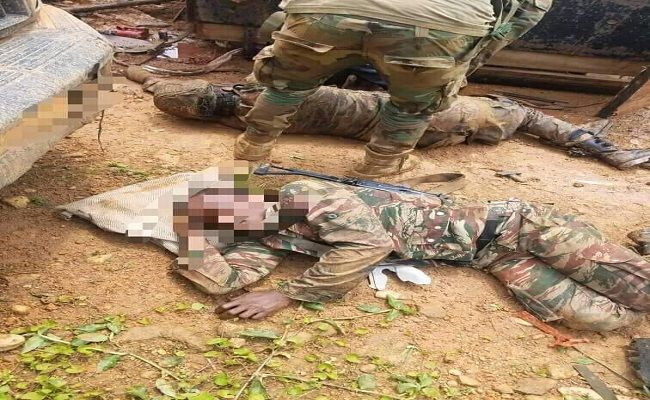
Since the violence began two years ago, almost half a million Anglophone Cameroonians have fled their homes, following attacks by government soldiers. The UNHCR reports that 26,000 have sought refuge in neighbouring Nigeria. According to Amnesty, 450 to 500 civilians and 185 members of the security services have been killed in the conflict. Meanwhile, UNICEF believes that 58 schools have been destroyed.
The Catholic bishops’ conference has described the regime’s actions as, “inhuman, blind, monstrous violence.”
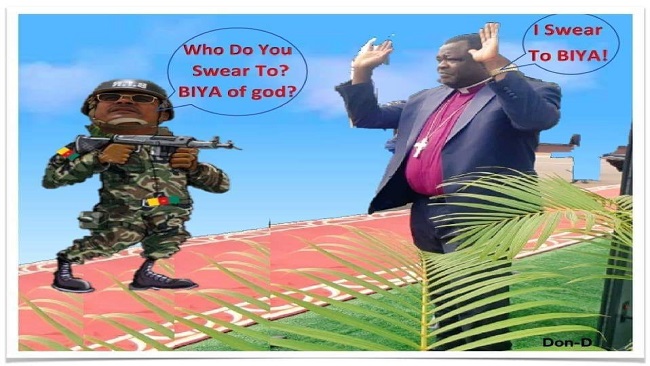
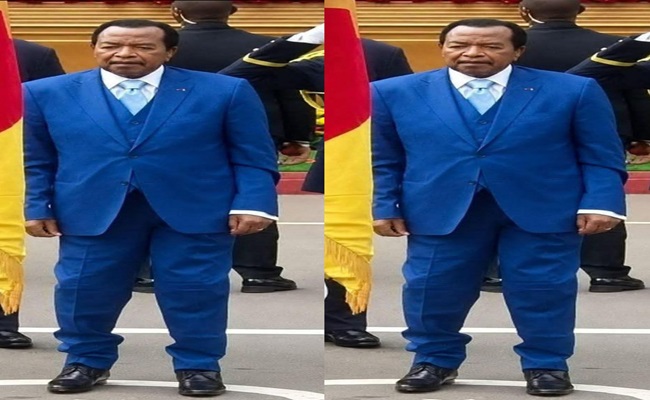
Last month, Cameroon held an election that was judged neither free nor fair by international standards. President Paul Biya, age 85, has been in power since 1982. Of the October election, Archbishop Samuel Kleda, the president of the bishops’ conference, said: “One has the impression election results are decided before voting takes place.”
Meanwhile, Biya’s main opponent has been arrested, and joins 47 other political leaders who are being held without charge.
On Wednesday evening, Lord Boateng, a former high commissioner to South Africa, told the House of Lords that the blame for the current conflict lay with Cameroon’s 1961 independence referendum. The British and French colonial powers gave the country’s English-speaking minority a choice between joining Nigeria or being absorbed by the French-speaking majority in Cameroon, rather than creating a separate Anglophone country. Since then, Boateng said, any constitutional protections for Anglophones, who make up 20% of the West African nation’s population, have been eroded.
Lord Alton told the House it was unsurprising that English speakers had objected two years ago when Francophone judges were imposed on Anglophone courts, dispensing laws they did not understand, and Francophone teachers took the place of English speakers in the Anglophone region’s schools. While condemning the violence of militant extremists, Alton said that government soldiers had responded to peaceful protests with disproportionate force.
“The International Crisis Group reports that a government helicopter hovered outside a church, shooting anglophone worshippers as they emerged from Mass,” he said.
Lord Alton urged the UK to reject the path of moral equivalence whereby it considers that both sides in the Cameroon conflict are as bad as each other. “We should not underestimate the influence that we have, but it speaks volumes that we left it to the American ambassador to express his disapproval of the Cameroonian Government’s brutal response to peaceful protests.”
Lord Judd urged the UK not to simply issue the usual calls for a cessation of violence and a negotiated settlement. He asked British ministers to give practical help to make inclusive and meaningful peace talks possible, which required diplomatic pressure to be put on the Cameroonian authorities. During the debate, several speakers noted that the UK should be working with France, its former colonial partner in Cameroon, to push the Francophone regime to seek a federal solution that would guarantee the rights of the Anglophone minority.
Lord Alton questioned how serious Britain was when it claimed to care about the democratic values and human rights desired by English speakers, led by the Catholic church. “There is nothing admirable about being even-handed in the face of the suffering of the anglophone community,” he said. “The United Kingdom should support the anglophone community’s peaceful civil society leaders in seeking genuine and inclusive talks. We need a targeted strategy for atrocity prevention and a commitment to bring to justice those responsible for human rights violations wherever they occur.”
Source: Independent Catholic News













17, November 2018
French Cameroun Politics: Ambazonian leaders denied bail 0
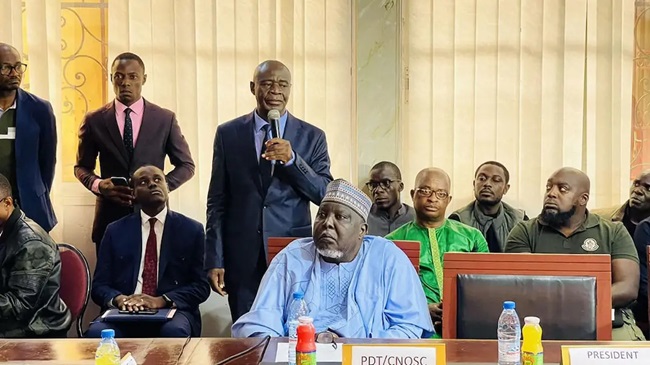
A court in Cameroon Thursday rejected an application for bail for some detained Anglophone separatist leaders who were seized in Nigeria and extradited to Yaoundé in January.
The Yaoundé Appeal Court confirmed an earlier verdict by the High Court rejecting a plea by defence lawyers that secessionist leader Julius Ayuk Tabe and his fellow defendants be granted bail.
Mr Fru John Nsoh, who led the defence team, said he was not surprised by the outcome of the brief hearing and promised they would petition the Supreme Court within 48 hours.
“The Appeal Court has confirmed the verdict that was issued by the High Court, meaning they have rejected our application. I was not surprised though, and we are going to file at the Supreme Court,” Mr Nsoh said.
Their loved ones
Some family members and friends of the detainees came to the hearing with hope that their loved ones would be set free.
“It has not been easy for the family. We are in tears everyday…,” a sister of one of the detainees stated, before bursting into tears.
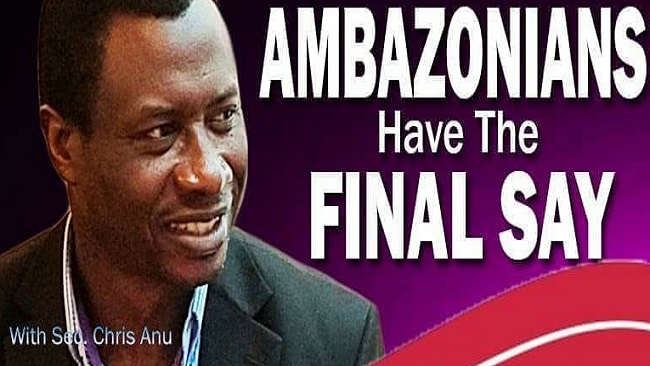
Mr Tabe, the president of a self-declared breakaway state of Ambazonia, and 46 other members of the secessionist movement, were held incommunicado in Yaoundé for 10 months before being granted access to lawyers recently, Mr Nsoh said.
Prior to their extradition, Mr Tabe and the co-accused had been “held in secret” at a hotel in Abuja, according to Amnesty International.
Public appearance
The human rights advocacy group said the activists were at risk of “unfair trial before a military court and the deeply disturbing possibility of torture” in Cameroon.
Thursday’s hearing was their second public appearance since they were extradited.
The suspects symbolically proclaimed the independence of the hypothetical of Ambazonia on October 1 last year.
Their subsequent deportation marked an escalation in the crisis that has rocked the two English speaking regions for nearly two years now.
Source: The East African