13, January 2018
African countries condemn Trump’s vulgar comments, urge him to apologize 0
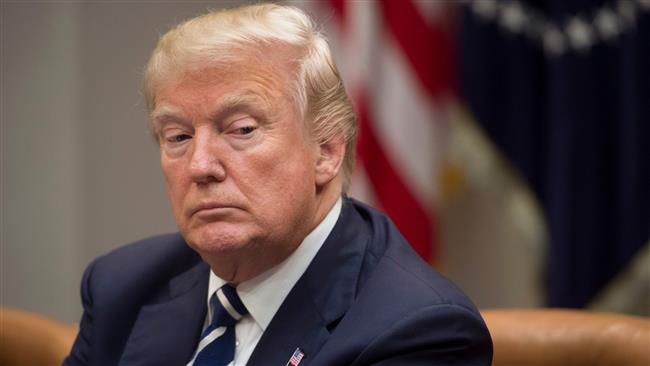
All African member states of the United Nations have blasted US President Donald Trump’s “outrageous” and “xenophobic” remarks about immigrants, calling on him to apologize for the vulgar comments.
In a statement issued on Friday, a group of 55 African countries demanded a “retraction and an apology” from Trump after the US president referred to countries such as El Salvador, Haiti and certain African nations as “shithole” countries.
The American head of state further urged lawmakers at a White House meeting to make efforts to stop immigrants from those countries entering the US, and instead accept immigrants from wealthy and overwhelmingly white countries such as Norway.
The African Group of UN ambassadors further said in the statement that it was “extremely appalled at, and strongly condemns the outrageous, racist and xenophobic remarks by the president of the United States of America as widely reported by the media.”
The group also stressed that it was “concerned at the continuing and growing trend from the US administration toward Africa and people of African descent to denigrate the continent and people of color.”
Angered by Trump’s comments, Jessie Duarte, the deputy secretary general of South Africa’s ruling African National Congress said, “Ours is not a shithole country and neither is Haiti or any other country in distress.”
“We would not deign to make comments as derogatory as that about any country that has any kind of socio-economic or other difficulties,” he said, adding that much like their African counterparts, millions of US citizens were affected by problems such as unemployment.
The United Nations also denounced the remarks made by the US president as “shocking,” “shameful,” and racist.”
During the 2016 presidential race, Trump campaigned for “a total and complete shutdown” of US borders on those he deemed as undesirable.
Last week, the Trump administration ended Temporary Protected Status (TPS) for more than 260,000 immigrants from El Salvador, forcing them to gradually leave the US.
The US president also angered Muslims worldwide by imposing travel ban on citizens of six Muslim-majority nations.














13, January 2018
Boko Haram: Nigeria, Cameroon military operation ongoing in North-East 0
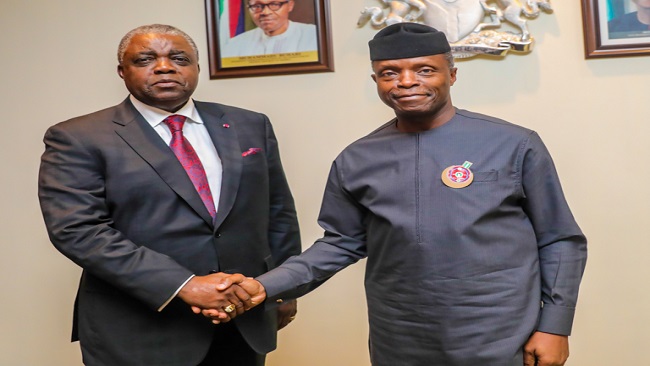
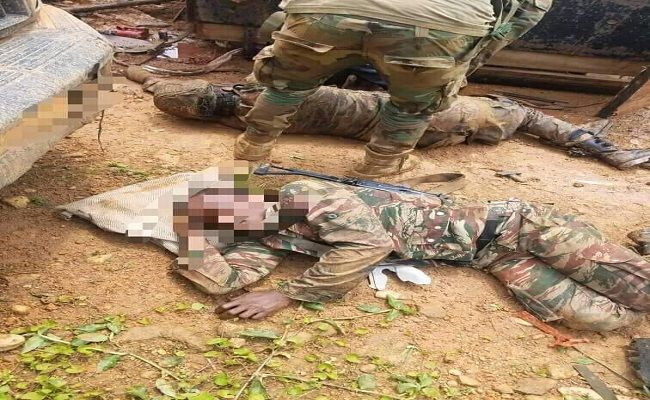
A joint military operation involving the armed forces of Nigeria and those of the Republic of Cameroon is currently going on in the North-East, the Minister of Defence, Mansur Dan-Ali ,has said.
Dan-Ali made the disclosure in an interview with newsmen after the Juma’at service at the National Mosque, Abuja, to mark the 2018 Armed Forces Day.
He said that the joint operation was aimed at flushing out remnants of the Boko Haram terrorists.
“In the North-East, I can say we have made great success. As I am talking to you, there is an operation going on between Nigeria and Cameroon,’’ the minister said.
He called on other neighbouring countries to collaborate with Nigeria in routing the insurgents.
The minister pledged the readiness of the military to continue to defend the territorial boundary of the country and in addressing internal security challenges.
Also, the Minister of Interior, retired Lt.-Gen. Abdulrahman Dambazau, said that government had put in place structures to address internal security challenges and was “re-enforcing those structures.’’
Earlier in a sermon, the Deputy Chief Imam of the National Mosque, Dr Mohammed Kabir, called for continued prayers and support for the military.
Kabir noted that the military had made sacrifices to defend the nation. He also said that while Jan. 15 was observed annually to remember the fallen heroes, serving members of the armed forces should be supported to ensure the security, peace and unity of the nation.
“They sacrifice their lives for this nation, it is our duty to show kindness to their families, it is our duty to support them; it is our duty to make sure that they live normal lives,’’ he said.
www.punchng.com