17, April 2022
WHO reports more than 3.5-fold increase in cholera cases in Cameroon 0
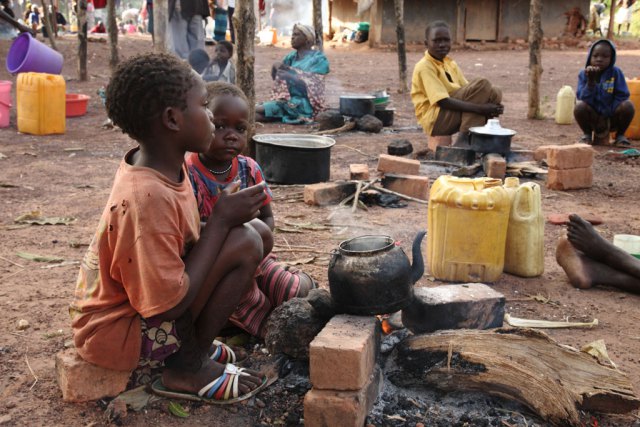
The cholera outbreak in Cameroon has escalated in recent weeks with a more than 3.5-fold increase between weeks 10 and 12 (ending 27 March 2022) and with further geographical spread to more regions, according to the World Health Organization (WHO).
Cameroon began experiencing increasing reports of cholera since 2021 and declared an outbreak in the last week of October 2021.
In the past five months, at total of 3,407 cases and 83 deaths (CFR 2.4%) have been reported. Currently, there are five regions with active outbreaks including Centre, Littoral, North, South, and South-West.
“Cholera has been moving from one district to the next, from maritime districts to the mainland districts,” says Dr Filbert Eko Eko, Public Health Delegate for South-West Region.
“The South West Region is one of the border regions to Nigeria and it’s also facing a humanitarian crises. Trans-border movement is so frequent, and it is difficult to control the movement of people between Nigeria and Cameroon. For this reason, it is also difficult to check their health status. If we could control the trans-border movement, it would be easier for us,” Dr Eko Eko says.
Poor healthcare seeking remains a challenge as many people prefer to get treatment from traditional healers due to the lack of transportation.
Dr Eko Eko says, “The cholera epidemic usually starts during the dry season, which is when there are problems with water. We need to provide potable water to the community. We also need to check their sanitary conditions, especially fecal disposal, while also ensuring that the water they drink is healthy enough.”
In 2021, only sporadic cases were reported for the majority of the year, but cases increased at the end of October (week 43 of 2021).
Source: Outbreaknewstoday












18, April 2022
“Ambazonia Revolutionary Guards are role model for the Southern Cameroons resistance” 0
A senior front line Southern Cameroons figure Professor Carlson Anyangwe has lauded the recent achievements of self defense groups in Ground Zero, emphasizing diaspora support for the people of Ambazonia.
Professor Carlson Anyangwe made the comments in a Saturday phone conversation with Isong Asu who heads the Cameroon Concord News London Bureau.
“We in faraway lands are following the great victories and achievements of all Ambazonia self defense groups and what they do is a cause of honour for the struggle” Professor Anyangwe told Cameroon Concord News. Anyangwe added, “Amba fighters are a role model for the Southern Cameroons quest for independence.”
“Southern Cameroonians in Ground Zero and self defense groups are in good shape and they will continue to defend the Ambazonia homeland” Professor Anyangwe opined.
Anyangwe’s phone call came amid escalation of French Cameroun violent attacks against Amba self defense forces. Since the beginning of the Covid-19 pandemic, Southern Cameroons has witnessed an escalation of French Cameroun violence, with over dozen Amba fighters having been killed and many more injured at the hands of Biya regime’s army soldiers.
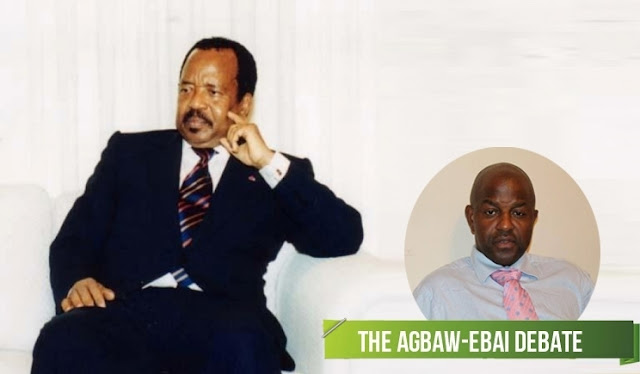
The uptick in the killings and repression of English speaking Cameroonians has been green-lit by the 89-year-old President Paul Biya, who granted full freedom of action to Cameroon government troops five years ago to intensify their brutal raids against Southern Cameroonians.
Elsewhere in his remarks, Professor Carlson Anyangwe said the French Cameroun violence against the people of Southern Cameroons will continue to destabilize the two Cameroons and beyond.
By Chi Prudence Asong